
Quick Answer
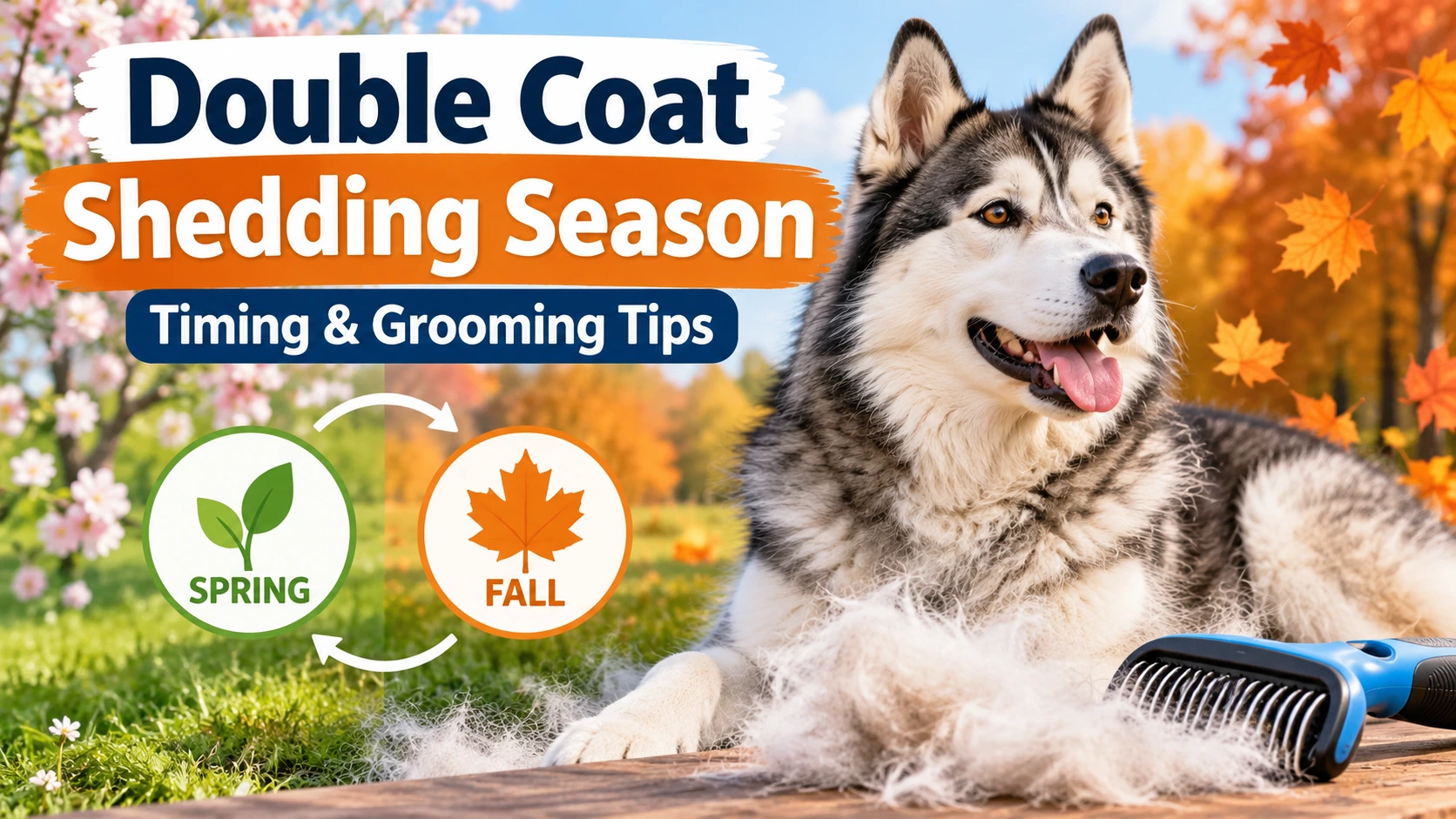
Double coat shedding season usually peaks in spring and fall, when dogs release substantial amounts of their soft undercoat. Breeds such as Huskies, German Shepherds, Golden Retrievers, and Corgis may shed heavily for several weeks. Gentle brushing, appropriate undercoat tools, and regular coat checks help manage loose fur without damaging the protective outer coat.
Finding fluffy clumps of dog hair on your floors, furniture, and clothes can be surprising, especially when your dog’s coat looks perfectly healthy.
For many double-coated dogs, this is simply a seasonal coat change. However, the timing, amount of hair, and grooming needs differ with breed, climate, and living conditions.
Understanding what happens during shedding season helps you recognize normal coat blowing, build a comfortable grooming routine, and identify changes that deserve veterinary attention.
When Is Double Coat Shedding Season?
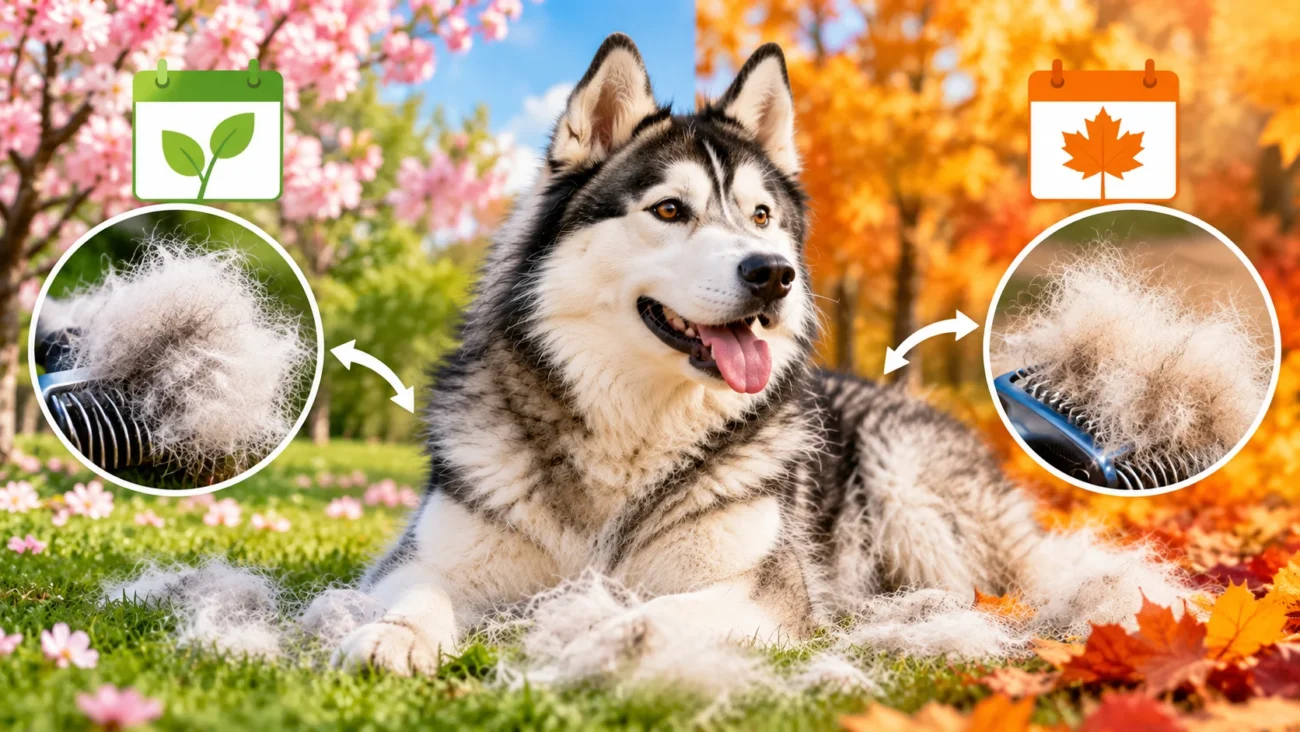
Double-coated dogs commonly experience their heaviest shedding during spring and fall. These seasonal changes allow the undercoat to adjust as daylight and environmental conditions change.
Spring: Releasing the Winter Undercoat
Spring is often the most noticeable shedding period. As the days become longer, many dogs begin releasing part of the dense undercoat that provided insulation during colder weather.
You may notice soft fur collecting in your brush, floating around the house, or loosening in visible tufts around the shoulders and hindquarters.
The exact starting month varies by climate and individual dog. A dog in a region with clearly defined seasons may show a different pattern from one living in a warm environment.
Fall: Preparing for a Seasonal Coat Change
Another shedding period commonly occurs during fall, when the coat transitions toward its colder-weather condition.
Although many dogs release noticeable amounts of hair during this period, the fall shed is not necessarily as dramatic as the spring shed.
Both periods are natural parts of coat maintenance rather than signs that the dog is losing its protective insulation permanently.
Why Do Double-Coated Dogs Shed So Much?
Double-coated dogs have two distinct layers of fur, and each performs a different function.
- Outer coat: Longer guard hairs help protect the skin from moisture, sunlight, debris, and environmental exposure.
- Undercoat: Shorter, softer hairs provide insulation and undergo noticeable seasonal changes.
During heavy shedding, much of the visible loose fur comes from the undercoat rather than the protective outer layer.
This is why a relatively short-haired Labrador Retriever can produce surprising amounts of loose fur, while a long-haired dog without a comparable undercoat may follow a different shedding pattern.
The American Kennel Club’s explanation of double-coated breeds describes how these coat layers work together to protect the dog.
What Does Blowing Coat Mean?
Blowing coat describes a period when a dog releases unusually large amounts of loose undercoat, often in noticeable tufts.
It can make an otherwise healthy dog appear to be shedding much more than usual.
Unlike gradual everyday shedding, a coat-blowing period can produce large quantities of hair within a relatively short time.
For a closer explanation of this process, see our guide to what blowing coat means for dogs.
How Long Does Double Coat Shedding Season Last?
A heavy seasonal shed often lasts several weeks, although there is no fixed duration that applies to every double-coated dog.
Some dogs release their loose undercoat relatively quickly. Others shed more gradually, making the seasonal transition less obvious.
Several conditions influence how long heavy shedding remains noticeable:
- Breed and coat density: Thick, plush undercoats can release large volumes of hair.
- Daylight exposure: Changes in day length help influence seasonal coat cycles.
- Climate: Mild or consistently warm environments may produce less distinct seasonal patterns.
- Indoor living: Artificial lighting and stable indoor temperatures may affect how clearly seasonal changes appear.
- Individual differences: Age, overall health, and natural hair-growth cycles influence shedding.
Do not assume that every dog should finish shedding within an exact number of days.
A more useful approach is to monitor your dog’s usual pattern, skin condition, and overall comfort.
Key Insight
Seasonal shedding and continuous shedding are not opposites. A double-coated dog can shed throughout the year and still experience much heavier undercoat loss during seasonal transitions.
Which Double-Coated Dogs Shed Heavily During Seasonal Changes?
Many northern, herding, sporting, and working breeds have substantial undercoats. However, hair length alone does not predict shedding intensity.
The following examples illustrate how coat characteristics can affect seasonal grooming needs.
| Breed | Coat Characteristic | Grooming Priority |
|---|---|---|
| Siberian Husky | Dense insulating undercoat | Removing released undercoat gently |
| German Shepherd | Dense coat with ongoing shedding | Consistent brushing throughout the year |
| Golden Retriever | Feathered outer coat and soft undercoat | Managing tangles and loose undercoat |
| Labrador Retriever | Short outer coat with dense undercoat | Collecting loose short hairs regularly |
| Pembroke Welsh Corgi | Compact, dense double coat | Frequent gentle brushing during peak shedding |
| Samoyed | Long, exceptionally dense coat | Section-by-section coat care and tangle checks |
These are typical grooming considerations, not precise predictions. Individual dogs of the same breed can have different shedding patterns.
How Can You Manage Double Coat Shedding Season at Home?
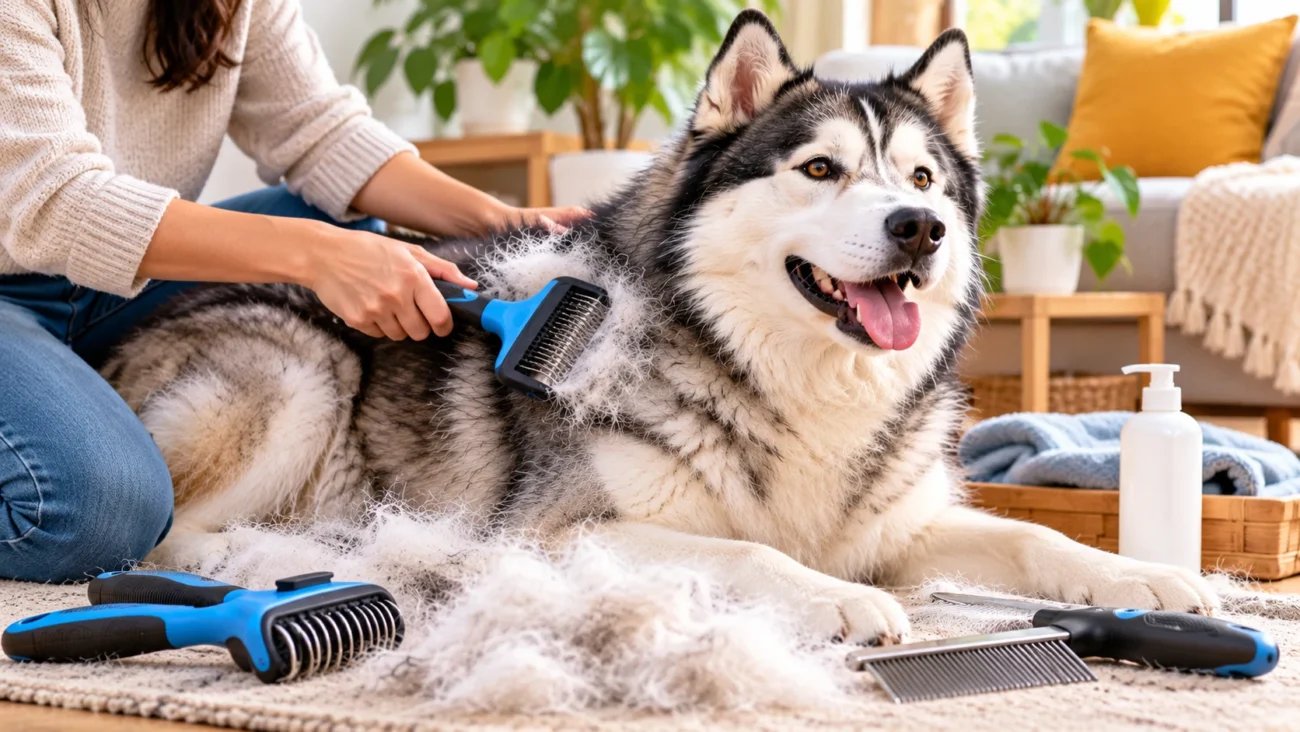
The most effective approach is a consistent grooming routine that removes loose undercoat while preserving healthy hair and skin.
Trying to remove every loose hair during one long session can cause unnecessary irritation.
1. Increase Gentle Brushing
During peak shedding, increase brushing frequency rather than brushing harder.
Short daily sessions may suit a heavily shedding dog, while others remain comfortable with several sessions per week.
Work in small sections, following the direction of hair growth. Pay particular attention to areas where loose undercoat accumulates.
2. Match Your Grooming Tools to the Coat
A slicker brush, suitable undercoat rake, and grooming comb serve different purposes.
- Slicker brush: Helps collect loose hair and separate minor tangles.
- Undercoat rake: Can reach released fur beneath dense outer hair.
- Steel comb: Helps identify remaining tangles, especially in longer coats.
- Grooming mitt: May be useful for lighter maintenance on compatible short coats.
Avoid excessive pressure, repeated scraping, or forceful pulling.
Our double coat deshedding guide explains the complete removal process and tool-selection precautions.
3. Bathe and Dry When Necessary
Bathing can help release some loose hair and remove accumulated dirt, but heavy shedding does not automatically mean your dog needs frequent baths.
Use a dog-appropriate shampoo, rinse thoroughly, and dry the coat carefully.
Dense undercoats may hold moisture even when the outer hair feels dry. If you cannot safely dry or separate the coat, a qualified groomer can help.
4. Keep the Home Manageable
Grooming controls loose hair on the dog, while a simple cleaning routine reduces the amount accumulating indoors.
- Vacuum high-traffic areas and upholstered furniture regularly.
- Wash washable dog bedding as needed.
- Use removable covers on frequently used furniture.
- Collect loose fur during brushing rather than letting it spread.
- Keep lint rollers or reusable hair-removal tools available.
The goal is manageable shedding, not a completely hair-free home.
Practical Tip
Keep grooming sessions short and comfortable. If your dog becomes restless or the brush begins catching, stop and reassess instead of trying to finish the entire coat at once.
How Often Should You Brush During Peak Shedding?
Many double-coated dogs benefit from brushing at least weekly during normal periods and more frequently when the undercoat begins releasing heavily.
During a strong seasonal shed, some dogs may tolerate daily light brushing.
However, daily brushing does not mean intensive daily use of sharp-edged deshedding tools.
A reasonable starting approach is:
- Light shedding: Maintain the dog’s normal brushing routine and check for loose fur.
- Moderate shedding: Add extra gentle sessions when the coat needs attention.
- Heavy coat blowing: Consider brief daily maintenance if the dog remains comfortable.
- Skin sensitivity: Reduce pressure and frequency, and investigate irritation.
Adjust the routine according to coat condition rather than following a rigid schedule.
For a more detailed explanation, see how often to deshed a dog safely.
How Do You Know If Seasonal Shedding Is Normal?
Normal seasonal shedding generally involves increased loose hair while the underlying skin remains healthy.
The distinction becomes important when shedding changes into actual hair loss or is accompanied by skin symptoms.
| Often Consistent With Normal Shedding | Reason to Seek Veterinary Advice |
|---|---|
| Loose, soft undercoat in tufts | New bald patches or marked thinning |
| Seasonal increase in loose fur | Sudden unusual hair loss |
| Skin without visible irritation | Redness, sores, crusts, or inflammation |
| Dog otherwise behaving normally | Persistent scratching, discomfort, or illness |
Hair loss can have causes unrelated to seasonal coat cycles, including parasites, allergies, skin infections, and certain medical conditions.
The veterinary guidance from VCA Animal Hospitals on dog coat care explains how coat condition can reflect general health.
If unusual shedding comes with concerning skin changes, avoid intensive deshedding until your veterinarian has assessed the problem.
Should You Shave a Double-Coated Dog During Shedding Season?
No. Shaving a healthy double-coated dog solely to control shedding is generally discouraged.
The outer coat protects the skin, while the undercoat contributes insulation. Removing both layers does not stop the normal hair-growth cycle.
Shaving may also expose the skin to sunlight and affect how the coat regrows.
There are exceptions, such as medical procedures or severe matting that cannot be managed safely without clipping. These situations require professional judgment.
For routine seasonal shedding, appropriate brushing and coat maintenance are preferable.
What Seasonal Shedding Mistakes Should You Avoid?
The most common grooming mistakes involve trying to speed up the natural shedding process through excessive force or unnecessary treatments.
- Overbrushing one area: Repeated strokes may irritate skin or damage hair.
- Using unsuitable tools: Poorly matched rakes or blades can snag the coat.
- Ignoring mats: Tight tangles can become painful when pulled.
- Bathing too frequently: Unnecessary washing may dry the skin, depending on the products and individual dog.
- Shaving for convenience: Cutting the coat does not stop shedding.
- Ignoring symptoms: Persistent itching or bald areas should not be dismissed as ordinary seasonal shedding.
The safest routine prioritizes your dog’s comfort and skin condition over the quantity of hair removed.
Related Grooming Product
Related Product
Safari Undercoat Rake for Dogs
An appropriately sized undercoat rake may help collect loose hair from dense double coats during seasonal shedding. Select the correct tooth length and use light pressure rather than force.
Find Safari Undercoat Rakes on Amazon
Affiliate disclosure: As an Amazon Associate, we may earn from qualifying purchases at no additional cost to you.
Frequently Asked Questions
1. Do indoor double-coated dogs still have shedding seasons?
Yes. Indoor double-coated dogs can still experience seasonal shedding. However, artificial lighting, stable temperatures, and individual coat cycles may make their shedding patterns less distinct.
2. Do double-coated puppies shed like adult dogs?
Not necessarily. Puppies undergo coat development as they mature, so their early shedding pattern may differ from that of an adult dog. The timing and appearance of the adult coat vary by breed.
3. Does seasonal shedding happen at the same time worldwide?
No. Seasonal coat changes depend partly on local daylight patterns and climate. Spring and fall occur at different times in the Northern and Southern Hemispheres, and tropical environments may produce less obvious seasonal changes.
4. Can diet affect double-coat shedding?
Nutrition supports healthy skin and hair growth, but a balanced diet does not eliminate normal seasonal shedding. Poor nutrition may contribute to coat problems. Ask a veterinarian about persistent coat deterioration before adding supplements.
5. Can a professional groomer stop seasonal shedding?
No. Professional grooming can remove substantial amounts of loose undercoat and make shedding easier to manage, but it cannot stop the natural coat cycle.
6. Does heavy seasonal shedding mean my dog is overheating?
No. Heavy shedding alone does not indicate overheating. Heat stress should be assessed using the dog’s behavior and physical symptoms, such as excessive panting, weakness, or collapse. Suspected heatstroke requires immediate veterinary attention.
Final Thoughts on Double Coat Shedding Season
Double coat shedding season is a natural process that helps many dogs adjust their coats throughout the year.
Spring and fall are common peak periods, but individual patterns depend on breed, climate, and living conditions.
Focus on gentle brushing, suitable grooming tools, healthy skin, and realistic expectations. Seasonal shedding cannot be eliminated, but a consistent, comfortable grooming routine can make it much easier to manage.


