

Can Dog Clippers Be Used on Wet Hair? Here’s What You Must Know

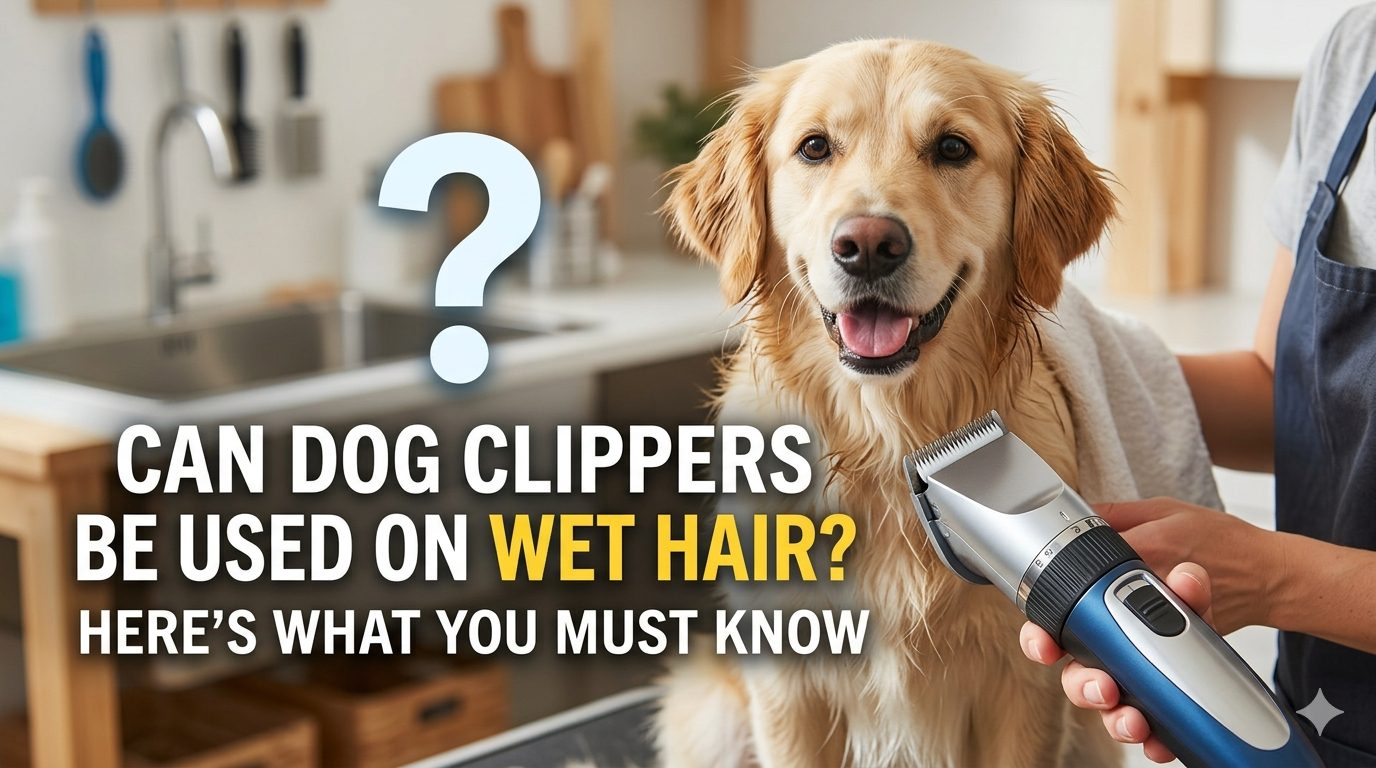
No, you should not use dog clippers on wet hair. Wet fur clogs the blades, causes painful pulling, and can damage your clippers. It also creates a risk of electric shock if you’re using a corded clipper. Always dry your dog fully before clipping. A blow dryer on a cool setting works best to prep the coat.
You just gave your dog a bath. They’re damp and their coat needs a trim. You wonder — can I just clip them now and get it done faster? I’m Ashraful, a dog grooming enthusiast who has made this exact mistake. Trust me, it doesn’t end well. Here’s everything you need to know before you pick up those clippers.
- Wet fur clogs clipper blades and causes painful tugging on your dog’s skin.
- Most standard dog clippers are not rated for use with water — corded ones are especially dangerous when wet.
- Wet hair sticks together, making it nearly impossible to get an even, clean cut.
- Blade rust and motor damage are common results of clipping a wet coat regularly.
- Always dry your dog fully — with a towel and a cool-setting dryer — before clipping.
What Happens When You Clip a Wet Dog?
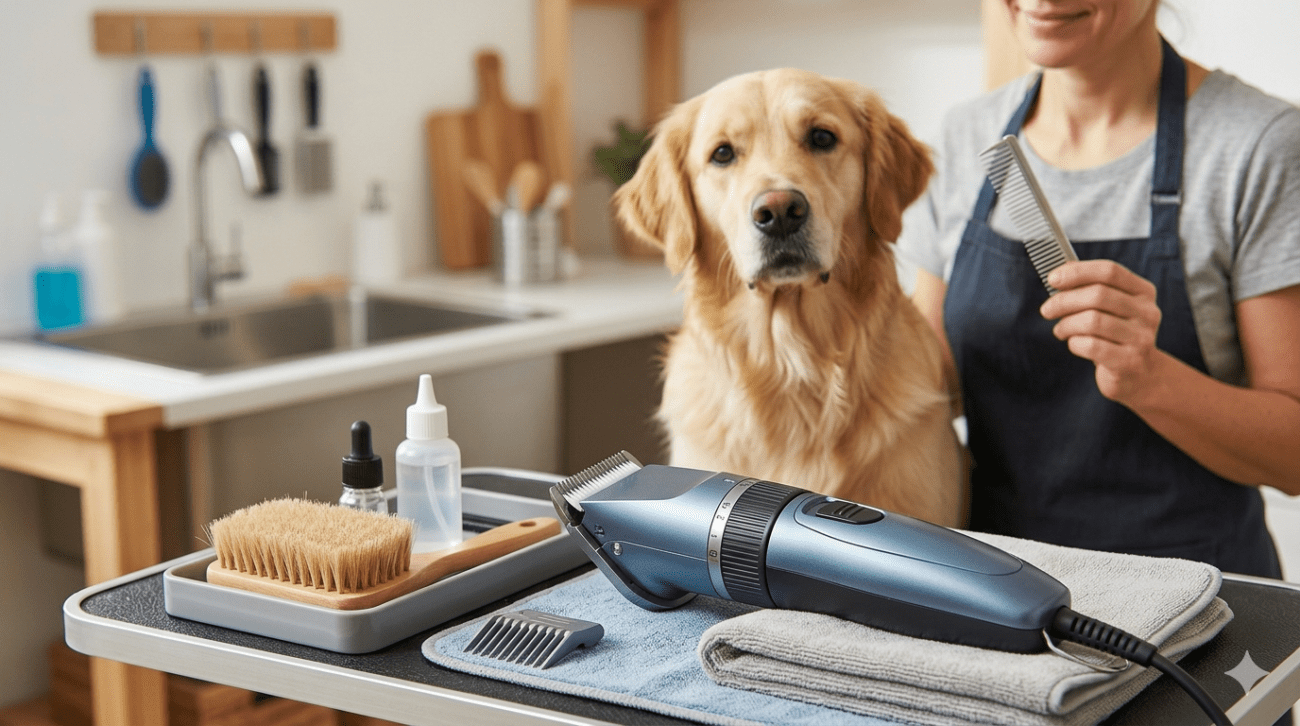
Wet fur behaves completely differently from dry fur. When hair is damp, it clumps together in tight bundles. Those bundles get caught between the clipper blades instead of passing through cleanly.
The result? The blades pull and twist the hair instead of cutting it. That’s painful for your dog. It’s the same feeling as someone yanking a chunk of your hair instead of cutting it smoothly.
Here’s what actually happens inside the clipper:
- Wet clumps jam the blade gap and stall the cutting motion.
- The motor works harder to push through the resistance.
- The blade heats up faster due to added friction.
- The result is an uneven, ragged cut — and a stressed, uncomfortable dog.
Never use a corded clipper on a wet dog. Water conducts electricity. A corded clipper near wet fur or wet skin is a genuine safety hazard for both you and your pet. Only cordless, waterproof-rated clippers should ever be used near moisture — and even then, most groomers recommend waiting until the coat is dry.
Does Clipping Wet Hair Damage Your Clippers?
Yes, it does — and the damage adds up fast. Moisture is one of the biggest enemies of clipper blades. When water gets between the blade teeth, it accelerates rust. Rust dulls the blade and causes more drag during the next grooming session.
Wet hair also traps debris inside the clipper body. That grit and hair paste coat the internal parts and stress the motor. Over time, the motor weakens and eventually burns out earlier than it should.
Wet clipping causes three types of damage:
- Blade dulling — moisture and friction wear down the cutting edge faster.
- Rust formation — water left on metal blades causes oxidation within hours.
- Motor strain — the extra resistance forces the motor to work at higher load.
According to professional grooming experts, blades used regularly on wet coats need sharpening much more frequently — sometimes every 6 weeks instead of every 6 months.
If you accidentally clip a damp dog, clean and dry the blades immediately after. Apply a few drops of clipper oil right away. This stops rust from forming and keeps the blade ready for next time.
Is There Any Situation Where Wet Clipping Is Done?
Here’s where it gets interesting. Professional groomers do sometimes clip wet coats — but only in very specific situations. It’s not something beginners should try at home.
The main use case is severely matted dogs. When a coat is completely pelted with tight mats close to the skin, wetting it can gently lift the mats away from the body. That makes it easier to slide a blade underneath without cutting the skin.
Wet clipping by professionals is used for:
- Severe matting that can’t be safely removed dry.
- Filthy coats where clipping dry would clog and damage the blades immediately.
- Keeping the skin cool during a full shave-down in hot weather.
Even in these cases, professionals use cordless clippers rated for wet environments. They also re-clip the coat after drying to get a clean, even finish. The wet clip is just the rough pass. A dry clip always follows.
Wet clipping is a niche professional technique used for matted or filthy coats. It requires waterproof cordless clippers, skill, and a follow-up dry clip. For home groomers, the rule is simple: always clip dry.
Wet Hair vs. Dry Hair: How They Affect the Clipper
| Factor | Wet Hair | Dry Hair |
|---|---|---|
| Blade performance | Clogs and drags | Glides cleanly |
| Cut quality | Uneven, ragged | Smooth and even |
| Dog comfort | Painful pulling | Comfortable |
| Blade lifespan | Shortened by rust | Extended with oiling |
| Motor load | High — overworks motor | Normal operating load |
| Safety risk | Shock risk with corded | No electrical risk |
How to Properly Prepare Your Dog Before Clipping
Getting the prep right makes everything easier. A clean, dry, brushed dog is the ideal starting point. Here’s the correct order of steps.
- Brush the coat thoroughly to remove all tangles and mats before the bath.
- Bathe your dog with a gentle, dog-safe shampoo and rinse fully.
- Towel dry as much moisture as possible right after the bath.
- Use a pet dryer on a cool or low setting to dry the coat completely.
- Brush again once dry to separate the fur and lift the coat for easier clipping.
- Check that the fur is fully dry — even at the skin level, not just on top.
- Then — and only then — begin clipping.
One thing beginners often miss: the coat can feel dry on the surface but still be damp near the skin. Press your fingers all the way down to the skin level. If it feels cool or slightly wet, wait longer.
What Type of Dog Clippers Work Best at Home?
Not all clippers are built the same. Choosing the right one matters a lot — especially for home groomers who want safe, consistent results.
Cordless vs. corded clippers: Cordless clippers give you more freedom of movement. They’re also safer because there’s no power cord near wet fur. Corded clippers offer constant power but should never be used in damp conditions. For most home groomers, cordless is the better choice.
Motor speed: Dog fur is much thicker and denser than human hair. You need a clipper with enough motor power to push through without stalling. Brands like Wahl, Andis, and oneisall are known for building motors specifically designed for pet coats.
Blade types: The blade number tells you how short the cut will be. A #10 blade leaves about 1.5mm of hair — good for sanitary trims. A #7 blade leaves 3–4mm — good for body clips. Always use a longer guard when you’re unsure.
If your dog has a double coat, look for clippers rated for heavy or thick coats. Standard pet clippers will struggle and overheat on a Husky or Golden Retriever undercoat. Choose a model specifically designed for thick fur.
Recommended Product for Home Dog Grooming
oneisall Dog Clippers for Grooming Thick/Heavy Coats, 4-in-1 Dog Grooming Kit Low Noise with Stainless Steel Blade, Cordless Dogs Paw Trimmer Pet Nail Grinder for Small & Large Dogs Cats Animals
This low-noise cordless kit is one of the best-selling dog grooming clippers on Amazon. It handles thick and heavy coats with ease, runs quietly to keep dogs calm, and the stainless steel blades stay sharp through long grooming sessions — all without a cord getting in your way.
Why Does Dog Skin Make This Even More Important?
Dog skin is thinner and more sensitive than human skin. A clipper burn — where a hot blade drags across skin — can happen in seconds. When you clip a wet dog, the blades heat up faster because of the extra friction from wet, clumped fur.
That combination of thin skin and overheated blades is a real problem. You could cause clipper burn or even a surface cut without realizing it until your dog yelps or you see redness afterward.
Dry fur allows the blade to glide smoothly. The heat stays manageable. The cut stays clean. According to the American Kennel Club, checking the blade temperature by touching the flat side against your wrist every few minutes is a good habit during any grooming session.
If the blade feels hot to the touch, stop immediately. Let it cool or switch to a spare blade. A blade that’s too hot can cause clipper burn — painful skin irritation that shows up as redness or small blisters on your dog’s coat line.
How to Keep Your Dog Calm During Grooming
A stressed dog makes grooming harder — and more dangerous. Even with perfect prep, a dog that won’t stay still creates risk of accidental nicks or bad cuts. Here’s how to set the mood right.
- Let your dog sniff and hear the clippers before turning them on. Let them get used to it.
- Turn the clippers on near your dog without touching them at first. Reward calm behavior with a treat.
- Start grooming on the back or sides — the least sensitive areas.
- Take breaks every 5–10 minutes on your first few sessions.
- Use a non-slip mat so your dog feels stable and secure.
- Save the face, paws, and ears for last — those are the most sensitive spots.
Brands like oneisall and Wahl make clippers with quieter motors specifically because noise anxiety is one of the biggest reasons dogs resist grooming. If your dog reacts badly to the sound, a quieter model can make a huge difference.
A tired dog is an easier dog to groom. Take them for a walk before the session. A post-exercise dog is calmer, more relaxed, and less likely to fidget. This one tip alone can completely change how your grooming sessions go.
How Often Should You Clip Your Dog’s Coat?
It depends on the breed and coat type. Most dogs with continuously growing hair — like Poodles, Doodles, Bichon Frises, and Schnauzers — need a trim every 6–8 weeks. Short-haired breeds may only need a light tidy-up every few months.
Double-coated breeds like Huskies, Golden Retrievers, and German Shepherds typically should not be shaved at all. Their double coat protects them from heat and cold. Brushing is far better than clipping for these breeds.
When in doubt, check with your veterinarian or a certified groomer about the right schedule and blade type for your dog’s specific coat.
Clipper Maintenance: Making Your Blades Last Longer
Good tools last longer when you treat them right. Grooming clippers are an investment. A little maintenance after each session keeps them sharp and safe.
- Oil the blade every 10–15 minutes during grooming and after each session.
- Brush out hair debris from the blade teeth after every use.
- Dry the blade completely if any moisture touched it during grooming.
- Store clippers in a dry case — not in a humid bathroom.
- Get blades sharpened when they start to pull or drag instead of cut cleanly.
Andis and Wahl both make clipper oil specifically designed for pet clipper blades. Using general machine oil or skipping oiling entirely will shorten blade life significantly. Professional groomers oil their blades every 10–15 minutes during a clip, not just after.
Keep a spare blade ready during long grooming sessions. When one blade gets hot, swap it out immediately. This lets the first blade cool while you keep working without burning your dog’s skin.
Conclusion
The answer is clear: don’t clip your dog when their coat is wet. It hurts your dog, ruins the cut, and damages your clippers. Always bathe first, dry fully, brush thoroughly, then clip. That order protects your dog, gives you better results, and makes your clippers last longer. I hope this helps you and your dog have a smoother, safer grooming experience at home. — Ashraful
Frequently Asked Questions
Can dog clippers be used on wet hair?
No, standard dog clippers should not be used on wet hair. Wet fur clogs the blades, causes painful pulling, and risks damage to the clipper motor. Always dry your dog completely before clipping. Corded clippers near wet fur also pose a serious electrical safety risk.
What happens if you clip a dog with wet fur?
The wet fur clumps together and gets trapped in the blade teeth, causing the clipper to pull and twist the hair instead of cutting it. This is painful for the dog and results in an uneven cut. It also accelerates blade dulling and rust formation.
How long should I wait after bathing my dog before clipping?
You should wait until the coat is completely dry — all the way down to the skin, not just the surface layer. Using a pet dryer on a cool setting can speed this up. For thick or double coats, this can take 30–60 minutes even with a dryer.
Do professional groomers ever clip wet dogs?
Yes, but only in specific situations — usually for severely matted coats or extremely dirty fur. They use cordless, waterproof-rated clippers and always follow up with a dry clip for a clean finish. This is not a technique recommended for home groomers.
Can wet dog fur damage clipper blades?
Yes. Moisture causes blades to rust faster and dulls the cutting edge more quickly. Repeated wet clipping significantly shortens blade life and increases the frequency of sharpening or replacement needed.
What’s the safest way to groom a dog at home?
Brush the coat before and after bathing, dry the fur completely, then clip with a cordless clipper designed for your dog’s coat type. Work in slow, even strokes following the direction of hair growth. Check the blade temperature regularly and stop if it feels hot.
Why do dog clippers overheat on wet fur?
Wet fur clumps together and creates more resistance against the blades. The motor works harder to push through, generating more heat. Combined with the extra friction from wet hair, the blade temperature rises faster than it does during normal dry grooming.
