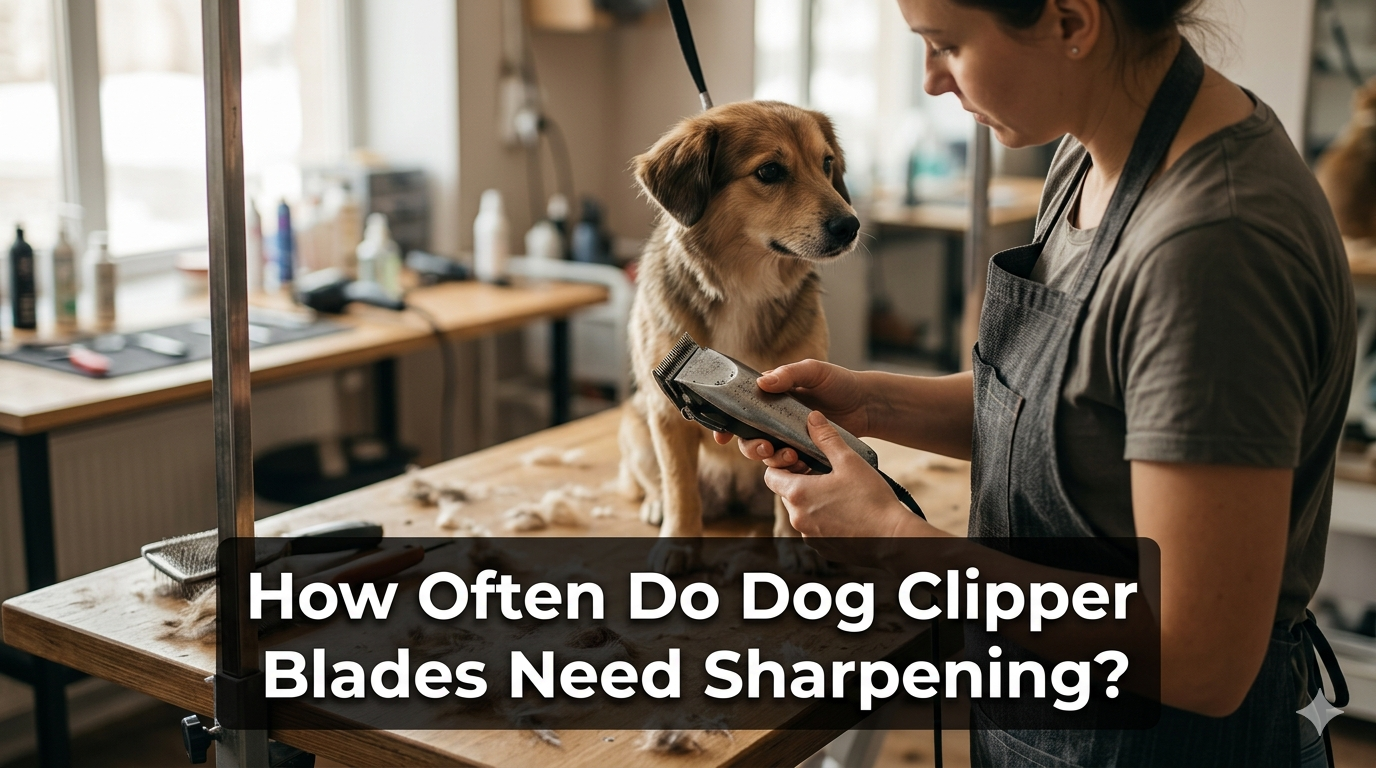
Dog clipper blades need sharpening every 4 to 6 weeks for professional groomers who use them daily. Home groomers typically sharpen blades every 3 to 6 months. How often depends on how frequently you groom, how dirty the coat is, and how well you maintain the blade after each use.
You sit down to groom your dog. The clippers drag. The hair pulls. Your dog squirms. Sound familiar? Dull blades are usually the problem — and most people wait too long to fix it.
I’m Ashraful, and I’ve spent years researching dog grooming tools. I know how frustrating it is to wrestle with clippers that just won’t cut cleanly. In this guide, you’ll find out exactly when to sharpen your blades, what warning signs to watch for, and how to get more life out of every blade you own.
Let’s start with what you need to know right now.
- Professional groomers sharpen blades every 4 to 6 weeks with daily use.
- Home groomers who clip one dog need sharpening every 3 to 6 months.
- Dirty, matted, or wet coats dull blades much faster than clean, dry coats.
- Signs of dull blades include pulling, dragging, uneven cuts, and extra heat.
- Regular oiling and cleaning after each session extends blade life significantly.
How Often Do Dog Clipper Blades Need Sharpening?
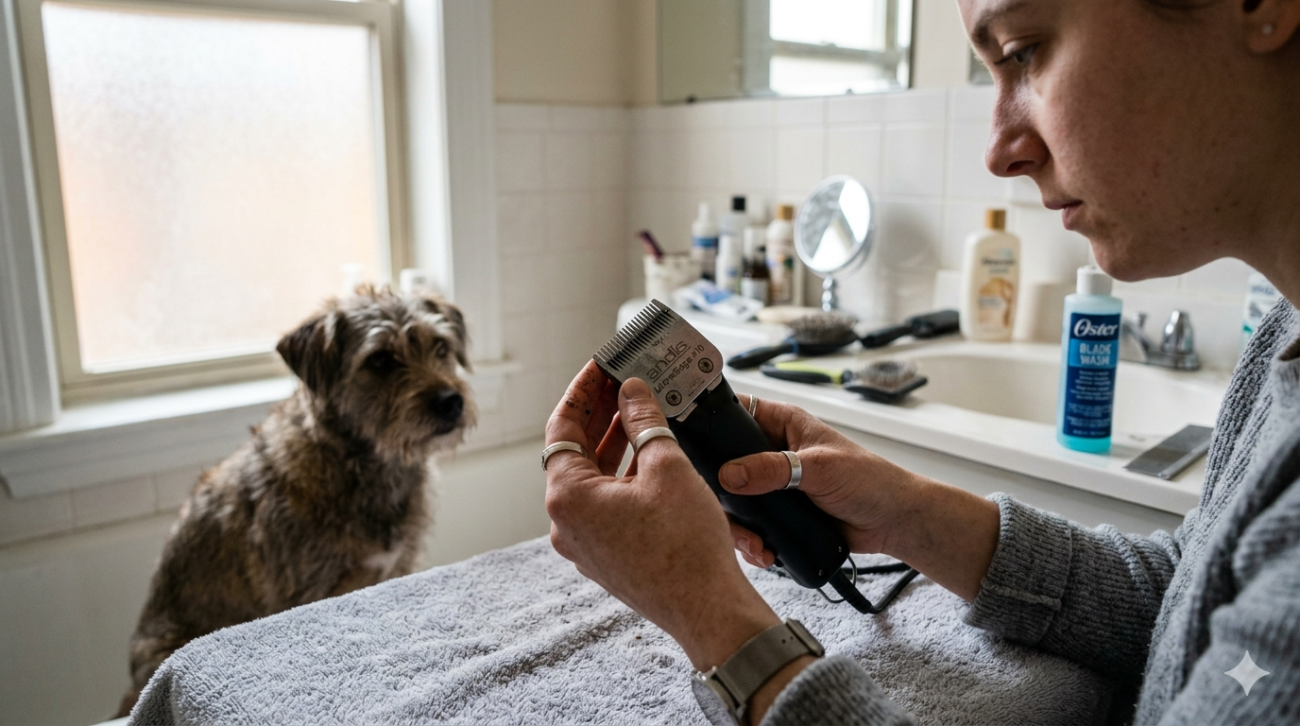
The honest answer is: it depends on how often you use them. There’s no single magic number that works for everyone. Frequency of use is the biggest factor.
Here’s a simple breakdown based on usage level:
| User Type | Usage Frequency | Sharpen Every |
|---|---|---|
| Professional groomer | Multiple dogs daily | 4 to 6 weeks |
| Regular home groomer | 1 to 2 dogs weekly | 3 to 4 months |
| Occasional home groomer | 1 dog every 6 weeks | 6 to 12 months |
| Paw/trim-only use | Small jobs only | 12+ months |
A professional groomer doing 25 full grooms per week will need sharpening far sooner than a pet owner clipping one dog every 6 weeks. That difference is massive.
What Factors Affect How Fast Clipper Blades Go Dull?
Usage frequency is just one part of the picture. Several other factors speed up or slow down how quickly a blade loses its edge.
Coat Cleanliness
Clipping a dirty coat is the number one cause of early blade dulling. Dirt, sand, and grime act like sandpaper on the blade’s cutting edge. Every stroke through a dirty coat removes tiny amounts of metal.
Always bathe and dry your dog before you clip. It makes a real difference. A clean, dry coat slides through the blade easily.
Never clip a wet or damp coat. Moisture causes rust between the blade teeth, which destroys the edge faster than dirt alone. Always dry thoroughly before grooming.
Coat Type and Texture
Coarser coats wear down blades much faster than fine, silky coats. Think Golden Retrievers, Huskies, and double-coated breeds. Their thick, dense fur is much harder on blade edges than a Maltese or Yorkshire Terrier coat.
Matted coats are especially damaging. A badly matted coat forces the blade to work against itself. One session on a heavily matted dog can dull a blade as fast as a month of normal use.
Blade Size and Cutting Style
A blade used for full-body cuts dulls faster than one used only for small trim jobs. Paw pad trims, ear edges, and face trimming put far less stress on a blade than a full-body shavedown.
Higher blade numbers (like #30 or #40) have finer teeth and tend to dull faster. Lower numbers like #7 or #10 hold their edge longer during heavy use.
Heat and Friction
Blades heat up during use. Heat causes the metal to expand slightly. This changes the blade geometry and accelerates wear. Hot blades dull faster than cool ones.
Using clipper spray coolant (like Andis Cool Care or Wahl’s Blade Ice) and oiling the blades during the session keeps them running at the right temperature.
Touch the blade every 10 minutes during grooming. If it feels hot to the touch, stop and let it cool down — or swap to a second blade. Running hot blades shortens their lifespan fast.
Oiling Habits
Oil reduces friction. Friction causes heat. Heat dulls blades. It’s that simple. Groomers who oil before every session and during long clips extend blade life significantly compared to those who skip this step.
Andis, Wahl, and Oster all recommend oiling before use, during use on longer sessions, and after every clip. Andis blade care guidelines specifically call for oiling at the start of every grooming session.
How Do You Know When Dog Clipper Blades Need Sharpening?
Don’t wait for the blades to completely stop cutting. By then, you’ve already put your dog through unnecessary discomfort. Watch for these early warning signs instead.
The Blade Pulls or Tugs the Hair
This is the most obvious sign. Sharp blades glide through hair cleanly. Dull blades drag and pull. If you notice your dog flinching, that’s a red flag.
Pulling hair instead of cutting it is uncomfortable and can create a fear of grooming that’s difficult to undo. Rebecca Morello, an IMDT-accredited dog trainer, notes that dogs hurt during grooming sessions can develop long-term anxiety around grooming equipment.
The Clippers Are Getting Too Hot, Too Fast
Dull blades need more passes to cut the same amount of hair. More passes mean more friction. More friction means more heat. If your blades are overheating faster than usual, dulling is likely the reason.
You Need Multiple Passes Over the Same Spot
Sharp blades cut clean in one pass. When you find yourself going over the same section three or four times to get a clean cut, the edge is gone.
Uneven or Choppy Results
Dull blades don’t cut uniformly. You’ll see lines, missed patches, and a rough finish even when your technique is solid. The blade itself is the problem, not your skill.
Unusual Grinding or Scraping Sounds
A sharp blade runs quietly. A dull blade may produce a grinding or scraping noise. That sound is the blade struggling to cut through hair rather than slicing cleanly through it.
Try the hair test. Hold a single strand of hair taut between two fingers. Touch the blade edge lightly against it. A sharp blade will slice through cleanly. A dull blade will bend or deflect the hair instead of cutting it.
Professional Groomer vs. Home Groomer: Sharpening Schedules Compared
The difference in sharpening frequency between pros and home groomers is dramatic. Here’s why.
Professional Grooming Salons
A busy grooming salon doing 25 dogs per week goes through a lot of blade wear fast. At that pace, a set of blades may handle over 400 full grooms before sharpening — but that happens in just a few months of operation.
Most professional groomers send a full set of blades to a sharpening service 2 to 3 times a year. High-volume shops may sharpen monthly. The key is to sharpen before performance drops — not after the blade has already failed.
Home Groomers with One Dog
If you groom one dog every 6 weeks, that blade sees maybe 8 to 10 full grooms per year. That’s very light use. With proper cleaning and oiling, once-a-year sharpening is often sufficient for home groomers.
The trick is to watch for signs of dullness rather than relying on a fixed schedule. A dog with a coarser coat will dull your blade faster than a fine-coated breed, even at the same grooming frequency.
Professionals sharpen every 4 to 6 weeks. Home groomers typically need sharpening every 3 to 6 months — sometimes just once a year for light use. Watch for performance signs rather than counting calendar days.
How to Make Dog Clipper Blades Stay Sharp Longer
Good blade habits can double — or even triple — the time between sharpenings. These steps are simple and take only minutes.
- Always groom a clean, dry, mat-free coat.
- Oil the blade with 2 to 3 drops of clipper oil before every use.
- Clean hair out from between the teeth during the session using a small brush.
- Apply coolant spray every 10 to 15 minutes if the blade feels warm.
- After grooming, dip the blade in cleaning solution and run the clippers for 10 seconds.
- Dry the blade thoroughly — never store it damp.
- Apply oil again after cleaning, before storing.
- Store blades in a case or on a dry surface away from moisture.
Use the Right Oil
Clipper oil is specifically formulated for the weight and viscosity blade mechanisms need. Don’t substitute household oils, WD-40, or cooking oil. Wrong oils can gum up the blade mechanism and accelerate corrosion. Andis, Wahl, and Oster all make clipper oil that works with any brand of blade.
Always Groom Clean Coats
This can’t be said enough. Bathing before clipping is one of the single best things you can do for blade longevity. Dirt is abrasive. Clean hair is not.
Never Force a Dull Blade
Pressing harder with a dull blade doesn’t help. It damages the blade further and creates more heat. When performance drops, stop and sharpen. Don’t push through a full groom on a blade that’s already failing.
How Many Times Can a Dog Clipper Blade Be Sharpened?
This is a question most pet owners don’t think to ask — until their blade comes back from sharpening and still doesn’t cut well.
A quality A5-style blade (the industry standard used by Andis, Wahl, and Oster) can typically be sharpened 8 to 10 times before the metal is too worn to restore properly. Each sharpening removes a small amount of metal from the cutting surface. Over time, there’s simply not enough metal left to hold a proper edge.
Smaller blades, like Wahl’s 5-in-1 adjustable blades, have less metal to begin with. They can handle fewer sharpenings — usually 3 to 5 before they need replacement.
The number also drops when blades are badly neglected or sharpened by unskilled technicians. A poor sharpening job removes more metal than necessary. Find a sharpener with experience in hollow-ground dog grooming blades. This is not the same technique as sharpening a kitchen knife.
Pro insight: The best time to sharpen blades is before they fail — not after. Bringing in a blade that’s only slightly dull means your sharpener removes less metal, which means more sharpenings per blade over its lifetime. Think of it like changing your car’s oil on schedule rather than waiting for the engine to knock.
Should You Sharpen or Replace Your Dog Clipper Blades?
Sometimes sharpening is the right move. Other times, replacement is smarter. Here’s how to decide.
Sharpen when:
- The blade cuts but feels slightly less sharp than usual.
- There’s no visible rust, chipping, or bent teeth.
- The blade is a quality A5 style with metal left on the cutting surface.
- The blade has been well-maintained between sessions.
Replace when:
- The blade has visible rust pitting that goes beyond surface level.
- Teeth are bent, broken, or missing.
- The blade has already been sharpened 8 to 10 times.
- Performance doesn’t improve after a professional sharpening.
- The blade was heavily used on dirty, matted, or coarse coats without proper care.
Replacement blades from trusted brands like Andis, Wahl, and Oster are affordable. At a certain point, a new blade outperforms a worn one — no matter how well it’s been sharpened. Wahl’s blade selection page is a good resource for finding compatible replacement options.
Ceramic vs. Steel Blades: Which Stays Sharp Longer?
You’ll see both ceramic and steel blades on the market. They behave differently when it comes to sharpening frequency.
| Feature | Steel Blades | Ceramic Blades |
|---|---|---|
| Heat resistance | Heats quickly | Stays cooler up to 5x longer |
| Edge retention | Good with proper care | Holds edge longer |
| Sharpening availability | Any blade sharpener | Requires specialist |
| Cost | Lower upfront | Higher upfront |
| Sensitivity to dirt | Moderate | More sensitive — must use on clean coats |
Brands like Andis (with their CeramicEdge line) and Wahl both offer ceramic options. Ceramic blades run cooler and hold their edge longer, but they must only be used on clean, dry coats. Dirt and debris are more damaging to ceramic edges than to steel ones.
Not all sharpeners work on ceramic blades either — they require diamond-coated grinding equipment. Always ask your sharpening service if they handle ceramic before sending them in.
How to Sharpen Dog Clipper Blades at Home
Professional sharpening is the gold standard. But you can do a basic sharpening at home with whetstones if you have the patience and the right tools.
- Unplug the clippers and remove the blade safely.
- Use a small brush to clear all hair from the blade teeth.
- Soak two whetstones — a coarse 3000 to 4000 grit and a fine 8000 grit stone.
- Hold the blade flat against the coarse stone with even pressure.
- Slide the blade from one end of the stone to the other 10 to 15 times.
- Look for a uniform shiny surface on the blade edge.
- Repeat on the finer stone to polish the edge.
- Dry the blade with a soft cloth to remove metal filings.
- Apply 2 to 3 drops of clipper oil before reattaching.
- Test the blade on a strand of hair before starting a full groom.
Use diamond-coated stones if you have ceramic blades — standard whetstone material won’t cut through ceramic properly. For badly worn blades, home sharpening can only do so much. A professional hollow-ground sharpening service (like PetEdge blade sharpening, which has over 45 years of experience) will produce better results on heavily worn blades.
Dog grooming blades are hollow-ground — not flat-ground like kitchen knives. Using a flat grinding method removes the hollow and ruins the blade’s cutting geometry. This is why professional sharpeners use specialized rotating disc machines, not standard knife sharpeners.
Andis 12470 Premium Dog Clipper Blade Maintenance Kit — Brush, Oil, and Spray Cleaner
This kit from Andis covers everything you need to keep blades sharp longer between sharpenings — oil to reduce friction, cleaning spray to remove hair and residue, and a brush for daily maintenance. It’s the most practical starting point for any dog owner who wants to protect their blades.
Conclusion
Most home groomers need to sharpen blades every 3 to 6 months. Professionals using blades daily should plan for sharpening every 4 to 6 weeks. But the real key is to watch your blade’s performance — not just the calendar.
Clean the coat before you clip. Oil the blade before and after every session. Cool it down during long grooms. These three habits alone will dramatically extend how long your blades stay sharp.
And when sharpening time comes, either DIY with a whetstone kit or send them to a professional service. Your dog will feel the difference — and so will you.
I hope this guide by Ashraful helps you get the most out of every blade you own. Good luck with your next groom.
Frequently Asked Questions
How often should dog grooming blades be sharpened for home use?
Home groomers typically need to sharpen blades every 3 to 6 months. If you clip one dog every 6 weeks, once a year is often sufficient with proper blade care and maintenance after each use.
How do I know if my dog clipper blades are dull?
The clearest signs are pulling or tugging on the coat instead of cutting cleanly, the blade overheating faster than normal, and needing multiple passes over the same spot to get a clean result. Uneven cuts and grinding sounds are also common indicators.
Can I sharpen dog clipper blades myself at home?
Yes, you can sharpen them at home using a whetstone — a coarse 3000 to 4000 grit stone followed by a fine 8000 grit stone. For ceramic blades, use diamond-coated stones. For heavily worn blades, professional hollow-ground sharpening gives better results.
How many times can a dog clipper blade be sharpened before replacing?
A quality A5-style blade can typically be sharpened 8 to 10 times before there’s not enough metal left for a proper edge. Smaller 5-in-1 blades have less metal and usually last 3 to 5 sharpenings. Good maintenance and timely sharpening maximize the number of times a blade can be restored.
Does clipping a dirty dog dull blades faster?
Yes — clipping a dirty coat is the leading cause of premature blade dulling. Dirt and debris act like abrasive grit on the blade’s cutting edge. Always bathe and fully dry your dog before using clippers to protect your blades.
Do ceramic clipper blades need sharpening less often than steel?
Ceramic blades hold their edge longer and run cooler than steel blades, which means less frequent sharpening for the same amount of use. However, they are more sensitive to dirt and require a specialist with diamond-coated equipment to sharpen correctly.
What’s the best way to extend the life of dog clipper blades between sharpenings?
Always clip clean, dry coats. Apply 2 to 3 drops of clipper oil before every session and again after cleaning. Use a coolant spray during long grooming sessions to prevent overheating. Clean all hair from between the blade teeth after every use and store blades in a dry location.