Quick Answer
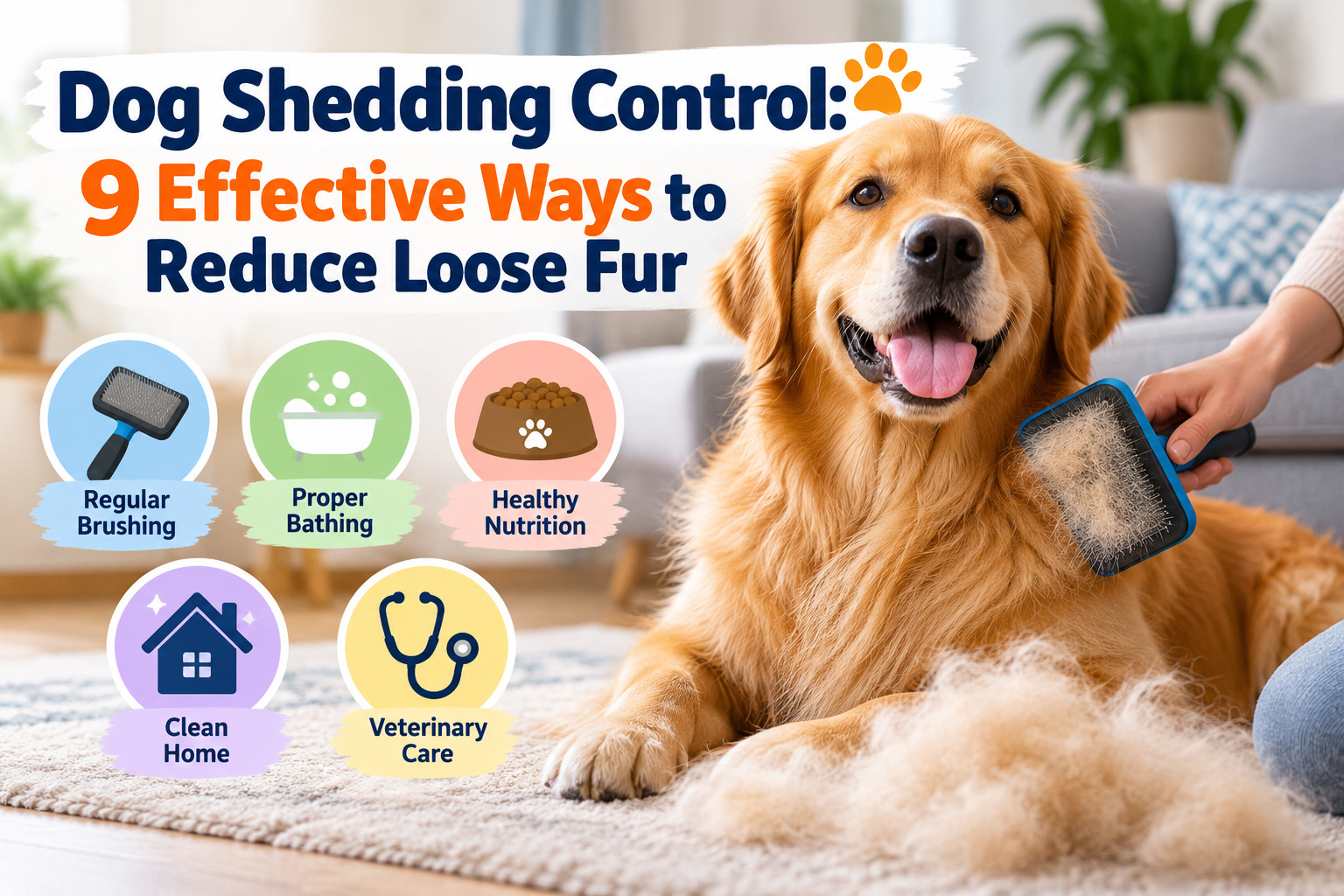
The best approach to dog shedding control is regular brushing, safe deshedding, appropriate bathing, and balanced nutrition. You cannot completely stop healthy dogs from shedding, but you can collect loose fur before it spreads throughout your home. Start with a coat-specific routine and follow a safe dog brushing guide to avoid skin irritation.
Best Ways to Control Dog Shedding
- Brush regularly: Remove loose fur before it lands on furniture and clothing.
- Choose suitable tools: Match brushes and deshedding tools to your dog’s coat.
- Bathe when needed: Use gentle dog shampoo and rinse thoroughly.
- Support healthy skin: Feed a complete diet and provide fresh water.
- Maintain your home: Vacuum frequently and wash washable pet bedding.
- Watch for warning signs: Consult a veterinarian about bald patches, itching, or sudden hair loss.
Important Safety Tip
- Avoid aggressive grooming: Repeated scraping and shaving double-coated dogs can damage their protective coats.
Dog hair on your clothes, couch, and floors can make cleaning feel endless. I’ve found that the most useful starting point is understanding why a dog’s coat releases so much fur.
In this 2026 guide, I’ll explain practical dog shedding control methods, safe grooming schedules, useful tools, and warning signs that deserve veterinary attention.
What Is Dog Shedding Control?
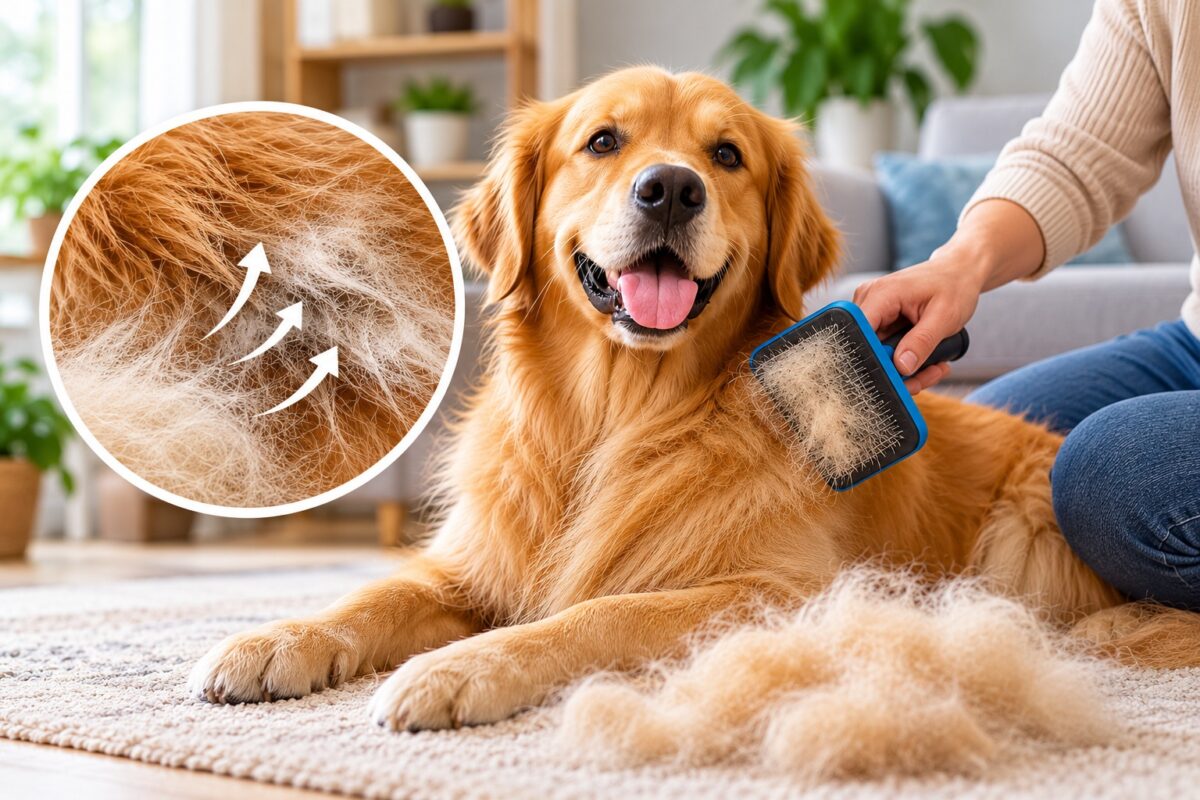
Dog shedding control means managing the loose hair a dog naturally releases through grooming, coat care, and household cleaning. The goal is to reduce accumulated fur without interfering with normal hair growth.
Shedding is part of the canine hair cycle. Older or damaged hairs release as the coat renews itself.
Effective shedding control focuses on three goals:
- Removing loose hair: Collecting fur before it falls around the home.
- Maintaining coat health: Supporting healthy skin and avoiding grooming damage.
- Reducing household buildup: Cleaning bedding, floors, and furniture consistently.
Deshedding is one part of this process. Learn more about what deshedding means for dogs before choosing specialized equipment.
Why Do Dogs Shed So Much Hair?
Dogs shed because their hair grows, rests, and eventually releases. Breed, genetics, coat type, seasonal changes, health, and living conditions influence how much fur you notice.
Some breeds release hair throughout the year. Others experience more dramatic seasonal coat changes.
Normal Seasonal Shedding
Dogs with double coats often shed more heavily when daylight and seasonal conditions change. This process can release substantial amounts of loose undercoat.
- Spring: Some dogs release a thicker winter undercoat.
- Fall: Seasonal coat changes may trigger another shedding period.
- Year-round: Indoor dogs may shed more consistently throughout the year.
German Shepherds, Golden Retrievers, and Siberian Huskies are familiar examples of heavy-shedding breeds. Their coat structure makes regular grooming especially important.
Shedding Related to Skin or Health Problems
Not every increase in hair loss is normal. Allergies, parasites, infections, poor nutrition, and hormonal conditions can affect a dog’s coat.
Unusual hair loss deserves attention when it appears alongside other symptoms.
- Bald patches or noticeable thinning
- Constant scratching, chewing, or licking
- Redness, scabs, or inflamed skin
- Unpleasant skin odor or excessive dandruff
- Sudden coat changes without an obvious seasonal explanation
Veterinary guidance from the American Kennel Club’s hair loss resource explains why abnormal hair loss can signal underlying health problems.
How Can You Control Dog Shedding at Home?
The most reliable dog shedding control routine combines several gentle methods. Start with the grooming steps that match your dog’s coat and comfort.
1. Brush Your Dog on a Consistent Schedule
Regular brushing is one of the simplest ways to collect loose hair. It also helps you identify tangles and changes in skin condition.
I recommend starting with short, comfortable sessions instead of trying to remove every loose hair at once.
- Short, smooth coats: Try a rubber curry brush or grooming mitt.
- Medium coats: Use a suitable bristle or slicker brush.
- Dense double coats: Combine gentle brushing with appropriate undercoat care.
- Long or curly coats: Brush and comb frequently enough to prevent tangles.
Work in small sections and use light pressure. Stop when your dog becomes uncomfortable or the skin looks irritated.
2. Use a Deshedding Tool for Suitable Coats
Deshedding tools help remove loose undercoat trapped beneath the outer fur. They can be especially useful for appropriate double-coated breeds.
However, not every dog needs a specialized shedding blade. Coat texture and skin sensitivity matter more than the amount of hair you want to remove.
- Check the coat for mats before starting.
- Use a tool designed for your dog’s coat type.
- Follow the direction of hair growth.
- Apply minimal pressure.
- Avoid repeated passes over the same spot.
- Stop if you notice discomfort or redness.
For a complete technique, follow this dog deshedding guide before your first intensive grooming session.
3. Bathe Your Dog When Necessary
Bathing helps remove dirt and loose fur. A gentle shampoo can support coat cleanliness without requiring aggressive brushing.
More baths do not automatically mean less shedding. Excessive shampooing can leave some dogs with dry, irritated skin.
- Choose a dog-specific shampoo suited to the skin.
- Use comfortably lukewarm water.
- Massage gently without scratching the skin.
- Rinse away shampoo completely.
- Dry the coat thoroughly and safely.
- Finish with gentle brushing when the coat is ready.
A specialized deshedding tool should generally be used on a fully dry coat when its instructions require that. Never drag it through wet tangles.
If you’re unsure about bathing frequency, read whether you can bathe a dog too often before increasing the schedule.
4. Feed a Complete and Balanced Diet
Healthy hair growth depends partly on proper nutrition. Dogs need appropriate protein, fats, vitamins, and minerals to maintain normal skin and coat function.
A poor or unbalanced diet may contribute to coat problems. However, changing food will not eliminate genetically normal shedding.
- Choose food appropriate for your dog’s life stage.
- Look for a complete and balanced diet.
- Provide clean drinking water daily.
- Avoid unnecessary dietary restrictions.
- Ask your veterinarian before adding coat supplements.
Omega-3 fatty acids may help certain dogs with specific skin concerns. Supplements are not a proven universal solution for normal shedding.
5. Avoid Shaving Double-Coated Dogs
Shaving a double-coated dog is not a reliable way to prevent shedding. It removes protective hair and can interfere with normal coat function.
Double coats contain an outer layer and a softer undercoat. These layers help protect the skin from environmental conditions.
- Outer coat: Helps protect against weather, debris, and sunlight.
- Undercoat: Provides insulation and contributes to seasonal shedding.
- Shaving risk: May disrupt coat regrowth and expose sensitive skin.
The AKC’s double-coated dog guidance recommends maintaining these coats through appropriate grooming rather than routine shaving.
Medical procedures and severe matting sometimes require clipping. Those decisions should involve a veterinarian or qualified groomer.
6. Maintain a Regular Grooming Routine
Consistent grooming usually works better than occasional aggressive deshedding. Your dog can become more comfortable with handling through short, predictable sessions.
I suggest separating ordinary brushing from intensive undercoat removal. This makes it easier to adjust each activity safely.
- Daily check: Look for tangles, skin changes, and unusual loose hair.
- Regular brushing: Follow a schedule suited to the coat.
- Targeted deshedding: Add occasional sessions when appropriate.
- Bathing: Wash according to skin condition and lifestyle.
- Professional care: Book help for difficult mats or coat maintenance.
Never use a pile of removed fur as the measure of a successful session. Healthy skin and a comfortable dog are more important.
7. Clean Pet Bedding and Furniture
Household cleaning cannot change how much hair your dog produces. It can prevent shed fur from accumulating around your living spaces.
Focus on locations where your dog regularly sleeps, rests, and plays.
- Vacuum high-traffic floors and rugs regularly.
- Wash machine-washable pet bedding according to its label.
- Use lint rollers on clothing and upholstery.
- Clean furniture with appropriate pet-hair tools.
- Maintain vacuum filters and attachments.
Washable furniture covers can simplify cleaning. Keep cleaning tools accessible so loose hair doesn’t build up between sessions.
8. Manage Seasonal Shedding Carefully
Seasonal shedding may require more frequent gentle brushing. Dense double coats can release considerable undercoat over several weeks.
Increase routine care gradually rather than using an aggressive deshedding edge every day.
- Brush more frequently when loose fur increases.
- Work on small coat sections.
- Use a coat-appropriate rake when necessary.
- Allow breaks during long grooming sessions.
- Watch closely for skin irritation.
When shedding slows, return to your regular schedule. See how often to deshed a dog for coat-specific guidance.
9. Get Veterinary Help for Abnormal Shedding
Unexpected hair loss should not be treated as an ordinary grooming problem. Veterinary assessment can help identify allergies, parasites, infections, or other medical causes.
Do not assume that buying a stronger brush will solve unusual shedding.
- Record when the hair loss started.
- Note itching, redness, or skin changes.
- Check whether hair loss is patchy or widespread.
- Tell your veterinarian about recent diet or medication changes.
- Follow prescribed treatment rather than experimenting with supplements.
Normal shedding management and medical treatment serve different purposes. Address underlying illness before attempting intensive grooming.
Which Dog Shedding Control Tool Works Best?
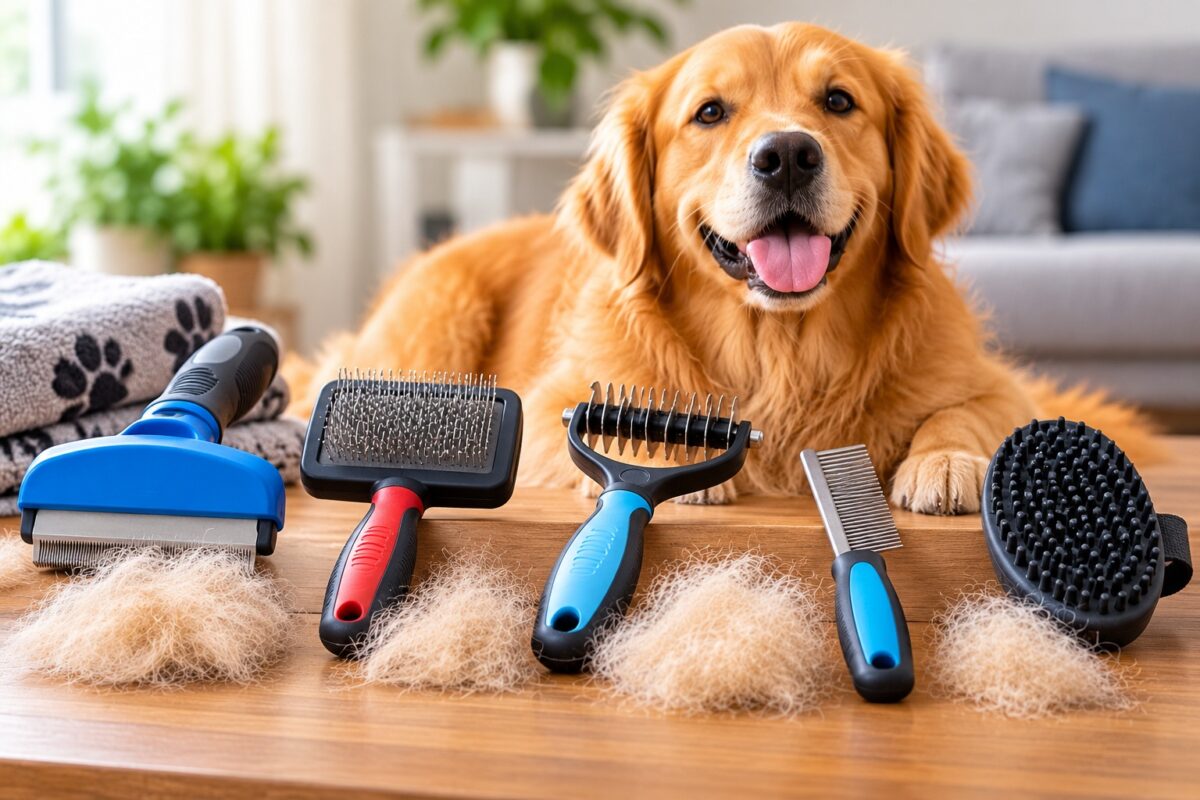
The best tool depends on coat length, density, and skin sensitivity. A rubber grooming brush may suit a short coat, while an undercoat rake may help a thick double coat.
Compare the following options before buying equipment.
| Grooming Tool | Best Suited For | Main Benefit | Important Caution |
|---|---|---|---|
| Rubber Curry Brush | Short, smooth coats | Collects loose surface fur | Avoid rubbing irritated skin |
| Slicker Brush | Many medium and long coats | Removes loose hair and manageable tangles | Avoid scraping with metal pins |
| Undercoat Rake | Thick double coats | Reaches loose undercoat | Do not force through mats |
| Deshedding Edge Tool | Suitable shedding coats | Removes released undercoat efficiently | Excessive use may irritate skin |
| Metal Grooming Comb | Long coats and finishing work | Checks for remaining tangles | Never pull tight knots |
No single brush is ideal for every breed. The American Kennel Club’s dog shedding management guide also emphasizes matching grooming tools to coat structure.
How Often Should You Brush a Shedding Dog?
Brushing frequency depends on coat type, shedding level, and the grooming tool. Many dogs benefit from one to three brushing sessions weekly, while some need daily gentle care.
Use this schedule as a practical starting point, not a strict medical rule.
| Coat Type | Starting Frequency | Suggested Tool |
|---|---|---|
| Short, smooth | 1–2 times weekly | Rubber curry brush |
| Short, dense double coat | 2–3 times weekly | Slicker or suitable undercoat tool |
| Long double coat | Several times weekly; often daily during heavy shedding | Slicker, rake, and comb |
| Curly or mat-prone | Frequent brushing and combing as needed | Appropriate slicker and comb |
These frequencies refer mainly to regular brushing. Specialized shedding edges may require less frequent use according to the manufacturer’s directions.
What Dog Shedding Control Mistakes Should You Avoid?
Common mistakes include overbrushing, choosing an unsuitable tool, and ignoring skin irritation. These problems can make grooming uncomfortable without improving shedding control.
- Using excessive pressure: Can scrape or irritate sensitive skin.
- Brushing through tight mats: May pull painfully on the skin.
- Shaving double coats unnecessarily: Can disrupt protective coat function.
- Bathing too frequently: May dry the skin and coat.
- Using human shampoo: May irritate canine skin.
- Ignoring unusual hair loss: Can delay veterinary diagnosis.
- Overusing shedding blades: May damage the coat or cause discomfort.
A gentle routine should leave your dog comfortable and the skin looking healthy. Stop grooming if the skin becomes red or your dog shows pain.
Can You Completely Stop a Dog From Shedding?
No, you cannot completely stop normal shedding in a healthy dog. Hair renewal is a natural biological process, even in breeds that release relatively little loose fur.
Deshedding removes existing loose hair rather than stopping future hair growth. Your dog will continue replacing older hairs over time.
- Realistic goal: Less loose hair around the house.
- Unrealistic goal: Permanently preventing normal shedding.
- Best approach: Consistent grooming, skin care, and cleaning.
Hair loss caused by illness may improve after appropriate veterinary treatment. That is different from controlling a healthy dog’s natural shedding cycle.
Best Dog Shedding Control Products to Consider
If you’re choosing grooming equipment, I would start with tools suited to your dog’s coat rather than purchasing several aggressive deshedding devices. These three options address different grooming needs.
Product suitability ratings below are editorial assessments, not verified customer-review averages or hands-on test results.
🏆 Best for Suitable Double Coats
FURminator Undercoat deShedding Tool for Dogs
★★★★☆ 4.5/5
Available in different dog-size and coat-length versions, this tool features a stainless-steel deshedding edge and hair-release button. I would consider it for a compatible shedding coat, with careful attention to pressure and manufacturer instructions.
🐕 Best for Routine Slicker Brushing
KONG Large Self-Cleaning Slicker Brush
★★★★☆ 4/5
This slicker brush is designed for medium-to-large dogs with medium-to-long coats and features a self-cleaning mechanism. I would shortlist it for regular loose-hair removal and manageable tangles, provided the pins suit the dog’s skin.
🐾 Best for Thick Undercoat Maintenance
FURminator Grooming Rake
★★★★☆ 4/5
The grooming rake has rotating metal teeth and an ergonomic nonslip handle for thick coats. I would consider it when loose undercoat needs attention, while avoiding force around mats or sensitive areas.
Affiliate disclosure: As an Amazon Associate, we may earn from qualifying purchases. This does not increase your purchase price.
Frequently Asked Questions About Dog Shedding Control
What is the fastest way to reduce dog shedding at home?
The fastest practical way to reduce visible loose hair is to brush your dog with a coat-appropriate tool and clean the areas where fur accumulates. Regular brushing removes hair before it reaches furniture. However, it cannot stop the underlying natural shedding cycle.
Does brushing every day help control dog shedding?
Gentle daily brushing may help some heavy-shedding or mat-prone dogs, particularly during seasonal changes. Other dogs need less frequent grooming. Avoid aggressive daily use of specialized deshedding edges, and reduce frequency if the skin becomes irritated.
Can dog shampoo stop shedding?
No shampoo can permanently stop normal shedding. A suitable dog shampoo can help wash away loose fur and maintain coat cleanliness. Frequent bathing or harsh shampoo may irritate the skin, so choose products and bathing schedules based on your dog’s individual needs.
Why is my dog shedding even after deshedding?
Deshedding removes loose hair already present in the coat, but new hairs continue to reach the shedding stage. Ongoing shedding is therefore normal. Maintain a consistent grooming routine and consult a veterinarian if hair loss suddenly increases or causes bald patches.
When should I worry about excessive dog shedding?
Contact your veterinarian if shedding suddenly changes or appears with bald spots, persistent itching, redness, sores, or unusual skin odor. These symptoms may indicate parasites, allergies, infections, or medical conditions that grooming alone cannot treat.
Final Takeaway: Build a Safe Dog Shedding Control Routine
Dog shedding control works best when you combine regular brushing, suitable grooming tools, balanced nutrition, and consistent household cleaning. Your goal is to manage loose hair while protecting the skin and coat.
Start with a gentle routine and adjust it according to your dog’s needs. If shedding becomes unusual, seek veterinary guidance instead of increasing grooming pressure.
Make your next grooming session simple: Choose one suitable brush, work in small sections, reward your dog, and maintain a consistent schedule. Small, comfortable sessions can make shedding easier to manage over time.