Quick Answer
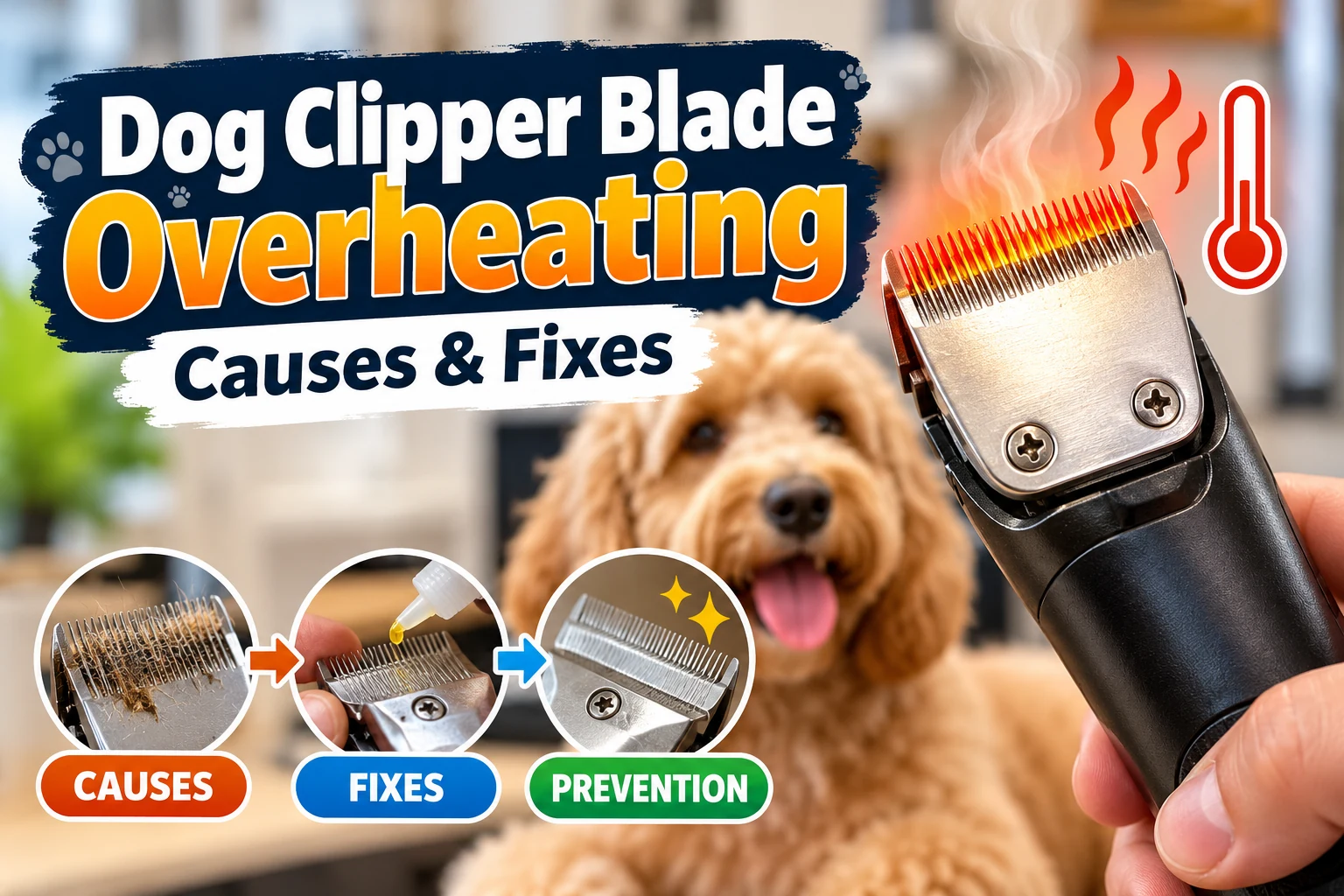
Dog clipper blades overheat mainly because moving metal cutting surfaces generate friction. Missing oil, trapped hair, dirty coats, and worn or misadjusted blades can make the problem worse. Stop clipping immediately if a blade becomes uncomfortably warm, let it cool, clean and lubricate it according to the manual, and test its temperature before touching your dog again.
A warm dog clipper blade is not automatically defective. Its moving cutter slides rapidly across a stationary blade, producing heat as it works. The danger begins when that heat becomes uncomfortable against a dog’s skin—especially during a close trim or a long grooming session.
Fortunately, most routine overheating problems can be investigated without taking the clipper apart. Start with temperature and cleanliness, then check oiling, coat preparation, blade condition, and the clipper itself.
What Should You Do Immediately When a Clipper Blade Gets Hot?
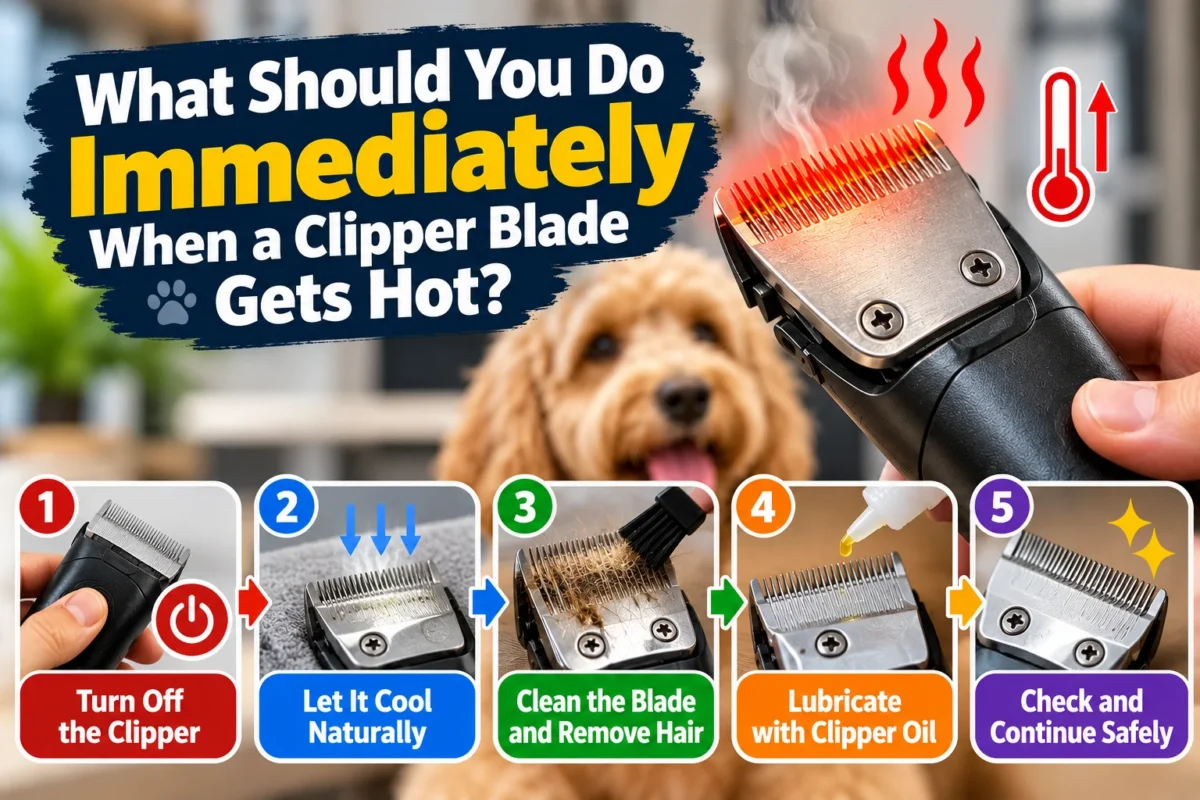
Stop clipping and take the hot blade away from the dog. Do not try to finish a difficult section quickly, and do not assume a blade is safe because the clipper motor still sounds normal.
- Switch off the clipper. Unplug a corded model before removing or cleaning its blade; follow the maker’s instructions for cordless models.
- Allow the blade to cool. If the model takes detachable blades, exchange the hot blade for a compatible, already-cool blade. Handle hot metal carefully.
- Remove loose hair. Brush accumulated coat particles from the teeth and accessible blade areas with the tool switched off.
- Lubricate correctly. Apply the clipper manufacturer’s specified blade oil in the locations and amount indicated by its instructions.
- Recheck temperature before resuming. Test the blade on your own skin away from the cutting teeth; if it feels uncomfortable, it is not ready to contact the dog.
Temperature checks should continue throughout grooming, not just after a problem occurs. A blade can warm again even after a successful pause.
Safety warning
Never press a hot blade against a dog’s skin, apply ice or water to an electrically connected clipper, or spray coolant directly on the animal. If the skin appears burned, stop the grooming session and contact a veterinarian.
Why Do Dog Clipper Blades Overheat?
The central cause is friction, but several maintenance and grooming conditions influence how quickly heat accumulates. Understanding which condition applies helps prevent repeated overheating.
1. The blade has too little oil
Oil creates a thin lubricating film between moving surfaces. Without enough of it, resistance increases and the blade can become hotter while cutting less effectively. The Wahl blade troubleshooting guide specifically identifies insufficient oil and friction as causes of heat and cutting problems.
A blade may need more oil during an extended session even if it was oiled at the start. Use purpose-made blade oil, not household cooking oil or an unspecified substitute.
2. Hair, debris, or dried residue is trapped
Small pieces of cut hair collect between teeth and around the moving cutter. Dirt and residue may interfere with smooth movement and reduce cutting efficiency. Brushing out buildup during grooming is an easy first check.
Look beyond the front teeth if the maker permits access. A blade can appear clean on the outside while hair remains lodged behind the cutting edge.
3. The blade is dull, damaged, or incorrectly tensioned
A worn cutting edge may snag hair rather than cut it smoothly. Some blade assemblies also rely on a spring or tension mechanism; excessive tension can increase resistance and heat. Do not randomly tighten screws to solve a cutting problem.
If a cleaned and oiled blade still pulls or heats unusually quickly, ask a qualified blade technician about sharpening or replacement. Bent, broken, or chipped teeth call for replacement rather than continued use.
4. The coat is dirty, tangled, or difficult to clip
Sand, grease, and trapped debris on the coat can contaminate the cutting surfaces. Dense or matted hair can also make clipping harder. Groom a clean, completely dry, appropriately brushed coat whenever the dog’s condition allows.
Do not force a blade through tight mats or repeatedly scrape the skin trying to reach underneath them. Severe matting is a good reason to use a professional groomer.
5. The clipper has been running continuously
Even a sharp, lubricated blade produces some frictional heat. Extended operation increases the opportunity for that heat to accumulate. Brief checks and breaks are more dependable than assuming a particular blade or motor stays cool indefinitely.
Higher-speed settings may change operating conditions, but speed alone cannot diagnose the cause. Compare the behavior with the manufacturer’s model-specific recommendations rather than treating the lowest speed as a guaranteed cure.
How Can You Find the Actual Cause?
Follow this troubleshooting order instead of immediately replacing the clipper. The first checks address common, inexpensive maintenance issues; later checks help identify parts that may need service.
| What you notice | Likely area to check | Next action |
|---|---|---|
| Blade feels hot and dry | Lubrication | Cool, clean, oil correctly |
| Hair catches or pulls | Debris, dullness, blade setup | Clean; seek blade service if persistent |
| Only one detachable blade overheats quickly | That blade’s condition | Inspect or replace that blade |
| Clipper housing also becomes unusually hot | Ventilation or internal fault | Stop use; inspect permitted air vents; seek service |
These are diagnostic clues, not definitive tests. For instance, one hot blade may have a dull edge, a contaminated surface, or a fit problem; the observation alone cannot distinguish them.
How Do You Clean and Oil Blades Without Creating Another Problem?
Cleaning and oiling are separate tasks: cleaning removes contamination, while oil reduces friction. A disinfectant or cooling spray is not automatically a complete replacement for blade oil.
- Power off and disconnect the clipper as its manual directs. Let hot parts cool before handling them.
- Brush away loose hair using the supplied blade brush or another manufacturer-approved soft brush.
- Clean or disinfect with a product and method approved for that blade. Do not soak an electrical clipper body, and do not assume every removable blade is water-safe.
- Dry the blade fully according to the instructions before reattaching it or applying oil.
- Place a few drops of the specified blade oil where the manufacturer directs. Different blade designs can require different placement.
- Run the clipper briefly if directed to distribute oil, then switch it off and wipe away excess so oil does not transfer to the coat.
The Wahl cleaning and hygiene guide recommends removing debris, allowing cleaned components to dry, and reapplying oil after cleaning and as needed during clipping.
Practical tip
Keep a blade brush, the correct clipper oil, and a clean cloth within reach before grooming starts. Maintenance is easier to perform promptly when these items are already available.
Will Cooling Spray Stop Dog Clipper Blade Overheating?
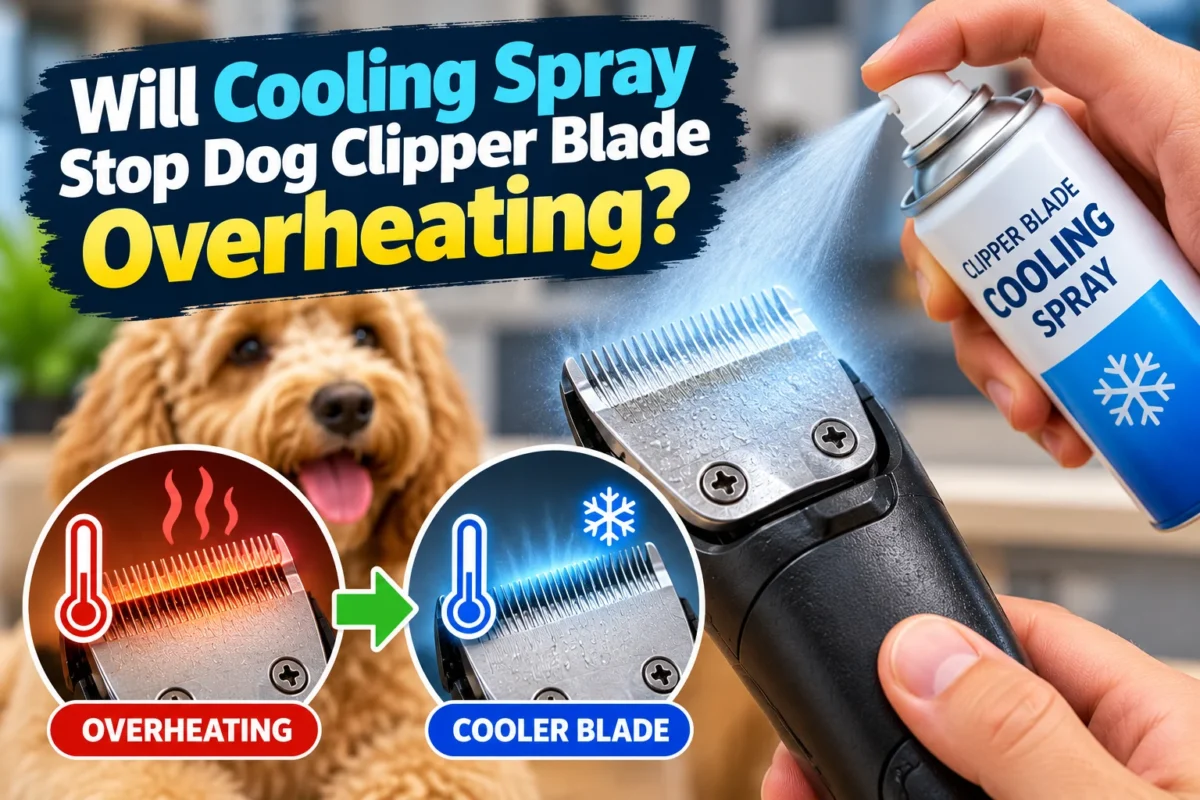
An appropriate blade coolant can help reduce temperature temporarily, but it cannot correct dull teeth, trapped debris, incorrect tension, or a failing motor. It also should not be assumed to provide enough lasting lubrication.
Some makers sell multi-purpose sprays that cool, clean, or lubricate, but the instructions for the particular formula matter. Never mix products casually or spray onto the dog. Let the blade become comfortable to touch and follow the maker’s lubrication directions before returning to the coat.
If overheating resumes soon after coolant use, stop and investigate the underlying cause rather than repeatedly spraying and continuing. Frequent cooling may be appropriate during long sessions, but persistent abnormal heat is a maintenance signal.
How Can You Prevent Clipper Burns While Grooming?
A clipper burn may involve thermal irritation from a hot blade or skin irritation from excessively close clipping, friction, and repeated passes. These are not identical problems, even though both can leave skin red and uncomfortable.
- Check the blade often. Test temperature away from the teeth before working on delicate regions, including the belly, groin, armpits, and ears.
- Keep the blade moving gently. Do not hold running cutters against one spot or push them firmly into the skin.
- Prepare the coat. Remove loose tangles and ensure hair is clean and dry before routine clipping.
- Take breaks. Let both the clipper and dog rest if grooming becomes prolonged or stressful.
- Choose the correct setup. Use a blade or compatible guide comb suited to the coat and the area being groomed; do not improvise extremely close cuts.
- Watch the dog’s response. Sudden flinching, pulling away, or sensitivity is a reason to stop and inspect.
If redness, pain, blistering, or broken skin develops, end the session. Avoid applying alcohol, essential oils, or human burn medications without veterinary guidance. Seek prompt veterinary advice for suspected burns, especially if there is blistering or persistent pain.
When Should You Replace the Blade or Service the Clipper?
Replacement becomes reasonable when a blade has chipped teeth, corrosion, deformation, or persistent snagging despite correct maintenance. Sharpening may be possible for certain metal blade designs, while other blade units are better replaced.
Service the clipper itself if unusual heat appears in the housing, the motor smells scorched, operation becomes erratic, or the machine makes abnormal grinding noises. Stop using a device with damaged wiring. Internal adjustments belong to the maker’s approved service process.
One useful distinction is whether heat is confined primarily to the blade or is also present in the body of the machine. The first points toward blade maintenance or assembly; the second raises the possibility of airflow, drive, or motor issues. Neither observation proves a specific fault.
What Routine Prevents Repeated Overheating?
Before every session, inspect the blade for damage, brush out visible hair, oil it as instructed, and check that detachable parts are seated correctly. Work on a clean, dry coat and plan extra pauses for thick hair or longer grooming jobs.
During clipping, monitor blade heat, remove accumulated hair, re-oil when needed, and change to a cool spare blade if your clipper supports that approach. After grooming, clean, dry, lubricate, and store the blade following the manufacturer’s care instructions.
There is no universal safe number of minutes for every clipper and blade combination. Temperature depends on blade condition, use, coat resistance, and the clipper design. Frequent checks are more useful than relying on a rigid timer.
Related maintenance item: clipper blade oil
A small bottle of the oil specified for your model helps maintain the cutting surfaces and reduce excess friction. Confirm compatibility before ordering; no single lubricant is guaranteed for every blade design.
Check clipper blade oil on Amazon
As an Amazon Associate, we earn from qualifying purchases.
Frequently Asked Questions
Can a ceramic dog clipper blade overheat?
Yes. Ceramic moving cutters may behave differently from metal ones, but friction and surrounding metal parts can still generate heat. Check temperature regardless of blade material.
Does a guard comb make a hot blade safe?
No. A properly fitted comb may provide separation during normal cutting, but it does not fix the overheating source or guarantee that hot metal cannot contact skin.
Can I put a hot clipper blade in the refrigerator?
It is better to let the blade cool safely at room temperature or rotate in an already-cool spare. Sudden chilling can introduce moisture and is not a substitute for cleaning and lubrication.
Why does my new clipper blade get hot?
A new blade still produces friction. Check whether it was oiled as directed, installed correctly, and kept clear of debris. Persistent unusually rapid heating warrants a manufacturer or retailer inquiry.
Should I stop grooming if my dog flinches?
Yes. Stop to check blade temperature, skin condition, tangles, and whether the clipping action is pulling hair. Do not assume the behavior is simply nervousness.
Can blade overheating happen with cordless clippers?
Yes. Blade friction occurs in both cordless and corded designs. Battery-powered models also have separate battery and motor safety considerations, so follow the specific instruction manual.
Final Takeaway
Some blade warmth is expected, but a blade that feels uncomfortably hot should never contact your dog. Stop, cool, clean, and oil it, then check the coat and blade condition before resuming. If the problem persists despite proper maintenance, replace or professionally service the affected part instead of pushing through the groom.