
Quick Answer
There is no single perfect bathing schedule for every dog with dry skin. For mild dryness in an otherwise healthy dog, avoid unnecessary weekly baths and consider several weeks between full washes, using your dog’s dirt, odor, coat, and skin response as your guide. A practical starting interval is around every 4–6 weeks, but dogs receiving medicated treatment may need much more frequent baths. Follow a veterinarian’s instructions when skin disease is involved, and use a gentle routine such as this safe dog bathing guide.
How to protect dry skin during bath time
- Wash only when needed: Dirt, odor, and veterinary treatment are better reasons for a bath than a fixed weekly calendar.
- Use dog shampoo: Choose a mild, moisturizing formula made specifically for canine skin.
- Keep water lukewarm: Hot water may make already-dry skin feel more irritated.
- Rinse completely: Shampoo residue can contribute to itching and irritation.
- Watch the skin: Redness, sores, hair loss, odor, or persistent scratching deserves veterinary attention.
One important exception
- A dog using a prescribed medicated shampoo may need weekly or even several baths per week. That treatment schedule overrides general grooming advice.
Dry, flaky skin can make bath day confusing. You want your dog clean, but another shampoo session may seem like the last thing irritated skin needs.
I use one simple rule when thinking about bath frequency: the skin condition matters more than the calendar. This guide explains how to adjust bathing without overlooking an allergy, infection, parasite problem, or other condition that needs veterinary care.
How Often Should You Bathe a Dog With Dry Skin?
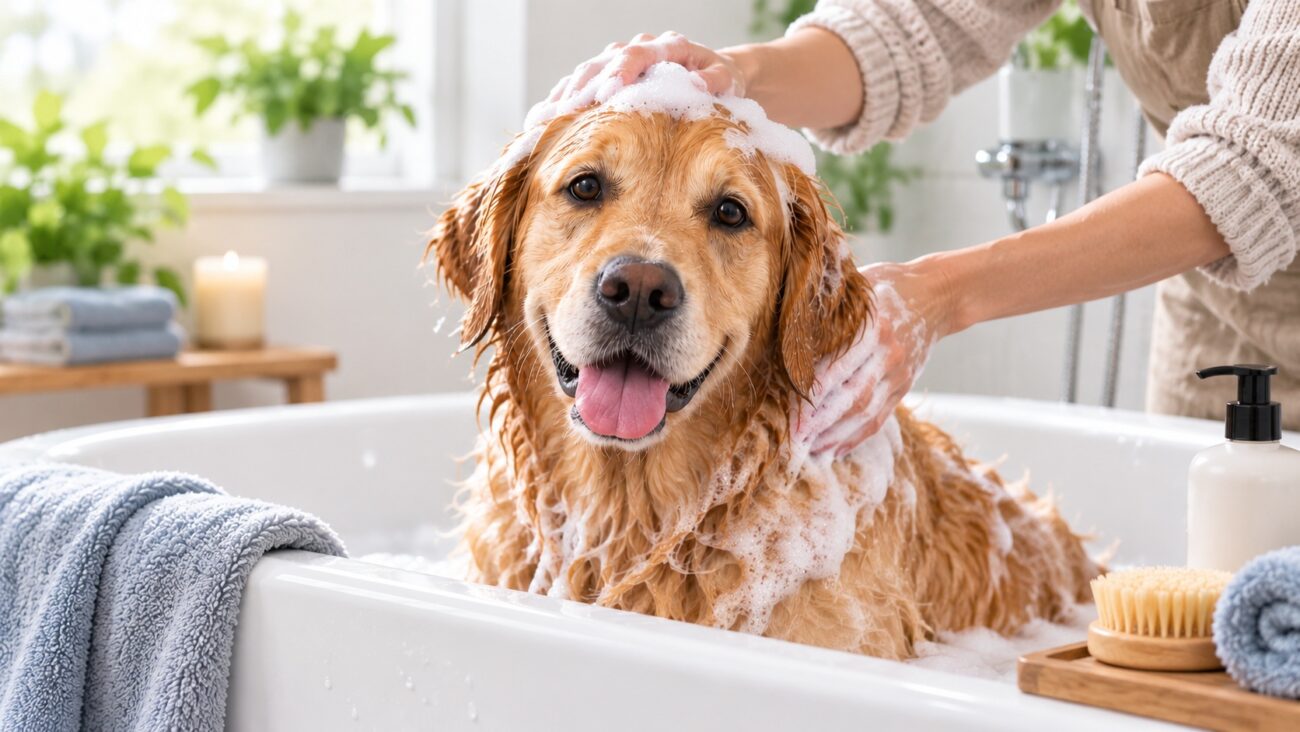
For an otherwise healthy dog with mild dry skin, full baths should usually be spaced out rather than automatically scheduled every week. Around every 4–6 weeks can be a practical starting point, then adjust based on how dirty the dog gets and how the skin responds.
This interval isn’t a medical rule. Coat type, activity, climate, allergies, age, and the shampoo you use can all change what works.
- Indoor dog with mild dryness: Often needs only occasional bathing when dirty or smelly.
- Active outdoor dog: May need earlier cleaning after mud, debris, or heavy outdoor activity.
- Dog that gets itchier after baths: May benefit from longer intervals and a gentler shampoo.
- Dog with diagnosed skin disease: Needs the veterinarian’s bathing and shampoo schedule.
The PetMD bathing guidance also emphasizes that breed, coat, lifestyle, season, and health all affect frequency.
That is why counting days alone doesn’t give you the full answer.
Can Bathing Too Often Make a Dog’s Dry Skin Worse?
Yes. Frequent bathing with the wrong cleanser can strip oils from the coat and leave some dogs feeling drier or itchier.
The American Kennel Club’s grooming guidance warns against excessive bathing and recommends mild products made specifically for dogs.
Dry skin in dogs means the outer skin is losing moisture or becoming flaky, irritated, or uncomfortable. Dryness itself is a sign rather than one specific diagnosis.
Useful rule: If your dog’s coat is already clean and the skin looks dry, another full shampoo bath is rarely the first thing I’d add. Brushing or cleaning only the dirty area can often buy more time between baths.
Problems become more likely when owners use strong degreasing products, hot water, human shampoo, or incomplete rinsing. Repeated fragrance-heavy bathing can also be uncomfortable for sensitive dogs.
If you need a complete technique refresher, follow these steps for bathing a dog at home without making the process unnecessarily harsh.
How Does Bath Frequency Change for Different Skin Problems?
The right frequency depends on why the skin is dry. Ordinary mild dryness and veterinary skin disease should not be treated as the same problem.
| Situation | Typical Bath Approach | Main Goal |
|---|---|---|
| Mild dry skin, otherwise healthy | Start around every 4–6 weeks or when genuinely dirty | Clean without unnecessary oil removal |
| Dry skin after frequent bathing | Lengthen the interval and reassess shampoo | Reduce avoidable irritation |
| Canine atopic dermatitis | Weekly to every two weeks may be recommended | Reduce allergens and support treatment |
| Seborrhea | May require 2–3 baths weekly initially under veterinary guidance | Control scale, oil, itching, and secondary problems |
| Bacterial skin infection | May require frequent medicated baths prescribed by a veterinarian | Support treatment of infection |
This difference matters. The MSD Veterinary Manual’s seborrhea guidance describes frequent therapeutic bathing for some affected dogs.
MSD also notes that dogs with atopic dermatitis may benefit from weekly to biweekly bathing. Those schedules are treatment plans, not routine cosmetic bathing schedules.
What Shampoo Is Best for a Dog With Dry Skin?
Look for a mild dog-specific shampoo designed for dry or sensitive skin. Moisturizing ingredients and a soap-free formula can be useful starting points.
Oatmeal and aloe appear in many products marketed for dry, itchy skin. They can support comfort, but shampoo cannot diagnose or fix every reason a dog scratches.
- Choose: Dog-specific, moisturizing, easy-to-rinse formulas.
- Consider: Colloidal oatmeal, aloe, ceramides, glycerin, or other moisturizing ingredients.
- Avoid routine use of: Human shampoo, strong detergents, or harsh degreasing cleansers.
- Use medicated products carefully: Chlorhexidine, antifungals, benzoyl peroxide, selenium compounds, and similar ingredients should match the actual skin problem.
The MSD Veterinary Manual recommends following veterinary instructions for medicated shampoos and rinsing thoroughly because leftover product can irritate the skin.
You can also compare formulas in our guide to the best dog shampoos and conditioners before choosing a routine product.
How Should You Bathe a Dog Without Drying Its Skin?
Bath technique matters almost as much as bath frequency. Gentle water temperature, complete rinsing, and careful drying can make a noticeable difference.
- Brush before bathing. Remove loose hair, debris, and easy tangles before getting the coat wet.
- Use lukewarm water. Avoid water that feels hot against your wrist.
- Wet the coat thoroughly. Dense coats need extra time before shampoo reaches the skin evenly.
- Apply the correct shampoo. Follow dilution and contact-time instructions on the bottle.
- Massage instead of scrubbing. Aggressive rubbing can irritate already-sensitive skin.
- Rinse longer than you think. Check the belly, legs, armpits, and dense sections for remaining product.
- Blot the coat dry. Avoid harsh towel rubbing over flaky or sore areas.
For medicated products, never assume longer contact time works better. Use the exact instructions supplied by your veterinarian or product label.
My practical check: After the rinse, I would rather spend another minute checking dense fur than leave shampoo behind. Residue is an easy bath-time problem to prevent.
What Can You Do Between Baths for a Dog With Dry Skin?
You don’t need a full bath every time the coat picks up a little dust. Between-bath grooming can keep a dog comfortable without repeatedly shampooing the entire body.
- Brush regularly: Remove loose fur and surface debris using a tool appropriate for the coat.
- Spot-clean dirty areas: Clean muddy paws or one dirty patch instead of washing the whole dog.
- Wash bedding: Clean bedding can reduce dirt, debris, and environmental irritants around the dog.
- Check humidity: Very dry indoor air can contribute to skin feeling dry during colder months.
- Watch for fleas: Flea irritation can look like simple itching or dry skin.
Dandruff can also point to several different causes. Our guide to dog shampoos for dandruff explains common shampoo options, but persistent flakes still deserve a veterinary assessment.
When Is Dry Skin a Reason to Call the Vet?
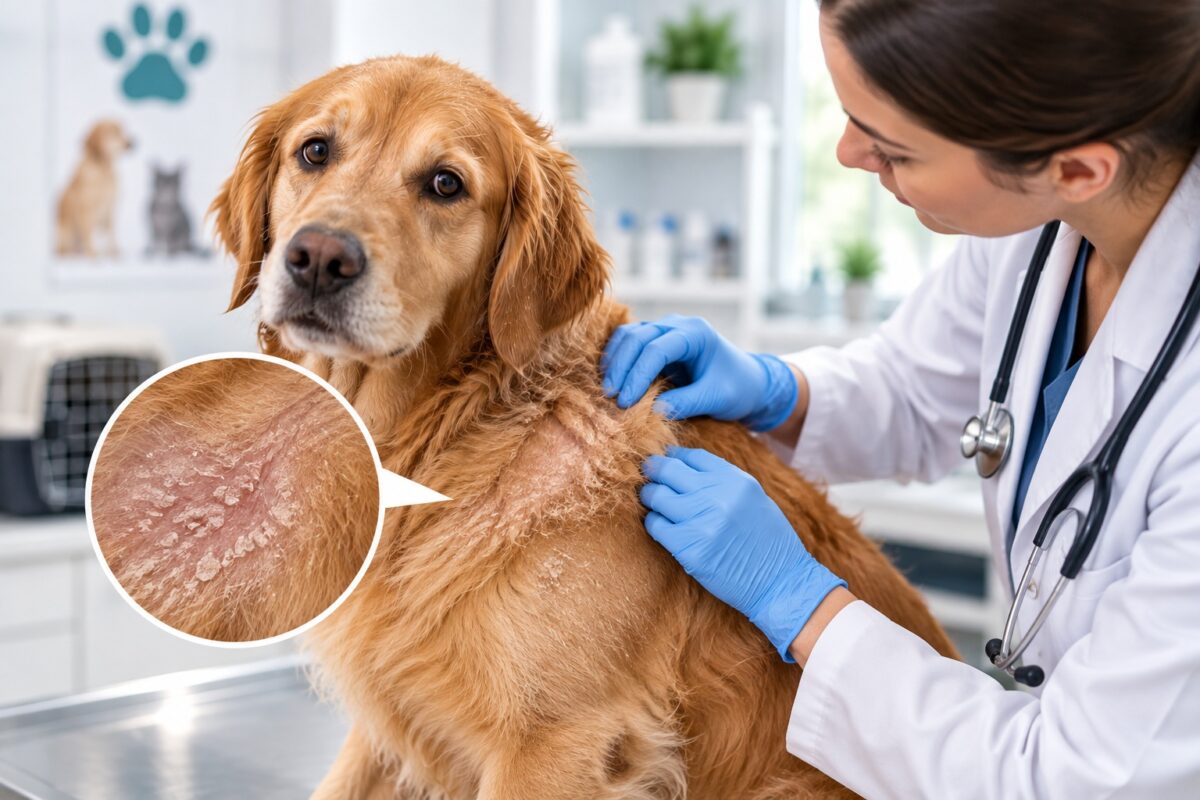
Contact your veterinarian when dryness is persistent, severe, spreading, or accompanied by other skin changes. Repeated bathing should never become a substitute for identifying the cause.
- Constant or intense scratching
- Red, inflamed, or painful skin
- Open sores, scabs, or bleeding
- Hair loss or bald patches
- Greasy skin or a strong unusual odor
- Pustules, crusts, or moist lesions
- Recurring ear problems
- Symptoms that repeatedly return after bathing
Allergies, parasites, bacterial infections, yeast, seborrhea, and other medical issues can produce itching or scaling. Treatment depends on the cause.
As of 2026, veterinary dermatology guidance continues to use bathing as an important treatment tool for several skin disorders. That is different from simply giving a healthy dry-skinned dog more cosmetic baths.
If you’re in Bangladesh and need professional help, this veterinarian and animal doctor directory may help you identify local care options.
Should You Bathe a Dry-Skinned Dog Weekly?
Not automatically. Weekly bathing may be unnecessary for a healthy dog whose only problem is mild dryness.
However, weekly bathing can be appropriate when a veterinarian is treating allergies or another diagnosed skin condition. The shampoo formula and purpose matter as much as the frequency.
This is why advice such as “never bathe a dog weekly” is too broad. Veterinary dermatology sometimes uses frequent bathing deliberately.
The goal is to match the schedule to the skin problem.
If you’re ready to choose a gentle shampoo for routine dry-skin care, these are three formulas I would put on the comparison list. They are intended for routine grooming rather than replacing prescribed dermatology treatment.
🏆 Best Fragrance-Free Pick
Earthbath Oatmeal & Aloe Itch Relief Shampoo – Fragrance Free
★★★★☆ 4.7/5 fit
This soap-free, pH-balanced formula uses colloidal oatmeal and aloe for dry, itchy skin. I especially like the fragrance-free option when minimizing unnecessary scent is a priority.
💰 Best Value
Wahl Dry Skin & Itch Relief Oatmeal Pet Shampoo
★★★★☆ 4.6/5 fit
Wahl’s oatmeal formula is pH balanced and designed for dry, itchy skin. The concentrated lather can make it a practical choice for owners who bathe larger dogs at home.
🐕 Best Shampoo + Conditioner
Pro Pet Works Oatmeal Pet Wash
★★★★☆ 4.5/5 fit
This combination wash is marketed for dry and sensitive coats and combines cleansing with conditioning. I would consider it when you want one routine product rather than separate shampoo and conditioner bottles.
Frequently Asked Questions
How often should I bathe my dog if he has dry, flaky skin?
For mild dryness in an otherwise healthy dog, avoid unnecessary frequent shampooing. Starting around every 4–6 weeks can be reasonable, then adjust for dirt, odor, coat type, and skin response. A diagnosed skin condition may require a completely different schedule set by your veterinarian.
Can I bathe a dog with dry skin once a week?
Weekly bathing may be too frequent for some healthy dogs with mild dryness, especially when the shampoo is harsh. However, veterinarians may prescribe weekly or more frequent medicated baths for allergies, seborrhea, infections, or other skin diseases. Follow the treatment plan rather than a general rule.
Does oatmeal shampoo help dogs with dry skin?
Colloidal oatmeal appears in many dog shampoos designed to moisturize and soothe dry or itchy skin. It can be useful for mild irritation during routine grooming. It will not treat every cause of itching, so persistent redness, hair loss, sores, odor, or scratching needs veterinary evaluation.
Should I use conditioner on a dog with dry skin?
A dog-specific moisturizing conditioner can help some dry coats and may reduce the dry feel that follows shampooing. Choose a product designed for dogs and rinse it according to the label. Ask your veterinarian before adding products when your dog has an active skin disorder.
Why is my dog itchier after a bath?
Post-bath itching can come from shampoo residue, overly hot water, frequent bathing, fragrance sensitivity, or a product that doesn’t suit the skin. It can also expose an underlying allergy or infection. Rinse thoroughly and contact your veterinarian when itching is intense or keeps returning.
What Is the Best Bathing Routine for a Dog With Dry Skin?
Don’t bathe a dry-skinned dog simply because another week has passed. For mild dryness, start with several weeks between baths, use a gentle moisturizing dog shampoo, rinse thoroughly, and watch how the skin reacts.
The exception is a diagnosed skin condition. When your veterinarian prescribes medicated bathing, that schedule can be much more frequent and should take priority over routine grooming advice.
Your next step: Check your dog’s skin before the next bath. If you see only mild flakes, review your shampoo and bathing frequency; if you see redness, sores, hair loss, odor, or ongoing itching, arrange a veterinary evaluation before adding more baths.