
Quick Answer
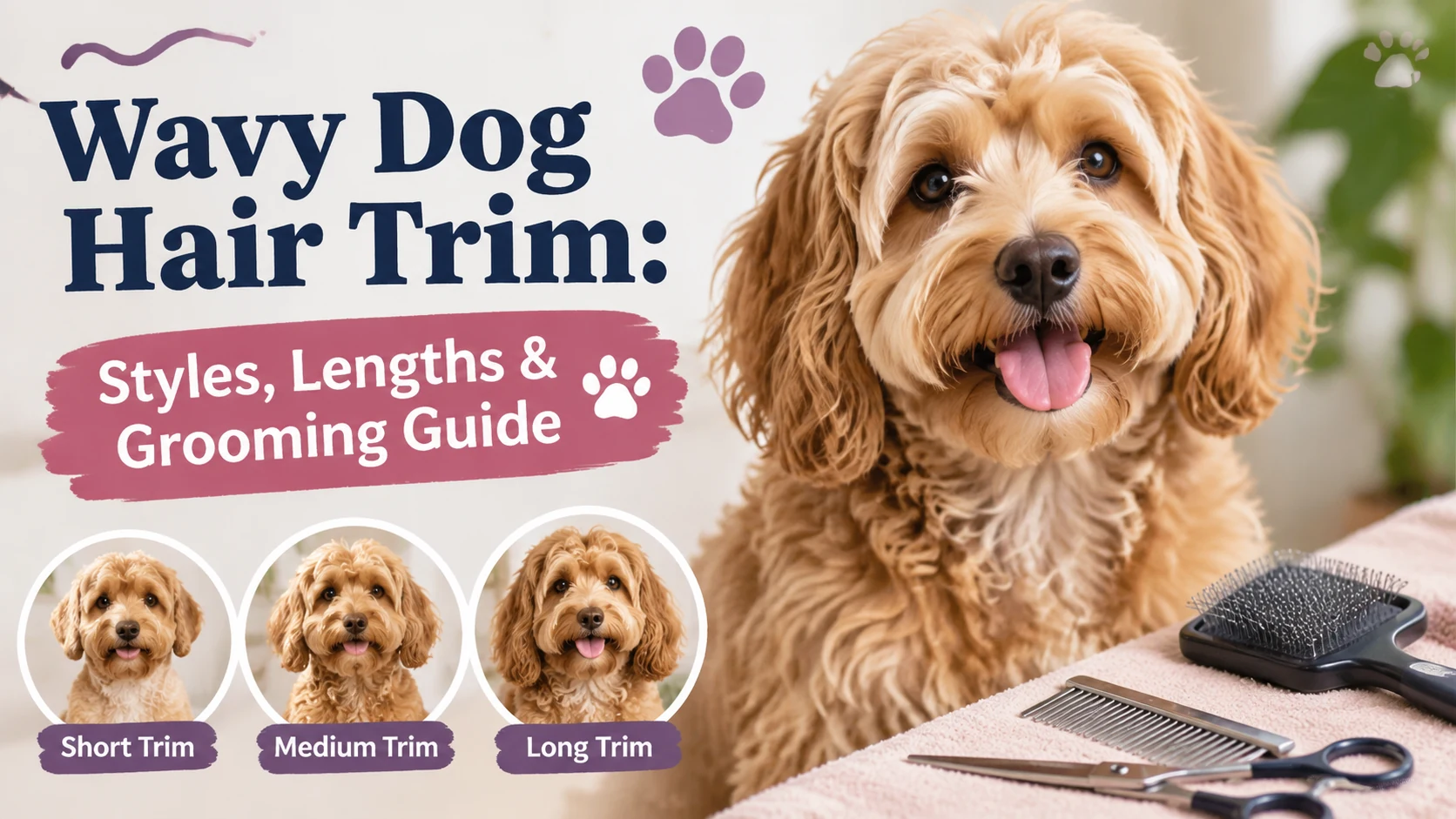
A wavy dog hair trim should maintain the coat’s natural texture while removing excess length and improving manageability. For dogs with continuously growing wavy coats, a teddy bear cut, puppy cut, or light maintenance trim can work well. Brush, detangle, wash, and completely dry the coat before trimming. Avoid shaving double-coated dogs for cosmetic reasons, and leave sensitive areas and tight mats to a professional groomer.
Wavy dog hair can look beautifully natural when trimmed correctly. However, an unsuitable haircut can leave the coat uneven, difficult to maintain, or unnecessarily short.
The right approach depends on your dog’s coat structure, lifestyle, and tolerance for grooming. Start by understanding what kind of coat you are working with rather than choosing a haircut based on appearance alone.
What Is a Wavy Dog Hair Trim?
A wavy dog hair trim is a grooming technique that shortens and shapes naturally wavy fur while preserving an appearance appropriate for the dog’s coat type. It can range from a light tidy around the body to a more substantial haircut.
Wavy coats fall between straight and tightly curled textures. Some feel soft and silky, while others are dense, woolly, or fleece-like.
Dogs that may have wavy coats include:
- Goldendoodles
- Labradoodles
- Cockapoos
- Cavapoos
- Portuguese Water Dogs
- Cocker Spaniels
- Havanese
Even dogs of the same breed or crossbreed can have different coat characteristics. A wavy Goldendoodle, for example, may need a different grooming routine from a wavy-coated spaniel.
Wavy describes the shape of the hair, not whether the dog has an undercoat or needs regular clipping. That distinction determines which trimming methods are appropriate.
Which Haircut Styles Work Best for Wavy Dogs?
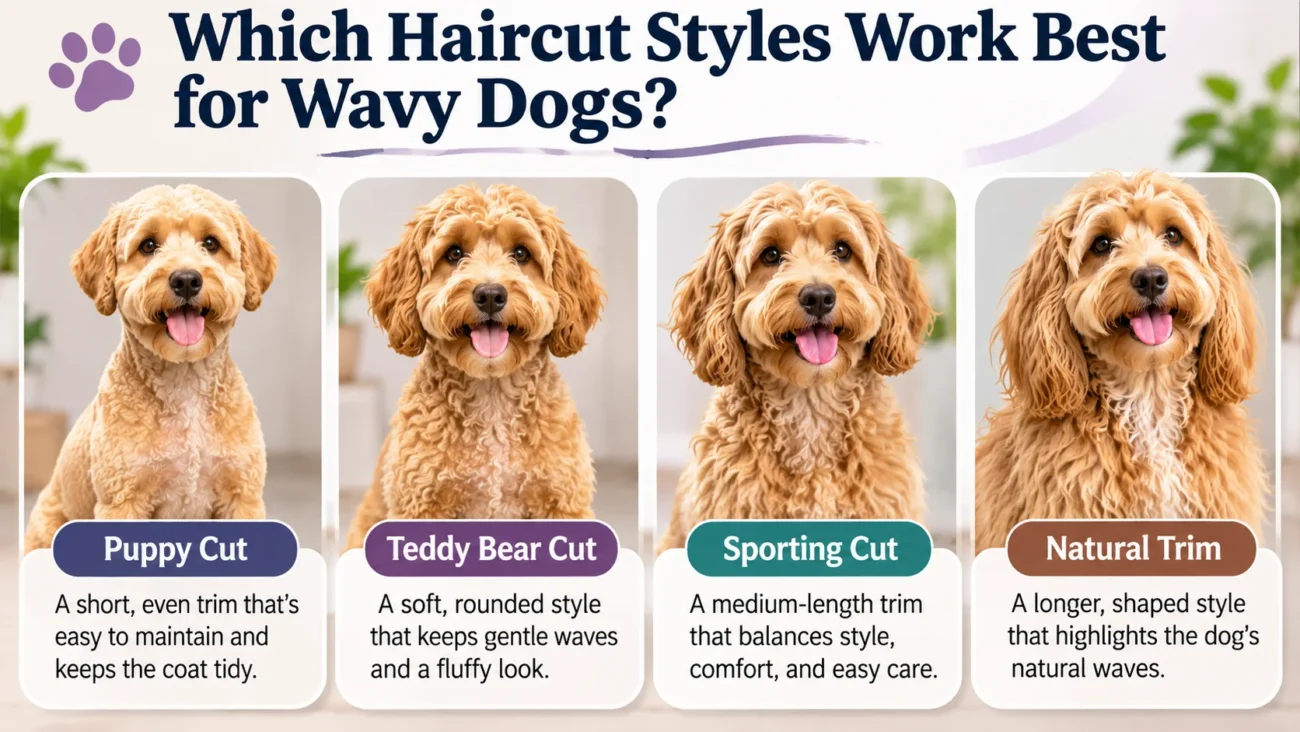
Teddy bear cuts, puppy cuts, and natural maintenance trims are useful options for many wavy-coated dogs. The best choice balances your preferred appearance with the amount of brushing you can realistically maintain.
These common styles produce different results and require different levels of upkeep.
| Haircut Style | Appearance | Maintenance |
|---|---|---|
| Teddy bear cut | Rounded, fluffy appearance | Moderate to high |
| Puppy cut | Shorter, relatively even coat | Moderate |
| Natural trim | Longer, visible waves | High for dense coats |
| Sanitary trim | Targeted hygiene maintenance | Depends on overall coat length |
A puppy cut may simplify daily maintenance, while a natural trim makes more sense when preserving visible waves is your priority.
Teddy Bear Cut
The teddy bear cut combines a manageable body length with softly rounded facial hair and fuller shaping around the head or legs.
Wavy fleece coats often suit this style because their texture creates a soft outline without requiring tight curls. Longer facial and leg hair still needs regular maintenance to prevent tangling.
Puppy Cut
A puppy cut uses a relatively uniform length across much of the body. It is not restricted to puppies and has no universal grooming length.
This style can be practical for active dogs that frequently collect dirt, leaves, and moisture during outdoor activities.
Natural Wavy Trim
A natural trim removes excess length without substantially changing the dog’s silhouette. It works particularly well when the existing coat is healthy, manageable, and free from matting.
Ask for an outline tidy rather than a full-body clip if you want to preserve more of the natural texture.
How Short Should You Trim Wavy Dog Hair?
For suitable continuously growing coats, approximately one inch of remaining body hair can be a useful starting point to discuss with your groomer. Longer lengths may preserve more waves but require additional brushing.
These are illustrative styling choices rather than universal veterinary recommendations.
| Remaining Length | Likely Result |
|---|---|
| Around 1 inch | Neater, more manageable coat |
| 1–2 inches | Fuller appearance with visible waves |
| Over 2 inches | Long, natural appearance requiring more maintenance |
These lengths are not recommendations for clipping double-coated dogs. Coat density, skin coverage, breed characteristics, and existing mats may also change the appropriate length.
Remember that wavy hair can look shorter once it settles after brushing and drying. Leave additional length during an initial trim rather than removing too much at once.
What Tools Do You Need Before Trimming?
Basic preparation requires a coat-appropriate brush, grooming comb, dog shampoo, towels, and suitable pet grooming clippers if clipping is appropriate.
- Slicker brush: Helps separate loose tangles in suitable longer coats.
- Metal grooming comb: Checks for knots hidden beneath the surface.
- Pet grooming clippers with guard combs: Help maintain a more consistent cutting length.
- Dog-safe conditioner: May improve manageability in dry or easily tangled hair.
- Non-slip mat: Provides secure footing during grooming.
A comb is especially valuable because a brushed coat can look fluffy while still containing knots near the skin. Check the full depth of the coat rather than relying on surface appearance.
How to Trim Wavy Dog Hair Safely at Home
Limit home trimming to accessible body areas on a calm, healthy dog with a suitable, completely detangled coat. Leave complex shaping and sensitive areas to a trained groomer.
Step 1: Inspect the Coat and Skin
Check behind the ears, beneath the collar, under the legs, and around the chest. These areas can develop tangles through repeated movement and friction.
Look for redness, sores, swelling, or painful knots. Postpone trimming if you discover a skin problem that needs veterinary attention.
Step 2: Brush and Comb Thoroughly
Divide the coat into small sections and gently brush through each layer. Follow with a metal comb to confirm that it passes through without catching.
Work slowly around any loose tangles. Do not force the comb through tightly matted hair.
Step 3: Wash and Dry the Coat
Once the coat is free from tangles, wash it with a suitable dog shampoo and rinse thoroughly. Avoid vigorous towel rubbing, which can create new knots.
Follow this step-by-step dog bathing guide for safe washing and drying techniques.
Make sure the coat is fully dry before using clippers according to their manufacturer’s instructions.
Step 4: Begin With a Longer Clipper Guard
For a dog whose coat is suitable for clipping, begin with a longer guard on an accessible body section. Follow the natural direction of hair growth and assess the result before shortening further.
Use light pressure, check blade temperature frequently, and stop whenever the dog becomes restless or uncomfortable. Never force clippers through resistant hair.
Step 5: Check the Finish
Comb the coat again and allow the waves to settle naturally. Assess both sides of the body before deciding whether further trimming is necessary.
Do not keep shortening the coat to correct every small difference. Natural wave patterns can make an otherwise balanced haircut look slightly different across the body.
Warning
Never cut tight mats with scissors. Skin can become trapped inside a mat and may be difficult to distinguish from hair. Professional removal is safer, particularly around the ears, armpits, groin, and skin folds.
Can You Trim a Double-Coated Dog With Wavy Hair?
Yes, some double-coated dogs can receive light tidying appropriate to their breed, but routine full-body shaving is generally discouraged. Wavy texture alone does not make a dog suitable for short clipping.
Double coats contain an insulating undercoat beneath longer outer hairs. Removing these layers unnecessarily can interfere with coat protection and produce uneven regrowth.
The American Kennel Club’s double-coat grooming guidance recommends appropriate brushing and undercoat maintenance rather than routine shaving.
Excessive matting or medical treatment may justify exceptions. Have a groomer assess the coat before requesting a complete haircut, particularly if your dog sheds heavily or has a dense undercoat.
How Often Should Wavy Dog Hair Be Trimmed?
A professional grooming appointment every four to eight weeks can be a reasonable starting schedule for many continuously growing wavy coats. Individual needs may require shorter or longer intervals.
Schedule maintenance according to these practical indicators:
- Hair regularly obscures the eyes.
- Food or moisture collects around the muzzle.
- Tangles develop faster than you can remove them comfortably.
- Excess paw hair interferes with cleanliness or footing.
- The existing coat no longer suits your dog’s activity level.
A natural, longer style may require grooming attention before it needs another full haircut. Brush-outs and targeted maintenance appointments can help preserve length between trims.
How to Maintain Natural Waves Between Haircuts
Regular brushing, gentle drying, and appropriate conditioning help maintain wavy hair without allowing tangles to build up underneath.
Dense or long wavy coats may benefit from daily brushing. Less demanding coats may only need several sessions each week.
The AKC home grooming guide explains the importance of gentle brushing through the full coat and checking areas prone to tangling.
Pay particular attention after outdoor activities, swimming, or wearing a harness. Remove loose debris before it becomes tangled in the surrounding hair.
If you prefer visible waves rather than a freshly brushed fluffy finish, allow the clean, detangled coat to settle naturally. Avoid sacrificing proper brushing just to preserve a particular texture.
What Should You Tell Your Dog Groomer?
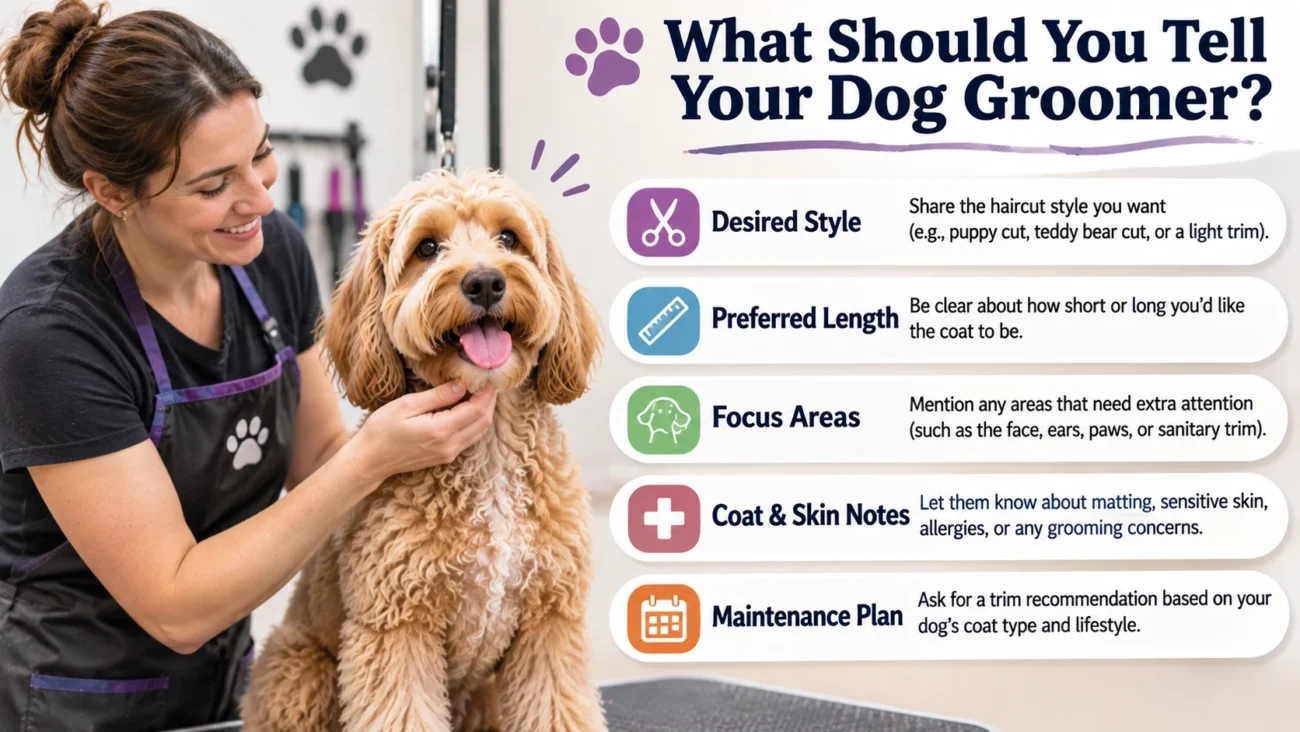
Describe the desired remaining length, overall shape, and maintenance requirements instead of relying only on haircut names.
For example, you could request a natural, rounded finish with approximately one inch of body hair, slightly fuller ears, and a tidy face, provided your dog’s coat is suitable for that haircut.
Bring a reference photograph of a dog with a similar coat texture. A picture of a tightly curled Poodle may not translate accurately to a loosely wavy Labradoodle.
Be transparent about existing tangles and grooming sensitivities. A comfortable, manageable haircut matters more than reproducing a particular photograph.
Related Product
Dog Slicker Brush and Metal Grooming Comb Set
A suitable brush and metal comb help maintain wavy coats and identify hidden tangles before they develop into difficult mats.
As an Amazon Associate, we earn from qualifying purchases.
Frequently Asked Questions
Does trimming wavy dog hair make it curlier?
Trimming can make existing waves appear more pronounced by removing longer, heavier hair. However, cutting does not permanently change the genetic structure of the hair follicles.
Can I use human hair clippers on a wavy-coated dog?
Pet grooming clippers are preferable because they are designed for animal coats. Human clippers may struggle with dense dog hair, causing pulling, overheating, or an uneven finish.
Should I trim a wavy-haired puppy before its adult coat grows?
A puppy can receive gentle introductory grooming and appropriate hygiene trims. A professional groomer can assess whether a full haircut is suitable as the adult coat develops.
Does a wavy coat mean my dog is hypoallergenic?
No. Wavy hair does not guarantee that a dog will cause fewer allergic reactions. Dog allergens can come from skin flakes, saliva, and other biological sources, regardless of coat texture.
Why does my dog’s wavy hair look straight after grooming?
Brushing and drying can temporarily stretch and separate natural waves, producing a straighter or fluffier appearance. The original texture may become more noticeable as the coat settles.
Should I give my wavy-haired dog a shorter haircut in summer?
A manageable summer trim may suit continuously growing coats, but avoid shaving solely because the weather is hot. Coat type, skin protection, shade, hydration, and individual grooming needs should guide the decision.
Conclusion
A successful wavy dog hair trim combines a comfortable coat length, natural appearance, and manageable grooming routine. Teddy bear cuts and puppy cuts can work well for suitable continuously growing coats, while other wavy-coated dogs may only need light tidying.
Choose the haircut according to your dog’s actual coat structure rather than its appearance alone. Keep the hair free from tangles, avoid unnecessary shaving, and use professional assistance for sensitive areas or severe matting.
The best haircut is one your dog can comfortably wear and you can maintain between grooming appointments.


