
Quick Answer
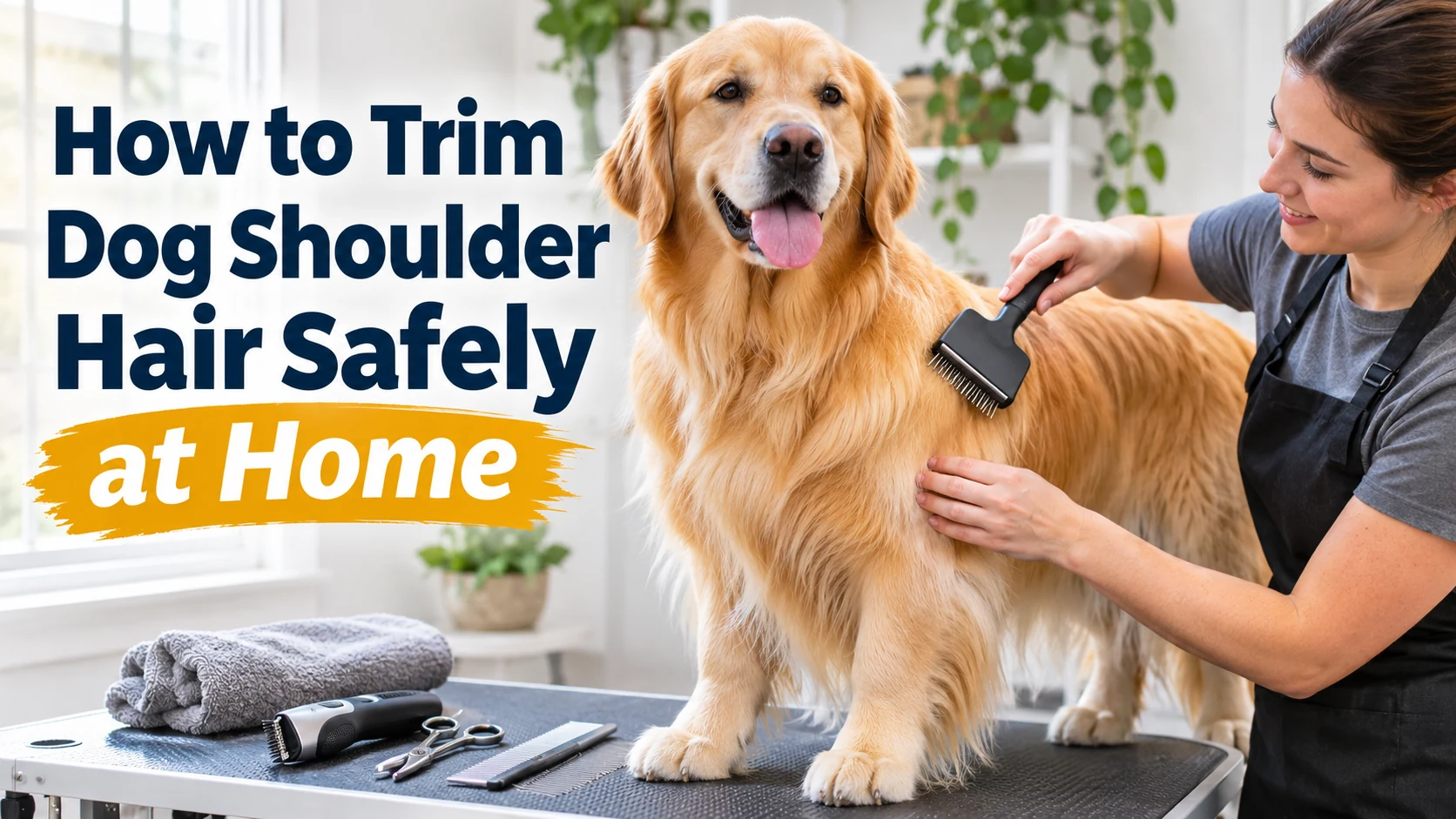
To trim dog shoulder hair safely, brush and comb the coat thoroughly, identify your dog’s coat type, and shorten only excessive hair using an appropriate grooming tool. Preserve the natural shape of the shoulders, avoid shaving double-coated breeds, and never cut tight mats with scissors. If the skin is irritated or the hair is severely tangled, seek professional grooming assistance.
Long, uneven hair around your dog’s shoulders can make an otherwise neat coat look bulky. It can also become tangled where a collar or harness repeatedly rubs against the fur.
However, removing shoulder hair is not always the solution. Some dogs need light shaping, while others simply need better brushing and undercoat maintenance.
Should You Trim Your Dog’s Shoulder Hair?
You can trim your dog’s shoulder hair if the coat is healthy, the hair genuinely needs shortening, and the trimming method is appropriate for its coat type.
The shoulder area extends from the base of the neck across the shoulder blades and down toward the upper front legs. Depending on the breed, this area may contain dense undercoat, longer feathering, or continuously growing hair.
A light shoulder trim may be beneficial when:
- Long hair creates an uneven outline.
- Excessive feathering makes routine grooming difficult.
- A continuously growing coat needs regular maintenance.
- The shoulder hair no longer blends naturally into the neck and upper legs.
- Hair repeatedly becomes tangled around harness contact points.
Trimming is unnecessary when the coat is naturally short or when the apparent bulk comes from loose, shedding undercoat that can be removed through brushing.
The goal is a manageable, comfortable coat rather than making every dog look as though it has the same haircut.
Choose the Right Trimming Method for Your Dog’s Coat
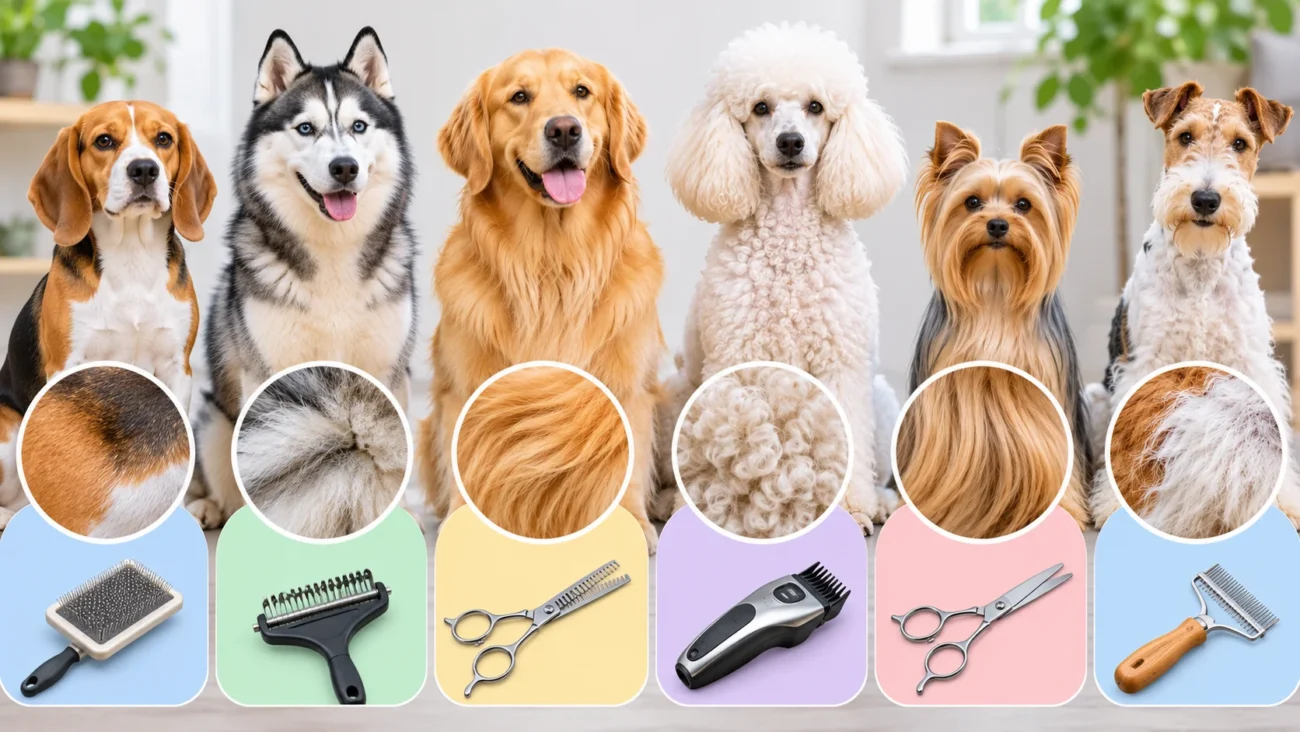
Your dog’s coat type determines whether shoulder hair should be clipped, lightly shaped, or left at its natural length.
| Coat Type | Example Breeds | Shoulder Grooming |
|---|---|---|
| Short, smooth | Boxer, Beagle | Brushing rather than trimming |
| Dense double coat | Husky, German Shepherd | Remove loose undercoat without routine shaving |
| Feathered double coat | Golden Retriever | Minimal, breed-appropriate shaping |
| Continuously growing | Poodle, Bichon Frise | Guarded clipping when appropriate |
| Silky or long coat | Yorkshire Terrier, Maltese | Gentle maintenance trimming |
| Wire coat | Wire Fox Terrier | Breed-specific professional grooming |
Mixed-breed dogs may have characteristics from several coat types. Examine the actual hair texture and density instead of relying entirely on breed labels.
What Tools Do You Need to Trim Dog Shoulder Hair?
Use dog-specific grooming equipment that matches the length and texture of the coat. You may discover that brushing tools are all you need.
- Slicker brush: Helps separate loose hair and minor tangles in suitable coats.
- Metal grooming comb: Helps locate knots that remain beneath the surface.
- Pin brush: Useful for maintaining longer coats.
- Guarded dog clippers: Suitable for shortening healthy, detangled coats that require regular clipping.
- Thinning shears: Used by trained groomers for blending selected areas of longer hair.
- Pet-safe detangling spray: May help loosen minor tangles without excessive pulling.
- Non-slip mat: Provides stable footing during grooming.
Avoid using household scissors near your dog’s body. Even rounded grooming scissors can cause injuries if your dog moves suddenly or the skin becomes caught between the blades.
If you have never used dog clippers or grooming shears before, ask a professional groomer to demonstrate the correct technique for your dog’s coat.
How to Trim Dog Shoulder Hair Step by Step
Start with a calm dog and a clean, dry, completely detangled coat. The following process is intended for minor maintenance on dogs whose coats are suitable for trimming.
1. Remove the Collar and Harness
Take off any equipment covering the shoulders. This allows you to inspect the entire area, including the places where straps normally rest.
Choose a quiet location with stable footing. Keep grooming sessions short if your dog is unfamiliar with the process.
2. Inspect the Hair and Skin
Separate the shoulder hair gently with your fingers. Look for redness, scabs, tight knots, unusual lumps, thinning hair, or signs of discomfort.
Do not trim over injured, inflamed, or painful skin. A change affecting only one shoulder may need investigation rather than cosmetic grooming.
3. Brush and Comb Thoroughly
Use a brush suitable for your dog’s coat, working through small sections with gentle movements.
Follow with a grooming comb where appropriate. It should move through the hair without catching on hidden tangles or pulling painfully against the skin.
Once loose undercoat has been removed, the shoulders may already look noticeably flatter. Reassess how much trimming is necessary before reaching for cutting tools.
4. Identify the Natural Shoulder Outline
Allow your dog to stand in a comfortable, natural position. View the shoulder from the side and front to see how the hair connects with the neck, chest, back, and upper legs.
Do not judge the required length while lifting or stretching the hair. Let the coat settle into its normal position first.
5. Shorten Only the Necessary Hair
For dogs with coats suitable for clipping, use an appropriate long guard attachment and start conservatively.
Move the clippers gently in the direction of hair growth without forcing them through the coat. Check the blade temperature regularly and stop if the equipment becomes hot.
For feathered coats that need precision shaping, professional blending is preferable to inexperienced scissor work. Avoid cutting deeply into the undercoat or creating a sharp division between the shoulder and surrounding hair.
6. Check Both Shoulders
Comb the hair back into place and examine both sides while your dog is standing normally.
Natural hair growth may differ slightly between the shoulders. Do not keep removing hair simply to achieve perfect symmetry.
7. Finish and Reward Your Dog
Brush away loose cut hair, inspect the skin again, and reward calm behavior. Stop the session while your dog is still comfortable.
A successful maintenance trim should leave the coat looking natural without causing redness, discomfort, or visible skin exposure.
How to Blend Thick Shoulder Hair on a Golden Retriever
Golden Retrievers can develop a prominent ridge or shelf of hair around the neck and shoulders. This does not mean their entire shoulder coat should be shortened.
The Golden Retriever Club of America’s grooming guidance describes selective blending along the shoulder outline while retaining the breed’s natural appearance.
Before considering this approach, remove loose undercoat and comb the longer hair into its normal position. If a pronounced ridge remains, a groomer familiar with Golden Retrievers can determine whether limited thinning is appropriate.
Key Insight
Bulky shoulder hair is not necessarily excessive hair growth. Loose undercoat can create volume that disappears after thorough brushing. Removing that loose hair first helps prevent an unnecessarily short haircut.
How to Handle Matted Shoulder Hair
Do not attempt to trim matted shoulder hair as though it were ordinary overgrown fur. Mats may pull the skin upward, making it difficult to distinguish hair from skin.
Small, loose tangles may respond to gentle finger separation, an appropriate detangling product, and careful combing. Stop if the knot does not loosen easily or your dog shows discomfort.
According to VCA Animal Hospitals’ coat care guidance, scissors should not be used to remove mats. Clippers are the appropriate cutting tool, with professional assistance for difficult or extensive matting.
Warning
Never slide scissors underneath a tight mat or pull it away from the body before cutting. Skin can become folded into the tangled hair, creating a serious risk of accidental injury.
Why Shoulder Hair Keeps Matting Under a Harness
Repeated friction between harness straps and longer hair can encourage tangling around the shoulders, chest, and armpits.
Shortening the coat may help certain continuously growing coat types, but it does not correct an unsuitable harness fit.
To reduce recurring tangles:
- Check whether the harness slides excessively during walks.
- Remove the harness when it is no longer needed, where safe.
- Brush the strap contact areas regularly.
- Check the coat after wet or muddy walks.
- Allow damp fur to dry thoroughly.
- Ask a groomer about a manageable coat length for your dog.
If you notice broken hairs, bald patches, or persistent redness beneath the straps, stop using the irritating equipment until you can identify and correct the problem.
When Should You Avoid Trimming Shoulder Hair at Home?
Some conditions make professional grooming or veterinary assessment more appropriate than a home haircut.
| Situation | Recommended Action |
|---|---|
| Tight mats against the skin | Professional groomer |
| Pain, sores, or inflammation | Veterinary assessment |
| Fearful or struggling dog | Stop and arrange suitable assistance |
| Unfamiliar coat type | Breed-appropriate grooming advice |
| Uneven or damaged previous haircut | Professional assessment before further cutting |
The appropriate professional depends on whether the problem involves coat appearance, grooming behavior, or underlying skin health.
Common Shoulder Hair Trimming Mistakes
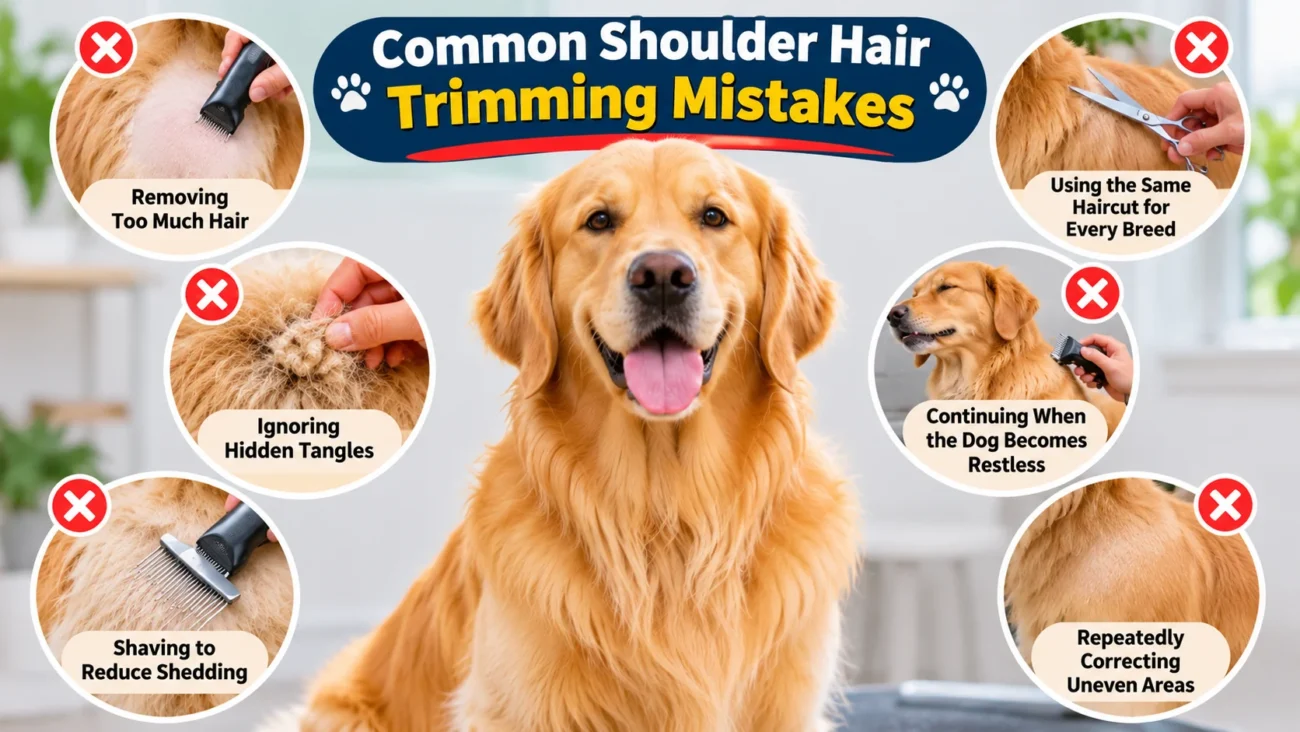
- Removing too much hair: A small adjustment is easier to blend than a deeply shortened patch.
- Ignoring hidden tangles: A smooth outer layer can conceal knots near the skin.
- Using the same haircut for every breed: Coat structure determines suitable grooming methods.
- Shaving to reduce shedding: Routine shaving is not an appropriate substitute for double-coat maintenance.
- Continuing when the dog becomes restless: Movement increases the risk of grooming injuries.
- Repeatedly correcting uneven areas: Excessive corrective trimming can create larger patches.
The American Kennel Club’s home grooming guidance emphasizes learning appropriate techniques and selecting equipment suited to the individual dog.
Frequently Asked Questions
How often should I trim my dog’s shoulder hair?
There is no universal trimming schedule. Dogs with continuously growing hair may need regular maintenance, while naturally shedding coats may require brushing rather than shoulder haircuts. Inspect the area during routine grooming and trim only when necessary.
Will trimmed dog shoulder hair grow back?
Healthy hair generally regrows, but its growth rate depends on coat type, season, and health. Closely clipped double coats may regrow unevenly or slowly, so avoid unnecessary shaving.
Can I trim my puppy’s shoulder hair?
Yes, when the puppy’s coat requires it and the process is safe. However, puppies benefit from gradual introduction to grooming tools, handling, and short positive sessions rather than unnecessary cosmetic haircuts.
Should I trim shoulder hair before or after bathing?
Minor trimming is generally easier on a clean, dry, detangled coat. Check for mats before bathing because washing a tangled coat can make existing knots more difficult to remove.
Can trimming shoulder hair stop my dog from shedding?
No. Shortening hair does not stop the normal shedding cycle. Regular brushing with coat-appropriate tools is a better way to manage loose hair in shedding breeds.
Why does my dog have longer hair on one shoulder?
Natural growth patterns, friction, coat texture, and previous grooming can create differences between the shoulders. If unevenness appears suddenly alongside hair loss, itching, or skin changes, arrange a veterinary assessment.
Final Thoughts
The safest way to trim dog shoulder hair is to preserve the natural coat, remove loose hair before cutting, and make only necessary adjustments. Match your grooming method to your dog’s coat type, and leave difficult blending, tight mats, and sensitive skin problems to the appropriate professional.


