
Quick Answer
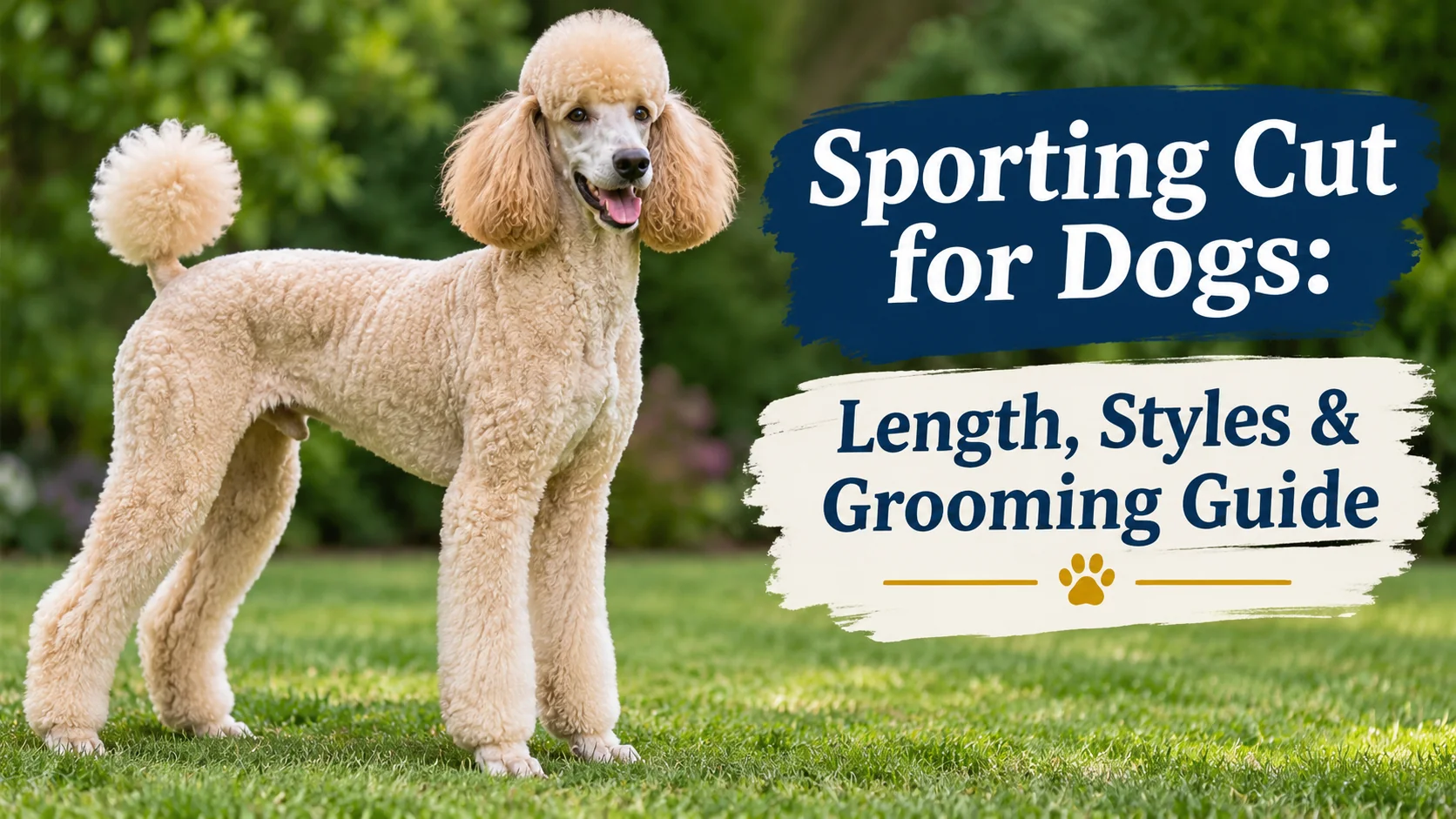
A sporting cut for dogs is a practical grooming style that keeps the coat short and follows the dog’s natural body shape. The traditional Poodle sporting clip features closely trimmed facial hair, feet and throat, a shaped topknot, and a tail pompom. Pet-friendly variations can also reduce feathering and simplify coat maintenance for active dogs with suitable coat types.
A dog that spends its afternoons running through grass, swimming, or exploring muddy trails may benefit more from a practical haircut than an elaborate grooming style.
The sporting cut offers a balance between manageable coat length and a neat, athletic appearance. However, its appearance and suitability depend on the breed, coat texture, and grooming pattern you choose.
What Is a Sporting Cut for Dogs?
A sporting cut is a short, functional haircut designed to preserve a dog’s natural outline while reducing the amount of hair that requires regular maintenance.
The term is most closely associated with Poodles, although groomers also use similar terminology for practical haircuts on Spaniels and other active dogs.
The traditional Poodle sporting clip typically includes:
- A short, evenly shaped body coat.
- Leg hair that follows the dog’s natural proportions.
- Closely clipped facial and throat hair.
- Cleanly trimmed feet.
- A shaped cap of hair on the head.
- A rounded pompom at the end of the tail.
According to the Poodle Club of America’s breed standard, the formal sporting clip limits the main body coat to one inch, with slightly longer hair permitted on the legs.
Pet grooming versions are more flexible. Owners can retain additional facial hair, adjust leg length, or request a natural-looking tail instead of following the traditional pattern exactly.
What Does a Sporting Cut Look Like on Different Dogs?
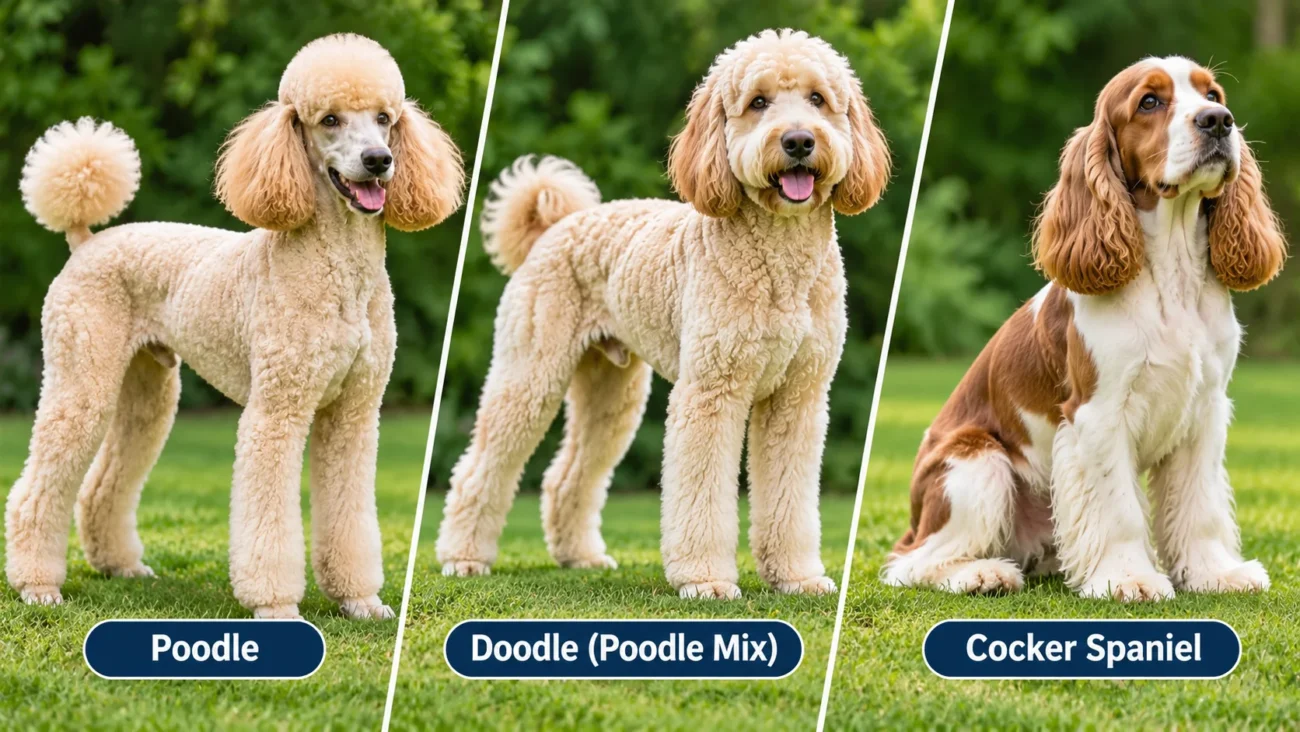
The sporting cut generally creates a streamlined appearance, but its shape changes according to the dog’s coat type and breed characteristics.
Poodles
Poodles are particularly well suited to the traditional sporting clip because their continuously growing curly hair can be shaped into a defined outline.
The short body contrasts with the shaped head and tail, creating an athletic appearance without the extensive styling associated with elaborate show trims.
Standard, Miniature, and Toy Poodles can all wear variations of this haircut.
Doodles and Poodle Mixes
Goldendoodles, Labradoodles, and Cockapoos with suitable coats can wear modified sporting cuts. Many owners prefer a short body with a softly rounded muzzle rather than the closely clipped face of a traditional Poodle.
Because mixed-breed coat characteristics vary, the groomer should assess the individual dog’s hair rather than assume that every Doodle can receive the same haircut.
Cocker Spaniels and Other Spaniels
A Spaniel sporting cut, sometimes called a field clip, usually focuses on reducing excessive feathering around the legs, chest, ears, and underside.
The goal is to make outdoor debris easier to remove while retaining an appropriate amount of natural coat.
Breed-specific coat care still matters. Some Spaniels benefit from selective trimming rather than clipping the entire body.
How Long Should a Sporting Cut Be?
For a suitable Poodle-type coat, a practical sporting cut can leave approximately half an inch to one inch of body hair. Shorter or longer pet variations may be appropriate depending on coat condition and lifestyle.
Use these approximate finished lengths as discussion points with your groomer rather than universal clipping requirements.
| Coat Length | Appearance | Consideration |
|---|---|---|
| 1/4 inch (6 mm) | Very short | Less coat coverage |
| 1/2 inch (13 mm) | Close, athletic outline | Easier routine maintenance |
| 3/4 inch (19 mm) | Soft, defined finish | Balanced length and upkeep |
| 1 inch (25 mm) | Fuller sporting style | More regular brushing |
A half-inch or three-quarter-inch finish is a reasonable starting point for discussing a practical Poodle pet trim. The final appearance will depend on curl density, clipping direction, and how the coat settles afterward.
Remember that the length of the body does not have to match the length of the ears, head, legs, or tail.
Which Dog Breeds Are Best Suited to a Sporting Cut?
Dogs with continuously growing coats and dogs that benefit from selective feathering reduction are appropriate candidates for sporting-style grooming.
Potential candidates include:
- Standard Poodles: Well suited to the traditional sporting clip.
- Miniature and Toy Poodles: Suitable for compact versions of the same pattern.
- Goldendoodles: May benefit from modified sporting trims when their coat permits.
- Labradoodles: Suitable candidates when individual coat characteristics support clipping.
- Cockapoos: Can wear practical shorter styles with softer facial shaping.
- Cocker Spaniels: May benefit from a breed-appropriate field trim.
- Springer Spaniels: Can benefit from selective feathering reduction for outdoor activities.
Being an active dog or belonging to the Sporting Group does not automatically make a breed suitable for an all-over short haircut.
Warning
Avoid routine close clipping of naturally double-coated dogs such as Golden Retrievers, Labrador Retrievers, and Siberian Huskies. Their coats have protective functions, and unnecessary shaving can interfere with normal coat performance. Choose breed-appropriate brushing, deshedding, and selective trimming instead.
What Are the Benefits of a Sporting Cut?
The main advantage of a sporting cut is easier everyday coat management without necessarily sacrificing a dog’s recognizable appearance.
- Easier brushing: Shorter hair generally requires less work to separate and detangle.
- Faster drying: A suitable shortened coat may retain less water after bathing or swimming.
- Simpler outdoor cleanup: Dirt and plant debris can be easier to locate and remove.
- Reduced tangling: Shorter feathering and leg hair provide fewer opportunities for long strands to become intertwined.
- Better visibility: It can be easier to notice skin irritation, ticks, and minor injuries beneath a shorter coat.
These benefits are particularly useful for dogs that regularly participate in hiking, agility, retrieving, or outdoor play.
A sporting cut does not eliminate matting, parasites, or the need for regular grooming. Its value comes from making those responsibilities easier to manage.
Sporting Cut vs. Puppy Cut, Kennel Cut, and Lamb Cut
The sporting cut differs from other popular dog haircuts primarily in its shaping, facial styling, and emphasis on the dog’s natural outline.
| Haircut | Typical Appearance | Best Use |
|---|---|---|
| Sporting cut | Short, shaped body with defined features | Active dogs with suitable coats |
| Puppy cut | Relatively even, soft coat | Simple everyday styling |
| Kennel cut | Short, uncomplicated finish | Minimal styling requirements |
| Lamb cut | Shorter body with fuller legs | Balanced, fluffy appearance |
| Teddy bear cut | Rounded face and plush coat | Soft companion-dog styling |
Grooming salons sometimes use sporting cut and kennel cut interchangeably. Clarifying the desired body length and facial treatment is more reliable than relying on the haircut name alone.
How to Ask Your Groomer for a Sporting Cut
Describe the finished appearance you want, including specific body length and how much hair should remain on the head, ears, legs, and tail.
Before your appointment, consider these details:
- Choose an approximate finished body length.
- Decide between a clean or softly rounded face.
- Specify whether the legs should match the body length.
- Discuss how much ear feathering should remain.
- Choose a natural tail, short tail, or traditional pompom.
- Explain your dog’s outdoor activities and grooming routine.
For example, you could request a half-inch sporting-style Poodle trim with slightly fuller legs, a neatly shaped head, clean feet, and a natural tail.
Bring a reference photograph showing a dog with a similar coat texture. A style that looks smooth on one dog may appear considerably fluffier on another.
Can You Give Your Dog a Sporting Cut at Home?
You can maintain a simple sporting-style trim at home if your dog has a suitable coat, tolerates grooming, and you have experience using dog grooming equipment.
A complete traditional Poodle sporting clip requires greater precision around sensitive areas, making professional grooming preferable for beginners.
Basic maintenance equipment includes:
- A dog-safe electric grooming clipper.
- Suitable attachment combs.
- A slicker brush.
- A stainless steel grooming comb.
- Dog shampoo and a towel.
- A nonslip grooming surface.
Brush and inspect the coat before trimming. For an uncomplicated, unmatted coat, work only after the hair is clean, thoroughly dried, and free of tangles.
Check clipper blade temperature frequently. Stop if your dog becomes distressed or if you encounter tight mats, irritated skin, or areas you cannot safely access.
Do not use scissors to remove mats close to the skin. A professional groomer can determine whether safe clipping or veterinary assistance is necessary.
How Often Does a Sporting Cut Need Grooming?
Start with professional grooming appointments approximately every four to six weeks for a Poodle-type sporting cut, then adjust according to hair growth, coat condition, and the desired appearance.
The American Kennel Club’s Poodle grooming guidance describes trimming intervals of approximately four to eight weeks, depending on the grooming routine.
Between haircuts, follow this maintenance routine:
- Check the coat daily for tangles and outdoor debris.
- Brush according to coat texture and matting tendency.
- Inspect behind the ears, beneath the collar, and around the armpits regularly.
- Dry the coat thoroughly after swimming or bathing.
- Check the feet and legs after hiking through long grass.
Arrange an earlier grooming appointment if tangles become difficult to remove or the original coat shape becomes difficult to maintain.
The ASPCA’s dog grooming recommendations also emphasize routine brushing and coat care to prevent tangles and maintain healthy skin.
How to Prevent Matting in a Sporting Cut
Prevent matting by brushing through the full coat depth and checking areas where rubbing, movement, and moisture cause tangles to develop.
Even when the back and sides appear smooth, mats can form around the ears, collar, armpits, groin, and tail.
Use a suitable brush to separate small sections of hair, followed by a metal comb to check for remaining tangles. Avoid repeatedly pulling through resistant areas.
Grooming Tip
Do not judge coat condition by its outer appearance alone. Gently check beneath the surface with a comb. If the comb repeatedly catches near the roots, the coat may need professional attention or a shorter maintenance-friendly haircut.
Is a Sporting Cut Suitable for Every Season?
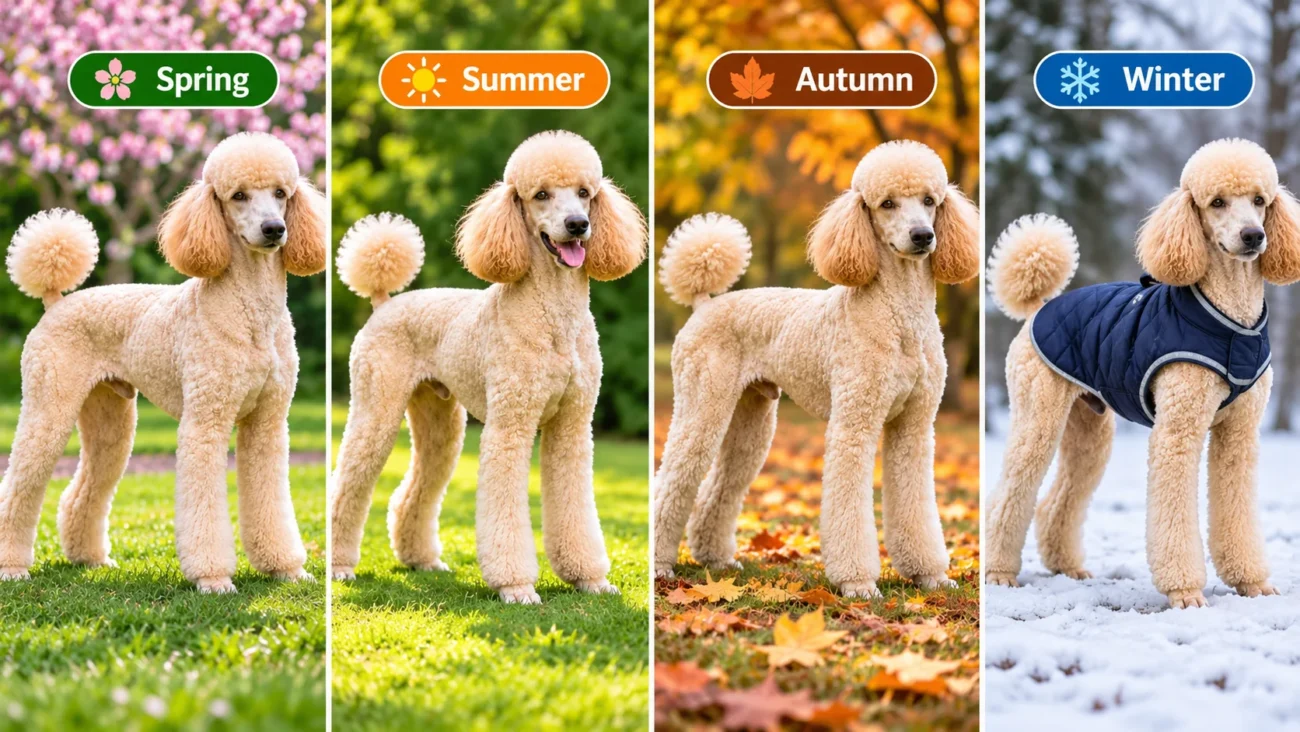
A sporting cut can be maintained throughout the year on an appropriate coat, but its length should reflect the dog’s environment and individual needs.
During warm weather, a manageable coat may simplify cleanup after outdoor activities. However, cutting hair extremely short is not a substitute for shade, drinking water, rest, and avoiding excessive heat.
During colder months, retaining additional coat length may be helpful for dogs that spend substantial time outdoors.
Small, elderly, or cold-sensitive dogs may also benefit from suitable protective clothing during winter outings.
Related Grooming Tool
Stainless Steel Dog Grooming Comb
A grooming comb helps identify hidden tangles around the ears, legs, and other areas where a sporting cut may retain longer hair.
As an Amazon Associate, we earn from qualifying purchases.
Frequently Asked Questions
Does a sporting cut stop a dog from shedding?
No. A sporting cut shortens existing hair but does not change the dog’s natural shedding cycle. Regular brushing remains necessary.
Can a puppy get a sporting cut?
Yes, puppies with suitable coats can gradually transition to a sporting-style trim. Early grooming should prioritize comfort, gentle handling, and positive experiences rather than complicated styling.
Is a sporting cut allowed in Poodle dog shows?
The American Kennel Club permits the formal sporting clip in specific classes and a noncompetitive parade. It is not generally an accepted replacement for the required adult regular conformation clips. Rules differ between registries.
Does a sporting cut require a shaved face?
The traditional Poodle sporting clip includes a closely clipped face, but modified pet sporting cuts can retain a soft muzzle or rounded facial hair.
Will a sporting cut change my dog’s natural coat texture?
Clipping changes the length and appearance of existing hair. Its effect on subsequent coat appearance depends on coat type, growth patterns, and grooming technique.
Is a field cut the same as a sporting cut?
The names sometimes overlap in pet grooming. A field cut usually emphasizes practical outdoor maintenance, whereas the formal Poodle sporting clip follows a specific grooming pattern.
Conclusion
A sporting cut for dogs combines practical coat maintenance with a neat, athletic appearance. It is particularly suitable for Poodles and selected dogs with compatible coat types.
Choose a finished length that reflects your dog’s coat condition, activity level, climate, and brushing routine. A well-planned sporting cut should make everyday grooming easier while preserving comfort and appropriate coat coverage.


