
Quick Answer
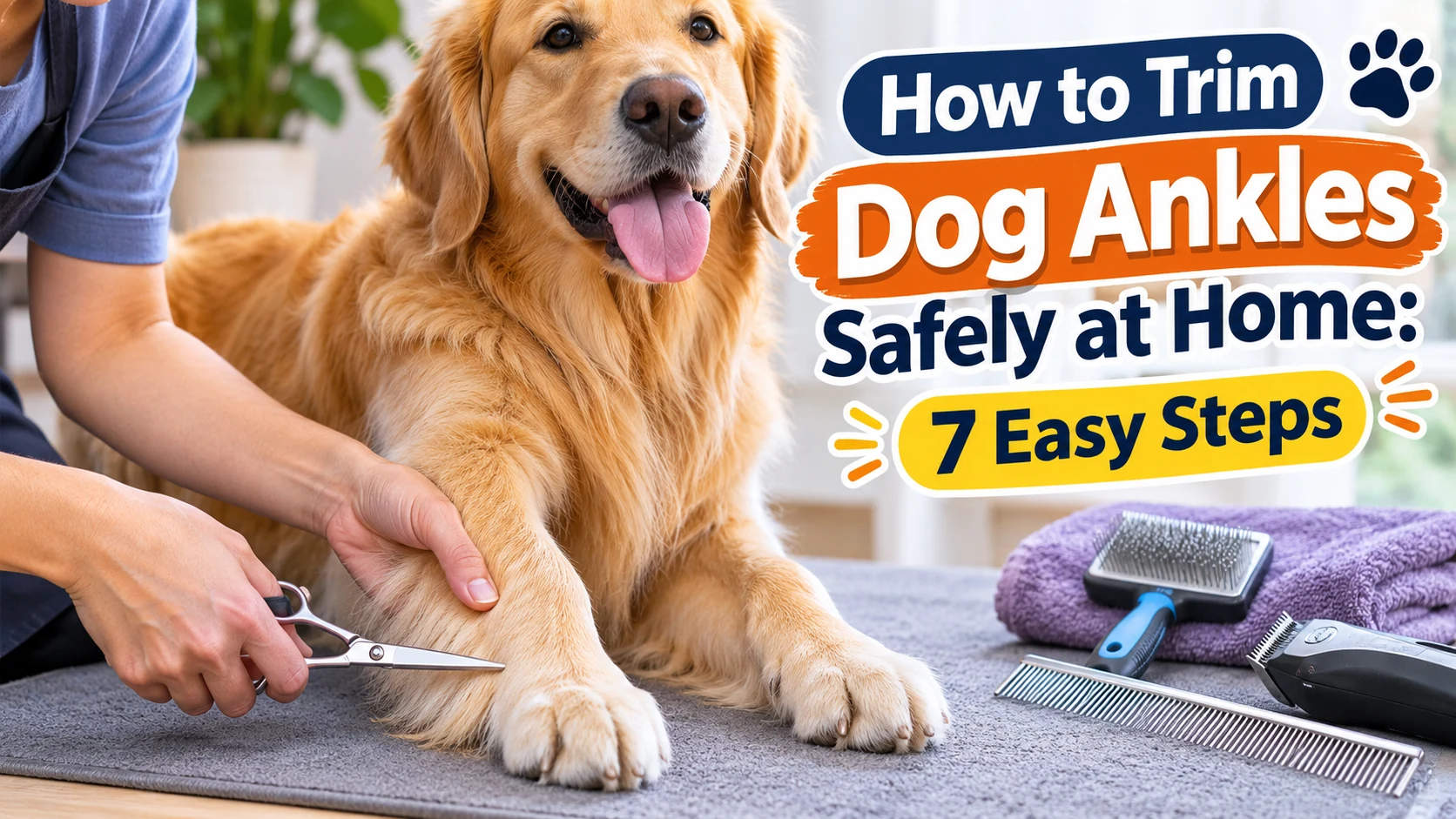
To trim dog ankles safely, brush the leg hair, inspect the skin, and identify the hair that needs tidying. Use a comb and appropriate rounded-tip grooming shears only on clearly visible, loose hair, making small cuts away from the skin. Avoid cutting mats or shaving around joints without professional training. The American Kennel Club’s grooming guidance also recommends professional instruction before trimming sensitive areas.
7 quick steps to tidy ankle hair
- 1. Prepare: Choose a quiet, well-lit area with nonslip footing.
- 2. Inspect: Check for redness, swelling, wounds, and painful mats.
- 3. Brush: Gently remove loose tangles and separate the ankle hair.
- 4. Position: Keep the dog standing comfortably without twisting the leg.
- 5. Trim: Shorten only visible excess hair using controlled, small cuts.
- 6. Blend: Comb the coat and soften uneven edges without cutting close to the skin.
- 7. Check: Examine both ankles and reward your dog.
Safety rule: Stop if your dog pulls away, shows discomfort, or you cannot clearly see the skin and cutting area.
Long hair around a dog’s ankles can collect dirt, form tangles, and make the legs look untidy. Learning how to trim dog ankles safely helps you maintain a neat coat without sacrificing comfort.
The key is knowing where to trim and when to stop. This guide explains the tools, preparation, trimming steps, and common mistakes to avoid.
What Does Trimming Dog Ankles Mean?
Trimming dog ankles means shortening excess fur around the lower legs, just above the paws. The goal is to maintain a comfortable, tidy coat while preserving the dog’s natural leg shape.
The term “ankle” is informal in dog grooming. On the rear leg, the prominent joint above the paw is the hock, while the front leg has a corresponding lower-leg region associated with the wrist, or carpus.
Why does ankle hair need attention?
Long-haired dogs may develop tangles where leg feathering meets the paws. This hair can also collect grass, mud, and other outdoor debris.
Regular brushing is often enough. Trimming becomes useful when excess hair repeatedly tangles or interferes with easy coat maintenance.
- Cleaner legs: Shorter excess fur may collect less mud and debris.
- Easier brushing: A tidy outline makes routine combing simpler.
- Fewer tangles: Maintaining loose leg hair helps prevent new knots.
- Neater appearance: Light trimming preserves the dog’s natural shape.
- Better inspection: Grooming provides an opportunity to examine hidden skin problems.
Not every dog needs ankle trimming. Short-coated breeds usually require little more than basic cleaning and inspection.
Which Tools Are Safest for Trimming Dog Ankles?
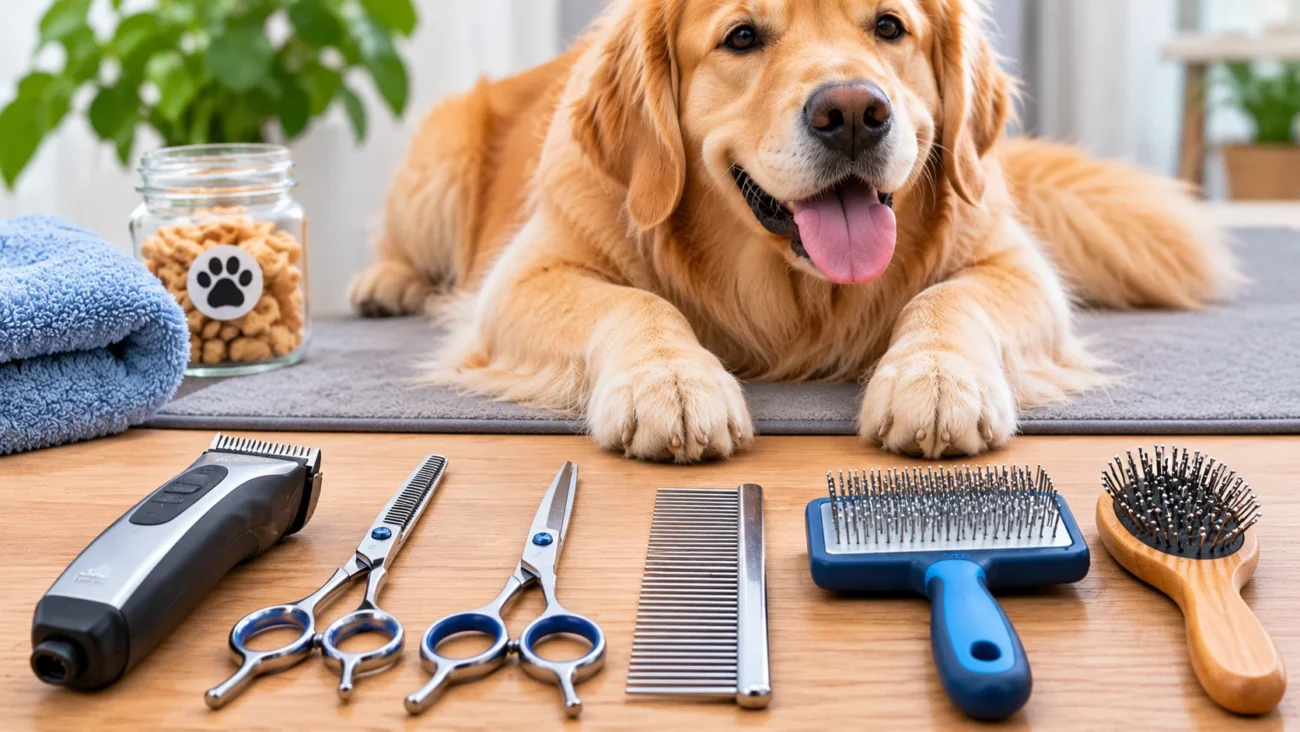
The safest tools depend on your dog’s coat, movement, and tolerance for handling. A comb and brush are essential, while cutting tools should be used only with appropriate training and control.
For beginners, brushing and removing loose tangles are better starting points than cutting near the ankle joint.
Essential ankle-grooming supplies
- Metal grooming comb: Separates hair and reveals remaining tangles.
- Soft slicker brush: Removes loose fur from longer coats.
- Rounded-tip grooming shears: Suitable for small, visible finishing cuts when used correctly.
- Thinning shears: Help trained handlers soften thick coat edges.
- Pet grooming clippers: Useful for suitable coat types when the handler has proper training.
- Nonslip mat: Gives the dog secure footing.
- Small treats: Reward calm behavior during grooming.
Dog ankle grooming tool comparison
| Tool | Best use | Safety consideration |
|---|---|---|
| Metal comb | Checking and separating hair | Avoid pulling painful tangles |
| Slicker brush | Removing loose coat | Use light pressure |
| Rounded-tip shears | Minor outline trimming | Keep blades away from skin |
| Thinning shears | Blending long feathering | Requires controlled technique |
| Pet clippers | Trimming appropriate coats | Training and blade temperature checks required |
Household scissors aren’t suitable substitutes for proper grooming tools. Their shape and sharp points make accidental injury more likely.
The PetMD home grooming guide emphasizes care around hocks and other areas with thin or flexible skin.
What Should You Check Before Trimming Dog Ankle Hair?
Before trimming, examine the skin, coat, and movement of each leg. Never begin cutting simply because the hair looks long.
Dogs sometimes hide discomfort. A careful inspection helps you recognize problems that need professional attention.
Inspect the skin and joints
- Look for redness, swelling, cuts, or irritated patches.
- Check whether any hair is tightly matted against the skin.
- Watch for limping or unusual sensitivity.
- Check the dewclaw area without pulling the leg.
- Look for grass seeds or foreign material caught in the fur.
If the leg seems painful or swollen, stop grooming and contact your veterinarian. Cosmetic trimming should never take priority over an injury.
Prepare your dog for handling
Start by touching the legs gently and rewarding relaxed behavior. Brief handling sessions help your dog become comfortable with paw and ankle contact.
Don’t force a dog to remain still. Fearful movement increases the risk of accidental cuts.
- Choose a quiet room without distractions.
- Place a nonslip mat on the floor.
- Arrange grooming tools within reach.
- Let your dog sniff the comb and brush.
- Reward calm behavior before introducing cutting tools.
The ASPCA’s dog grooming tips recommend helping dogs become comfortable with having their feet handled.
How to Trim Dog Ankles in 7 Safe Steps
To trim dog ankles, work slowly from a clean, brushed coat and remove only the excess hair you can clearly identify. These steps focus on minor maintenance, not close clipping or removing difficult mats.
If you’ve never used grooming shears, ask a professional groomer to demonstrate the technique first. That instruction is especially important around the lower-leg joints.
Step 1: Clean and dry the lower legs
Remove mud and surface debris using a damp cloth or suitable dog shampoo when necessary. Dry the coat thoroughly before assessing the trimming outline.
Wet fur clumps together and can make uneven areas harder to recognize. Clean, dry hair is easier to comb and shape.
Step 2: Brush the ankle hair gently
Use a suitable brush to separate loose hair, then check the area with a metal comb. Work in the direction of natural coat growth.
Don’t pull knots or drag a comb through painful tangles. Stop and seek professional help if the coat is tightly matted.
Step 3: Identify the natural ankle outline
Allow your dog to stand naturally and examine the lower leg from the side. Identify the loose hair extending beyond the desired outline.
Avoid trying to create an unnaturally narrow ankle. Preserve the coat’s natural coverage and movement.
Step 4: Keep the leg comfortably positioned
Support your dog without pulling or twisting the leg. Keep the paw on a stable surface whenever possible.
Don’t force the rear leg backward or lift it beyond a comfortable range. Senior dogs and dogs with joint problems may need professional handling.
Step 5: Trim only the visible excess hair
With appropriate training, make small, controlled cuts in loose hair that is clearly separated from the skin. Keep the cutting blades directed away from the ankle and paw.
Stop between cuts to reassess the outline. Never cut into thick fur when you cannot identify what lies underneath.
- Work on one small area at a time.
- Keep sharp tools away from moving joints.
- Avoid cutting directly against the skin.
- Never cut tightly attached mats with scissors.
- Stop immediately when your dog moves unexpectedly.
Step 6: Comb and blend the ankle outline
Comb the trimmed hair downward to reveal uneven ends. If necessary, make only minor finishing adjustments to safely separated hair.
Don’t repeatedly cut the same area to achieve perfect symmetry. A natural, slightly uneven finish is safer than excessive trimming.
Step 7: Check the result and reward your dog
Examine both lower legs for loose clippings, redness, or signs of irritation. Confirm that your dog stands and walks normally.
Finish with praise and a treat. Positive experiences make future grooming sessions easier.
How Should You Trim Front Ankles vs. Back Ankles?
Front and rear lower legs have different joint structures. That difference matters because the skin and surrounding hair may move differently during grooming.
Front ankle area
The front lower-leg region includes the carpus, commonly called the wrist. Many long-haired dogs develop feathering along the back of this area.
Focus on brushing and tidying loose outer hair. Avoid cutting around the dewclaw or flexible skin folds.
Rear ankle and hock area
The hock is the prominent joint on the rear leg above the paw. Hair around this joint may form thick feathering or collect tangles.
Preserve the natural hock outline and avoid close trimming. Thin skin and sudden leg movement make this area particularly sensitive.
| Area | Main concern | Recommended approach |
|---|---|---|
| Front ankle | Dewclaws and flexible skin | Light outline trimming |
| Rear hock | Joint movement and thin skin | Preserve natural feathering |
How Should You Trim Different Dog Coat Types?
Coat type determines how much ankle hair should be removed. A technique suitable for a curly coat may be unnecessary for a short-coated breed.
Long-haired and feathered coats
Golden Retrievers, Cocker Spaniels, and similar breeds can develop long lower-leg feathering. Gentle combing and occasional outline maintenance usually work better than aggressive cutting.
Keep enough length to preserve the breed’s natural appearance. Remove only excess hair that causes maintenance problems.
Curly coats
Poodles and many curly-coated mixes need thorough combing because tangles can hide beneath the outer coat. Regular professional grooming helps maintain a manageable coat length.
A trained groomer can establish the ankle outline. Home maintenance should focus on keeping the existing cut clean and free of tangles.
Double coats
Double-coated dogs have a protective outer coat and an insulating undercoat. Avoid shaving their lower legs for cosmetic reasons without breed-specific professional advice.
Brush out loose hair and preserve the natural coat structure. Trim only when there’s a clear grooming need.
Short, smooth coats
Short-coated dogs rarely need ankle haircuts. Washing, brushing, and checking the paws are usually sufficient.
Unnecessary cutting can irritate the skin. Leave healthy short fur alone.
What Are the Most Common Dog Ankle Trimming Mistakes?
The biggest mistake is cutting before checking the skin and coat. Ankle hair can hide joint contours, tangles, and sensitive tissue.
- Cutting too close: Removing unnecessary coat can expose sensitive skin.
- Using household scissors: Sharp points increase injury risk.
- Cutting mats: Tight mats can pull skin into the cutting area.
- Forcing the leg: Twisting joints can cause discomfort or injury.
- Ignoring stress: A nervous dog may jerk away from grooming tools.
- Rushing the finish: Repeated correction can remove too much hair.
For difficult mats, professional removal is the safer choice. The RSPCA’s grooming guidance recommends professional assistance when mats are close to the skin or cannot be removed safely.
How Do You Keep Dog Ankle Hair Tidy Between Trims?
Regular brushing reduces the need for frequent cutting. Check the ankle hair after muddy walks or outdoor play.
A practical maintenance routine is simple and adaptable to the coat.
- After outdoor walks: Remove mud, grass, and trapped debris.
- During regular brushing: Comb the lower-leg feathering gently.
- After bathing: Dry the ankle hair thoroughly.
- During coat inspections: Look for new tangles or irritated skin.
- Before professional grooming: Tell the groomer where tangles develop.
Some coats require daily attention, while others need less frequent brushing. Base your schedule on coat length, activity, and the rate at which tangles return.
When Should a Groomer or Veterinarian Trim Dog Ankles?
Professional assistance is appropriate whenever grooming becomes painful, stressful, or difficult to control. Some conditions need veterinary assessment before anyone trims the coat.
When to choose a professional groomer
- Tightly tangled or matted ankle hair
- Thick curly coats requiring precise shaping
- Dogs that repeatedly pull their paws away
- Uncertainty about safe clipper or shear handling
- Complex breed-specific grooming requirements
When to contact a veterinarian
- Swollen or painful ankle joints
- Bleeding, open wounds, or unusual skin lesions
- Persistent licking or chewing of the lower legs
- Limping or difficulty bearing weight
- Signs of infection, including discharge or increasing redness
Don’t attempt to groom over an unexplained lump or painful area. A veterinarian should examine the problem first.
Which Grooming Tools Are Worth Considering?
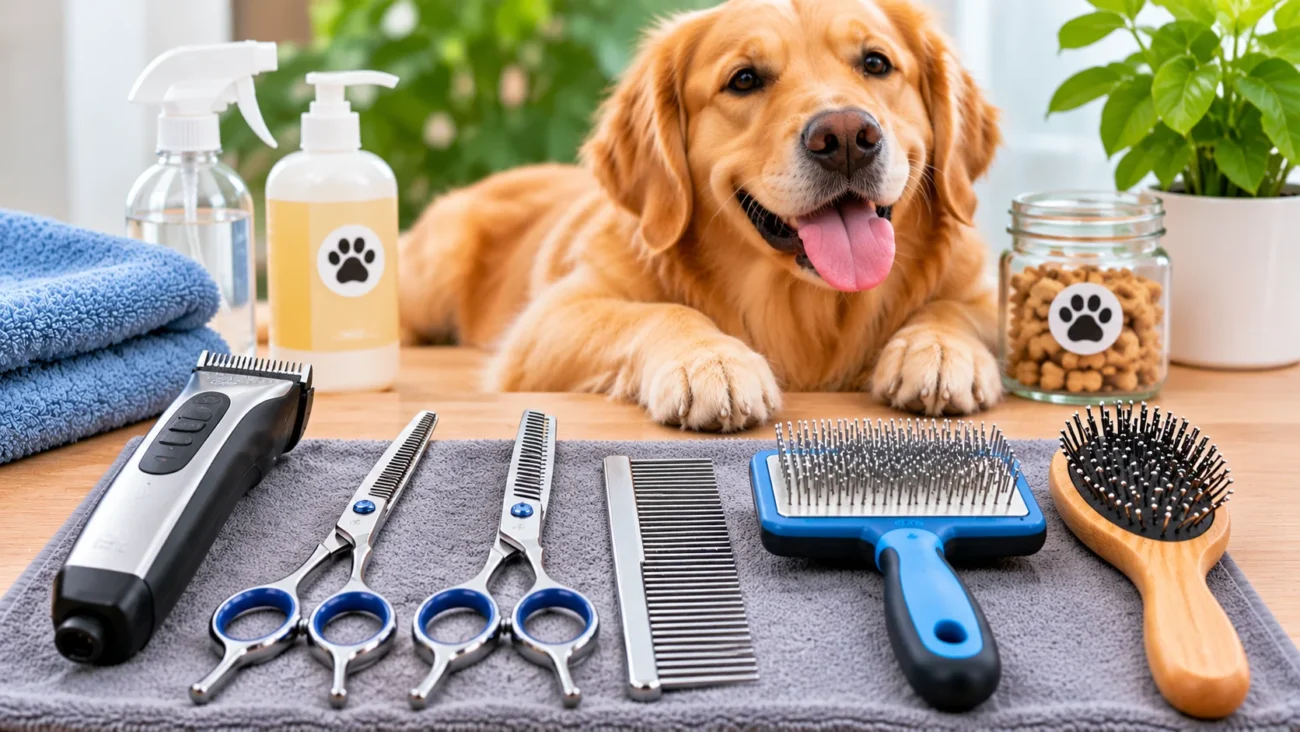
If you’re building a basic grooming kit, start with a reliable comb and brush. Cutting equipment is an optional addition after you’ve learned safe handling from a professional.
The following are established grooming products worth comparing, rather than personally tested or independently rated winners.
Best for combing
Andis Steel Pet Comb
A metal grooming comb for separating longer hair and locating tangles before trimming. It’s a practical first tool because checking the coat matters more than cutting it.
Best for detangling
Chris Christensen Big G Slicker Brush
A slicker brush designed for coat maintenance and detangling, especially on longer coats. Choose the size appropriate for your dog and use gentle pressure around bony areas.
For trained clipper users
Wahl Bravura Lithium Ion Clipper
A cordless grooming clipper with an adjustable blade system. It’s a tool to consider after professional instruction, not a reason to attempt close hock clipping as a beginner.
Affiliate disclosure: This article contains affiliate links. A qualifying purchase may earn a commission at no additional cost to you.
Frequently Asked Questions About Trimming Dog Ankles
Can I trim my dog’s ankle hair with scissors?
Minor trimming of loose, clearly visible hair may be possible with suitable rounded-tip grooming shears and proper training. Never use household scissors or cut into mats close to the skin. If your dog moves unexpectedly or you can’t identify the skin beneath the fur, ask a groomer for help.
How often should I trim my dog’s ankles?
There’s no universal trimming schedule. Some long-haired dogs need occasional tidying between professional appointments, while short-coated dogs rarely need ankle trimming. Brush regularly and trim only when excess hair becomes difficult to maintain. Your groomer can recommend an interval for your dog’s coat.
Should I shave the hair around my dog’s hocks?
Routine close shaving around the hocks is generally unnecessary. The area includes a moving joint and skin that can be injured by improper clipper technique. Preserve normal coat coverage unless a veterinarian or qualified groomer recommends another approach for hygiene, health, or a specific grooming style.
What if my dog won’t let me touch its ankles?
Stop the trimming attempt and work on gentle handling exercises without sharp tools. Reward brief, relaxed contact with the lower legs and gradually build tolerance. If your dog shows fear, pain, or aggression, consult a qualified professional instead of forcing the procedure.
Can ankle hair cause skin problems?
Long ankle hair doesn’t automatically cause skin disease. However, tightly matted fur can trap debris, pull on the skin, and hide irritation. Regular brushing and inspection help you recognize problems early. Consult your veterinarian if you notice persistent redness, swelling, discharge, or discomfort.
Final Thoughts: Keep Dog Ankle Trimming Simple and Safe
Learning to trim dog ankles starts with understanding the lower-leg anatomy and your dog’s coat. For most owners, careful brushing and occasional minor outline maintenance are more useful than an aggressive haircut.
Choose suitable tools, work slowly, and respect your dog’s comfort. When fur is matted, joints seem painful, or safe cutting feels uncertain, let a professional handle the difficult work.
Start with a gentle ankle inspection today. A clean, comfortable coat is more important than perfectly shaped fur.


