
Quick Answer
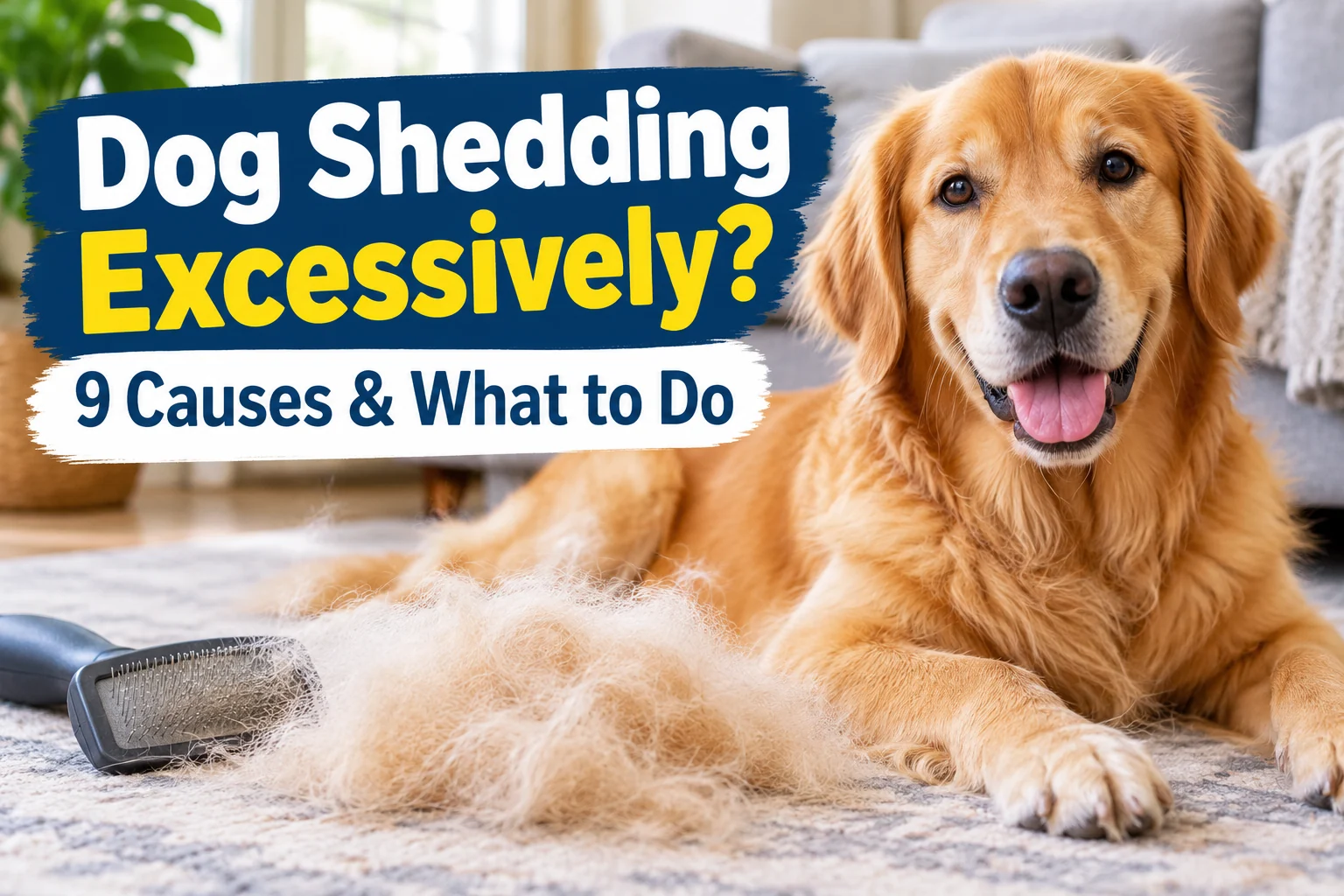
If your dog is shedding excessively, seasonal coat changes, breed characteristics, stress, or grooming habits may explain the extra fur. However, sudden shedding accompanied by bald patches, itching, redness, skin sores, or changes in appetite and energy can indicate a health problem. Check your dog’s skin, compare the shedding with their usual pattern, and contact a veterinarian if anything appears abnormal.
Finding dog hair on the couch, floors, and clothing is normal for many pet owners. But when your dog suddenly leaves thick clumps of fur everywhere, it is reasonable to wonder whether something has changed.
The important distinction is between a dog naturally releasing old hair and one losing hair because of skin irritation or illness. Those situations may look similar at first, but they require different responses.
Before buying another shedding brush or changing your dog’s food, check the skin underneath the coat. That simple observation can help you decide whether routine grooming is appropriate or a veterinary appointment should come first.
How Can You Tell if Your Dog Is Shedding Too Much?
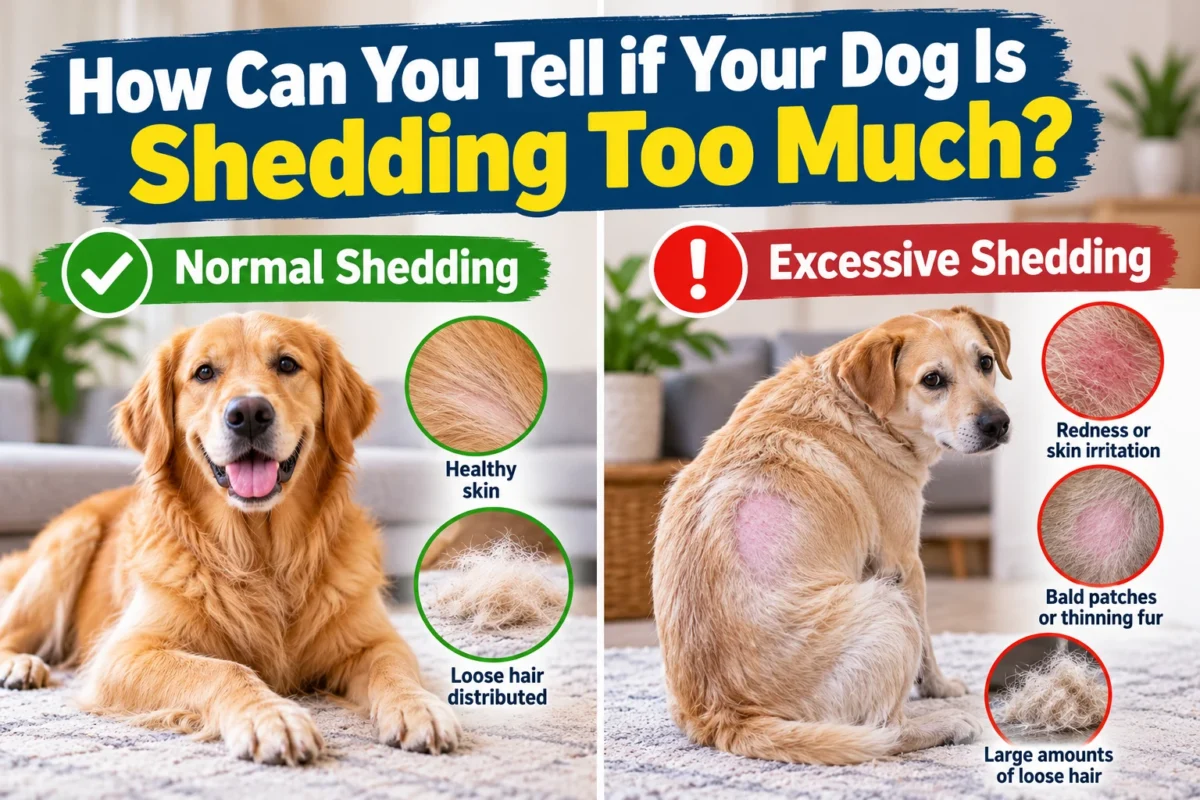
Your dog may be shedding too much if the amount is noticeably greater than their usual pattern, especially when it comes with thinning fur or unhealthy-looking skin.
There is no universal amount of hair that counts as excessive shedding. A Siberian Husky releasing large amounts of loose undercoat may be experiencing a normal seasonal change. The same sudden increase in a dog that rarely sheds deserves closer attention.
Use your dog’s usual coat condition as the baseline rather than comparing their shedding with another breed.
| Often Normal | Potentially Concerning |
|---|---|
| Loose hair distributed across the coat | Distinct bald patches or visible thinning |
| Skin looks healthy underneath | Redness, scaling, sores, or crusting |
| Expected seasonal shedding | Unexplained, persistent change in shedding |
| Normal activity and appetite | Weight changes, low energy, or excessive thirst |
These signs provide guidance, not a diagnosis. According to the Merck Veterinary Manual’s guide to hair loss in dogs, visible bald areas, inflammation, itching, and changes in skin appearance can help distinguish abnormal hair loss from natural coat replacement.
What Causes a Dog to Shed Excessively?
Excessive shedding can have several causes. Some involve normal hair growth cycles, while others affect the skin, hair follicles, or overall health.
1. Seasonal Coat Changes
Seasonal shedding is one of the most common explanations for a sudden increase in loose fur, particularly in double-coated dogs.
Breeds such as German Shepherds, Huskies, and Golden Retrievers may release substantial amounts of undercoat as daylight and environmental conditions change. This is sometimes called blowing the coat.
A large pile of brushed-out undercoat does not automatically indicate illness if the remaining coat is healthy and the skin looks normal.
2. Breed and Coat Type
Some dogs naturally shed throughout the year. Labrador Retrievers and many short-coated breeds can leave noticeable hair around the home even without a seasonal coat blow.
Hair length alone does not determine shedding. Coat density, undercoat characteristics, and hair growth cycles matter more.
If your dog has always shed heavily without developing thin areas or skin problems, their normal coat cycle may explain much of the fur you see.
3. Fleas, Mites, and Other Parasites
Parasites can trigger itching, irritation, scratching, and resulting hair loss. Flea allergy dermatitis can produce significant discomfort even when owners do not notice many fleas.
Look for persistent scratching, chewing, small scabs, or irritated areas, especially around the lower back and tail base.
Not every parasite is visible. Mange mites, for example, may require veterinary testing.
4. Environmental or Food Allergies
Dogs with allergies may scratch, lick, rub, or chew themselves repeatedly. That damage can cause thinning fur that owners initially mistake for ordinary shedding.
Environmental triggers may include pollen or other allergens. Food allergies are possible, but itching alone does not establish that food is responsible.
Repeated paw licking, ear problems, or irritated skin can provide useful clues for your veterinarian.
5. Skin Infections
Bacterial or fungal skin infections can interfere with coat health and produce localized hair loss.
Possible signs include an unusual odor, greasy skin, crusts, redness, circular areas of missing fur, or uncomfortable patches.
Because different infections require different treatments, avoid choosing medicated products based only on appearance.
6. Nutritional Imbalances
Healthy hair growth requires adequate protein, essential fatty acids, vitamins, minerals, and calories.
A nutritionally inadequate diet may contribute to a dull coat, skin changes, and excessive shedding. However, extra fur around the house does not prove a dietary deficiency.
Choose a complete and balanced diet appropriate for your dog’s life stage and discuss suspected nutritional problems with your veterinarian before adding supplements.
7. Stress or Environmental Changes
Stress may temporarily increase shedding in some dogs. Veterinary visits, travel, unfamiliar surroundings, and major household changes can be associated with increased hair release.
Consider whether the change began around a stressful event. If shedding persists, or skin and coat abnormalities appear, do not assume anxiety is the only explanation.
8. Hormonal or Internal Health Conditions
Conditions such as hypothyroidism and Cushing’s disease can affect hair growth and lead to coat thinning or hair loss.
Depending on the condition, additional signs may include weight changes, altered energy, increased drinking or urination, or changes in skin texture.
These conditions cannot be identified through shedding patterns alone. Veterinary examination and appropriate diagnostic testing are needed.
9. Irritating Grooming Products or Techniques
Harsh shampoos, excessive bathing, aggressive brushing, and unsuitable deshedding tools can irritate skin or damage hair.
Human shampoo is generally not appropriate for routine dog bathing. Choose dog-formulated products, rinse thoroughly, and use brushes suited to the coat.
If grooming makes your dog’s skin red or uncomfortable, stop and reassess the technique.
When Should You Worry About Excessive Dog Shedding?
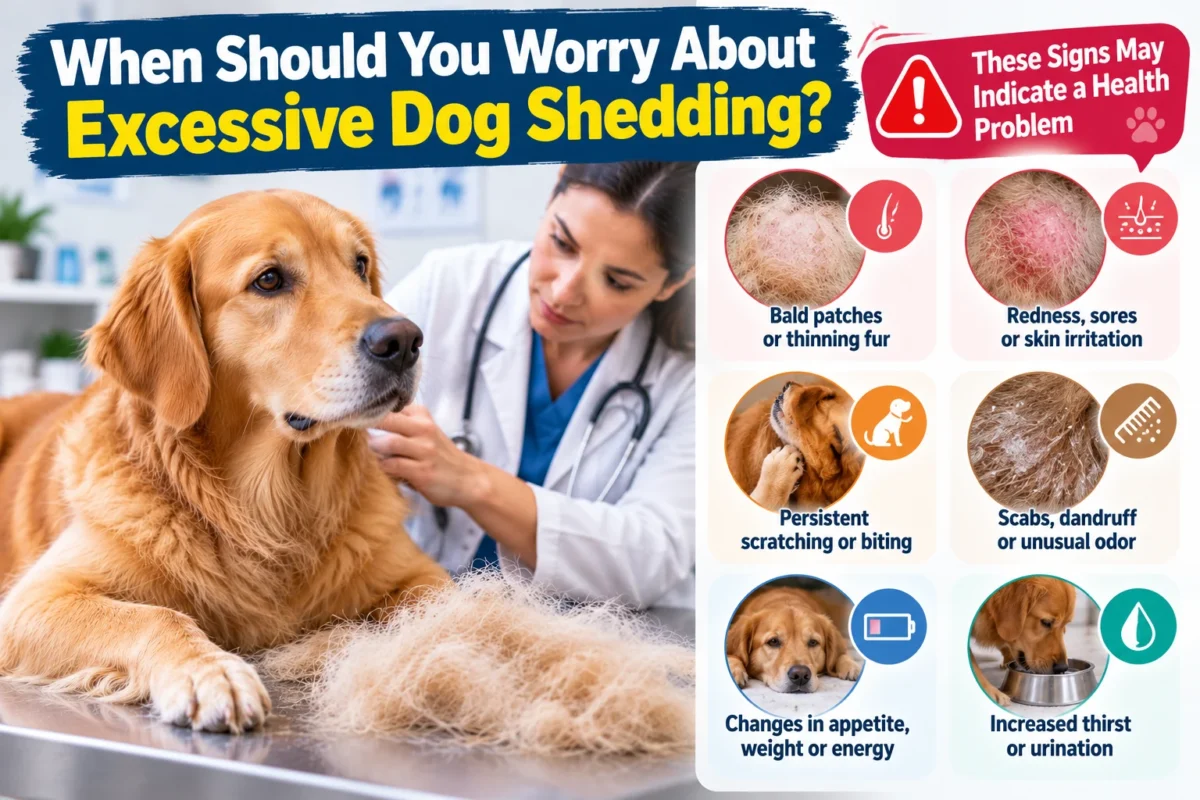
Arrange a veterinary examination when shedding becomes unusually heavy without an obvious explanation, particularly if it continues or the coat begins thinning.
More concerning symptoms include:
- Bald patches or rapidly expanding areas of missing fur.
- Persistent scratching, biting, or rubbing.
- Red, painful, bleeding, or oozing skin.
- Scabs, significant dandruff, or an unusual odor.
- Unexplained weight or appetite changes.
- Increased thirst, increased urination, or reduced energy.
When to Seek Veterinary Care
Contact your veterinarian promptly for painful, bleeding, infected-looking skin or rapidly progressing hair loss. If your dog also appears severely unwell, seek urgent veterinary advice. Do not delay treatment while experimenting with home grooming remedies.
The veterinarian-reviewed PetMD guide to excessive shedding also identifies skin abnormalities, itching, unusual hair loss, and systemic symptoms as reasons for veterinary assessment.
What Should You Do if Your Dog Suddenly Starts Shedding More?
Start by checking for symptoms rather than immediately trying to remove more fur.
- Compare the shedding with your dog’s baseline. Note whether the increase is seasonal, gradual, or sudden.
- Inspect the skin. Gently part the fur around the back, belly, legs, ears, and tail base. Check for redness, sores, parasites, or thinning patches.
- Watch for scratching or licking. Frequent rubbing, chewing, or paw licking may indicate irritation.
- Review recent changes. Consider diet changes, new shampoos, stressful events, and parasite prevention history.
- Document what you find. Photos of thinning areas and notes about symptoms can help your veterinarian evaluate changes.
- Choose the next action. If your dog seems healthy and the change fits normal seasonal shedding, use gentle grooming. If warning signs are present, arrange veterinary care.
A useful distinction is whether loose fur comes away while the remaining coat stays full, or whether visible skin and thin patches are appearing. The second situation deserves more investigation.
How Can You Safely Reduce Dog Shedding at Home?
Once medical concerns have been excluded, consistent grooming can remove loose hair before it spreads through your home. It cannot permanently stop the natural shedding cycle.
Choose the Right Brush
Different coat types require different tools. A rubber grooming mitt may work well for a short, smooth coat, while an appropriate undercoat rake can help loosen dead undercoat in some double-coated breeds.
Use light pressure and follow the coat’s direction. Avoid repeatedly scraping the same area or forcing a brush through tangles.
Establish a Gentle Grooming Routine
Brush according to your dog’s coat condition and tolerance. Some heavy shedders benefit from frequent short sessions during seasonal coat changes, while other dogs need less frequent brushing.
Check the skin regularly and stop if your dog becomes uncomfortable. A professional groomer can help determine a suitable technique.
Bathe Only as Needed
Bathing with a suitable dog shampoo can loosen dirt and dead hair. However, frequent washing or incomplete rinsing may aggravate sensitive skin.
Bathing frequency should reflect the dog’s coat, activity level, skin condition, and veterinary or groomer guidance.
Support Coat Health Through Nutrition
Feed a nutritionally complete diet, provide fresh drinking water, and maintain recommended parasite prevention.
Avoid assuming that fish oil, vitamins, or other supplements will solve unexplained shedding. Supplements may be inappropriate for some dogs and should address a genuine nutritional or medical need.
Practical Grooming Tip
During heavy seasonal shedding, several comfortable, short brushing sessions may be easier on your dog than one prolonged session. Removing a large amount of loose fur does not mean you should keep brushing until no hair appears.
What Should You Avoid When Your Dog Is Losing Too Much Fur?
Avoid treating all shedding as a grooming problem. Removing hair cannot correct allergies, parasites, infections, or hormonal conditions.
Do not shave a double-coated dog simply to stop shedding without discussing the dog’s coat needs with a qualified professional. Shaving does not eliminate the hair growth cycle and can create coat-management problems.
Also avoid using human shampoo, applying unprescribed medicated treatments, brushing irritated skin aggressively, or making repeated dietary changes without a clear reason.
If your dog has unexplained bald patches or skin lesions, prioritize finding the cause over removing more hair.
Frequently Asked Questions About Excessive Dog Shedding
Can a Dog Shed Excessively Without Being Sick?
Yes. Some healthy dogs shed heavily because of seasonal coat changes or their natural coat type. Healthy skin, a full remaining coat, and normal behavior are reassuring signs, although they do not rule out every medical concern.
Why Is My Dog Shedding So Much After a Bath?
Bathing and drying can loosen dead hair already present in the coat, making shedding more noticeable afterward. If the skin becomes red, itchy, or irritated, the bathing products or technique may be contributing to a problem.
Can Indoor Dogs Shed Heavily All Year?
Yes. Some dogs naturally shed year-round, and indoor lighting and temperature conditions may influence their coat cycles. A sudden change from the dog’s usual pattern still deserves attention.
Does Excessive Shedding Always Cause Bald Spots?
No. Natural heavy shedding can produce large amounts of loose fur without leaving bald areas. Distinct patches of missing hair suggest abnormal hair loss and should be evaluated by a veterinarian.
Can Changing Dog Food Reduce Shedding?
Changing food may help if an inadequate diet contributes to poor coat health. However, a food change will not necessarily reduce normal seasonal shedding or treat other causes of hair loss.
How Long Does Excessive Dog Shedding Last?
The duration depends on the cause. Seasonal shedding may continue for several weeks, while shedding associated with skin disease or another health problem may persist until that condition is managed. There is no single normal duration for every dog.
Final Thoughts
If your dog is shedding excessively, begin by looking at what has changed. Seasonal shedding and coat type can explain substantial amounts of loose fur, but unusual itching, bald patches, irritated skin, or other health changes require more attention.
For healthy dogs, appropriate brushing, gentle bathing, and balanced nutrition can make shedding easier to manage. When the cause is uncertain, identifying the underlying problem is more important than trying to remove every loose hair.


