
Quick Answer
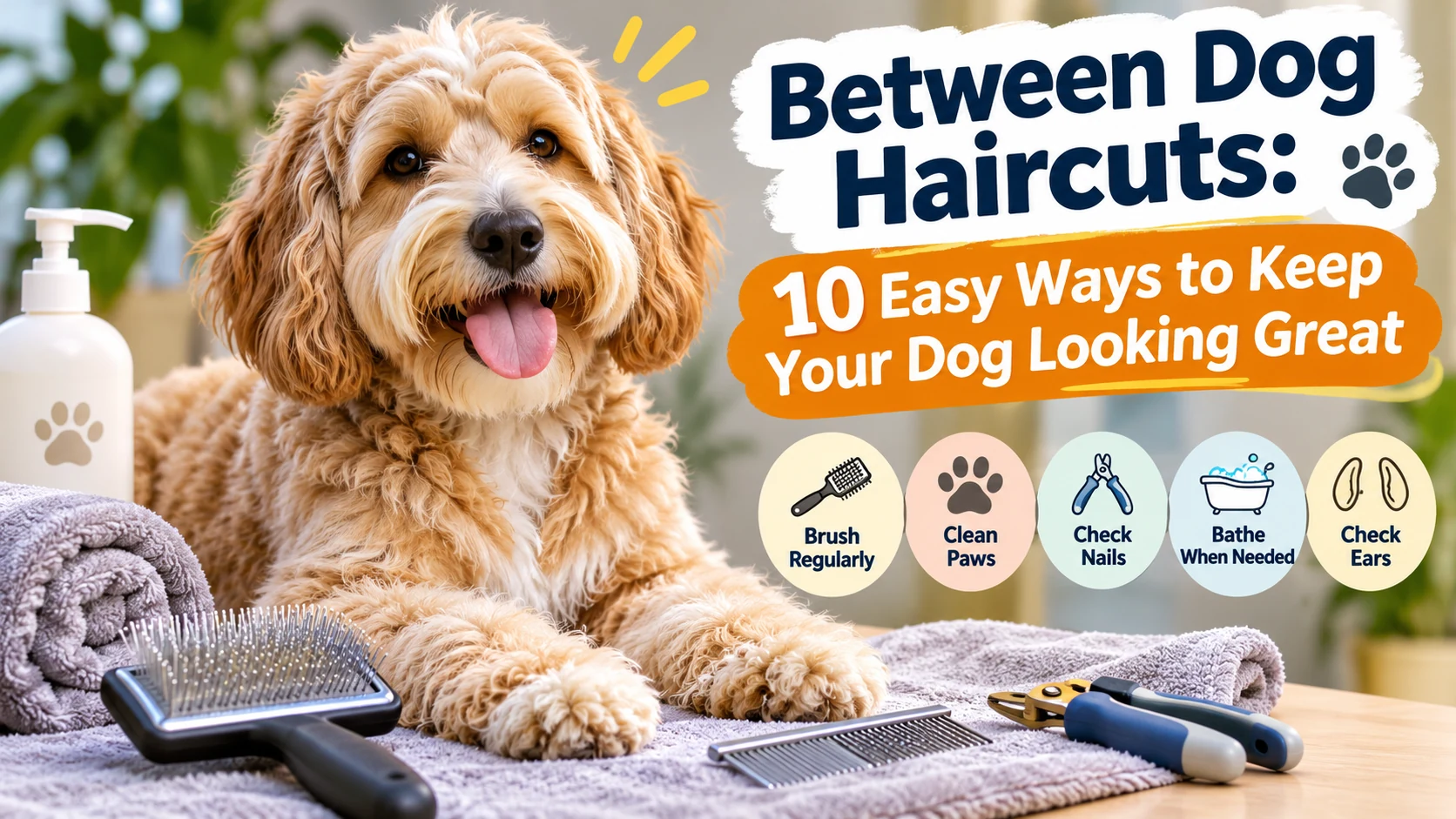
Between dog haircuts, keep your dog comfortable and tidy with regular brushing, gentle cleaning, nail checks, and careful coat maintenance. Most long or curly coats need daily attention, while many shorter coats need less frequent brushing. Follow a consistent routine and use safe dog grooming practices to prevent mats, discomfort, and unnecessary grooming problems.
10 Essential Between-Haircut Grooming Habits
- Brush regularly: Remove loose hair and prevent tangles before they tighten.
- Check problem areas: Inspect behind the ears, under the legs, and around the collar.
- Clean the face: Gently wipe away food residue and ordinary eye-area debris.
- Maintain clean paws: Remove dirt and inspect between the toes after walks.
- Monitor nail length: Arrange safe trimming before nails become uncomfortable.
- Check ears and skin: Watch for redness, odor, irritation, or unusual discharge.
- Bathe when needed: Use dog-safe shampoo and dry the coat completely.
- Protect coat health: Avoid harsh brushing, unnecessary shaving, and unsuitable products.
- Build positive habits: Keep sessions short and reward calm cooperation.
- Book timely appointments: Schedule professional grooming before the coat becomes difficult to maintain.
A Simple Starting Point
- Daily: Check the face, paws, and easily tangled areas.
- Weekly: Inspect the skin, ears, nails, and overall coat condition.
- As needed: Bathe, arrange nail trims, and visit a professional groomer.
A fresh haircut can make almost any dog look adorable. But maintaining that neat appearance becomes more challenging once everyday walks, playtime, and growing fur enter the picture.
I believe the best grooming routine is one you can follow without stressing your dog. This guide explains practical between-haircut care, useful tools, and common mistakes worth avoiding.
What Does Grooming Between Dog Haircuts Mean?
Grooming between dog haircuts means maintaining your dog’s coat, skin, paws, and general cleanliness between professional trimming appointments. It focuses on everyday care rather than creating a completely new hairstyle.
The goal isn’t perfection. It’s helping your dog stay comfortable while preventing small grooming problems from becoming bigger ones.
Professional grooming often includes bathing, coat trimming, drying, nail care, and other services. Home maintenance supports that work but doesn’t replace professional expertise when cutting or difficult coat handling becomes necessary.
Why Is Between-Haircut Maintenance Important?
Growing hair can trap dirt, develop knots, and collect moisture. Regular grooming helps you notice these issues before they affect your dog’s comfort.
- Fewer tangles: Consistent brushing helps prevent painful mats.
- Cleaner skin: Removing debris makes the coat easier to maintain.
- Earlier problem detection: Grooming provides opportunities to notice skin changes, parasites, and unusual lumps.
- More comfortable appointments: Dogs with manageable coats may need less intensive detangling.
- Better handling tolerance: Gentle, positive sessions help dogs become familiar with routine care.
The VCA Animal Hospitals grooming guidance emphasizes regular coat care and removing tangles before bathing.
1. How Often Should You Brush Your Dog Between Haircuts?
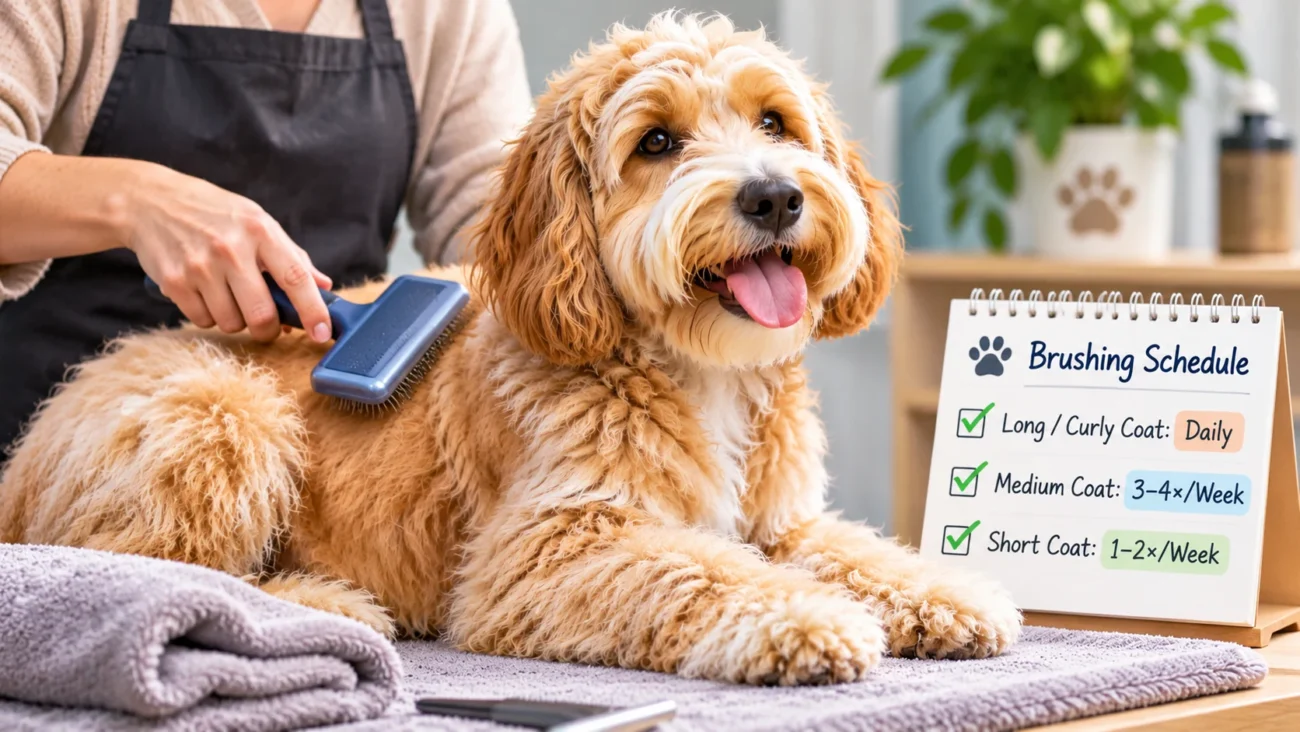
Brush your dog according to coat type, length, and tendency to tangle. Long, curly, and easily matted coats often need daily attention, while many short coats need brushing once or several times weekly.
Consistency matters more than spending an hour grooming occasionally. A few gentle minutes can help keep small tangles manageable.
Choose the Right Brush for Your Dog’s Coat
- Short, smooth coats: Try a soft bristle brush or rubber grooming mitt.
- Curly coats: Use an appropriate slicker brush followed by a metal comb.
- Long, silky coats: Choose a gentle pin or slicker brush and check with a comb.
- Dense double coats: Use a suitable undercoat tool without excessive pressure.
- Fine or sensitive coats: Select softer tools and use light strokes.
How Should You Brush Without Hurting Your Dog?
Start with small sections and follow the direction of hair growth. Support longer hair near the roots while gently separating tangles.
- Choose a quiet location with good lighting.
- Check the coat for knots before brushing.
- Work through small sections using gentle strokes.
- Pay attention to friction areas around the legs and collar.
- Use a metal comb to check whether the coat is free of tangles.
- Stop if your dog shows discomfort or irritation.
Never repeatedly scrape the skin with a slicker brush. Excessive brushing can cause irritation even when the coat looks healthy.
2. How Can You Prevent Matted Fur Between Grooming Visits?
Prevent matting by checking friction-prone areas frequently and separating loose tangles before they tighten. This is especially important for dogs with curly, long, or combination coats.
A mat is a tight cluster of tangled hair. Severe mats can pull against the skin, trap moisture, and make ordinary movement uncomfortable.
Where Do Dog Mats Usually Develop?
- Behind the ears
- Under the front legs
- Between the hind legs
- Under collars and harnesses
- Around the tail
- Between the toes
- Across areas exposed to repeated rubbing
A coat can appear smooth on top while hiding tangles closer to the skin. That’s why a gentle comb check is useful after brushing.
What Should You Do When You Find a Mat?
Small, loose tangles may separate with gentle brushing and a dog-safe detangling product. Hold surrounding hair to minimize pulling and work patiently.
Never force a comb through a painful knot. Avoid cutting mats with household scissors because folded skin can become trapped inside the hair.
If a mat is tight, extensive, or close to the skin, contact a professional groomer. Seek veterinary guidance when the area appears inflamed, wounded, or painful.
3. How Do You Keep Your Dog’s Face Clean Between Haircuts?
Keep your dog’s face tidy by gently removing food debris, dirt, and normal moisture around the muzzle and eyes. Use a soft, damp cloth or a suitable pet grooming wipe.
Facial cleaning is particularly useful for dogs with beards, long muzzle hair, or facial folds.
A Safe Face-Cleaning Routine
- Prepare a clean, soft cloth with lukewarm water.
- Wipe the muzzle and beard gently.
- Use a separate clean section for each eye area.
- Avoid rubbing the eyeballs or using irritating products.
- Dry damp facial folds and surrounding hair carefully.
Never pull dried discharge from sensitive skin. Soften ordinary crusting gently, and stop if the area looks painful.
Persistent tearing, redness, swelling, or unusual discharge needs veterinary attention. These symptoms aren’t simply cosmetic grooming problems.
Should You Trim Hair Around Your Dog’s Eyes?
Hair that obstructs vision may need professional trimming. The eye area is sensitive, and sudden movement makes home scissor use risky.
For most owners, careful cleaning and booking a face trim offer a safer approach. Ask your groomer about an easy-maintenance facial style.
4. How Should You Maintain Your Dog’s Paws and Nails?
Check your dog’s paws after walks and monitor nail growth between grooming appointments. Clean paws improve everyday comfort, while appropriate nail length supports normal movement.
Outdoor activities can leave grass seeds, small stones, mud, or other debris between the toes.
Simple Paw-Care Steps
- Inspect paw pads: Look for cracks, cuts, swelling, or embedded debris.
- Clean between toes: Remove ordinary dirt with a damp cloth.
- Dry thoroughly: Pay attention to moisture trapped between the toes.
- Check paw hair: Watch for tangles or excessive buildup.
- Monitor licking: Persistent paw licking may indicate irritation or another problem.
When Should You Trim Your Dog’s Nails?
Trim nails when their length starts affecting normal paw contact or movement. The right interval varies with activity, growth rate, and natural wear.
Some dogs need attention every few weeks. Others wear down their nails naturally and need less frequent trimming.
Only trim when you understand how to avoid the quick, which contains blood vessels and nerves. Ask a groomer or veterinarian for help when nails are dark, overgrown, or difficult to handle.
Don’t forget the dewclaws. These nails may not contact the ground and can become overgrown.
5. Should You Bathe Your Dog Between Haircuts?
Bathe your dog when the coat becomes dirty, develops an ordinary unpleasant odor, or needs cleaning for another appropriate reason. Bathing frequency depends on skin health, coat type, lifestyle, and veterinary recommendations.
More baths aren’t always better. Excessive washing or unsuitable shampoo may irritate the skin.
How to Give a Safe Maintenance Bath
- Check the coat for tangles and mats before wetting it.
- Use comfortably lukewarm water.
- Apply shampoo formulated specifically for dogs.
- Keep shampoo away from the eyes and ear canals.
- Rinse thoroughly to remove residue.
- Dry the coat completely, including dense undercoat areas.
- Brush again once the coat is appropriately dry.
Never bathe over tight mats without professional advice. Wetting tangled hair can make existing matting harder to manage.
For dogs with allergies, recurring infections, or diagnosed skin conditions, follow a veterinarian’s bathing instructions.
6. How Can You Keep Your Dog’s Ears Clean and Healthy?
Inspect your dog’s ears regularly for unusual odor, redness, discharge, or irritation. Healthy ears don’t necessarily require frequent cleaning.
Dogs with floppy ears, heavy ear hair, or frequent water exposure may need closer monitoring.
Safe Ear-Care Habits
- Look at the visible outer ear during routine grooming.
- Use only veterinarian-recommended ear-cleaning products when cleaning is needed.
- Follow the product instructions or your veterinarian’s directions.
- Never insert cotton swabs deeply into the ear canal.
- Avoid pulling ear hair without professional guidance.
Head shaking, tenderness, strong odor, or unusual discharge may indicate an ear problem. Contact your veterinarian rather than trying to conceal symptoms with cleaning products.
7. How Do You Keep Your Dog Smelling Fresh Between Haircuts?
Maintain a fresh-smelling coat through brushing, spot cleaning, and appropriate bathing. A healthy dog doesn’t need strong fragrances to smell clean.
Daily activities can transfer dirt and odors onto the coat. Removing their source works better than simply covering them.
Easy Ways to Reduce Everyday Odors
- Wash bedding: Clean blankets and sleeping areas regularly.
- Dry damp fur: Avoid leaving thick coats wet after rain or bathing.
- Clean the muzzle: Remove food residue after messy meals.
- Brush the coat: Remove loose hair and trapped debris.
- Check skin folds: Keep folds clean and dry according to veterinary advice.
- Use suitable products: Choose fragrance-free or gentle dog-safe cleaners when appropriate.
A persistent strong odor may point to skin, dental, ear, or other health problems. Arrange a veterinary examination if ordinary cleaning doesn’t help.
8. What Is the Best Grooming Schedule Between Dog Haircuts?
The best grooming schedule matches your dog’s coat, lifestyle, and comfort level. Use shorter, more frequent sessions for coats that tangle easily.
As of 2026, there’s still no single maintenance schedule that suits every dog. Coat condition provides a better guide than breed labels alone.
Between-Haircut Grooming Schedule by Coat Type
| Coat Type | Brushing Starting Point | Main Priority |
|---|---|---|
| Short, smooth | 1–2 times weekly | Loose hair and skin checks |
| Curly or woolly | Daily | Preventing close-to-skin mats |
| Long, silky | Daily | Managing knots and friction areas |
| Dense double coat | 2–3 times weekly; more during shedding | Removing loose undercoat |
| Wiry coat | 2–3 times weekly | Coat texture and loose hair |
These intervals are practical starting points, not fixed veterinary rules. Increase brushing when the coat tangles quickly or after particularly active outings.
A Manageable Weekly Routine
- Monday: Brush the body and check behind the ears.
- Tuesday: Clean the muzzle and inspect the paws.
- Wednesday: Brush friction areas and check with a comb.
- Thursday: Inspect the nails, ears, and skin.
- Friday: Complete another brushing session.
- Saturday: Spot-clean as needed and wash dirty bedding.
- Sunday: Check the overall coat and plan the next appointment.
Dogs with high-maintenance coats still need their daily brushing beyond this sample schedule. Keep each session comfortable rather than forcing lengthy grooming.
9. What Grooming Mistakes Should You Avoid Between Haircuts?
The biggest mistakes involve forcing tangled hair, using inappropriate tools, and overlooking signs of discomfort. Gentle maintenance is safer than aggressive attempts to make a coat look perfect.
Common Mistakes and Better Alternatives
- Waiting until mats become severe: Check tangled areas frequently instead.
- Brushing only the surface: Use a suitable comb to check deeper coat layers.
- Cutting mats with scissors: Ask a professional to remove tight mats safely.
- Using human shampoo: Choose products intended for dogs.
- Overusing de-shedding tools: Follow instructions and avoid damaging healthy hair.
- Shaving double coats unnecessarily: Consult a knowledgeable groomer or veterinarian first.
- Ignoring stress signals: Stop when a dog becomes frightened, painful, or overwhelmed.
- Skipping nail checks: Inspect nail length regularly, even when the coat looks tidy.
One useful principle is to judge grooming success by your dog’s comfort, not just appearance. A relaxed dog with a manageable coat is better off than a frightened dog with a perfect-looking trim.
10. When Should You Schedule Your Dog’s Next Haircut?
Schedule the next haircut when coat growth begins interfering with comfort, hygiene, or manageable daily care. Many continuously growing coats benefit from professional grooming approximately every four to eight weeks.
That range isn’t universal. Your groomer may recommend a shorter or longer interval based on coat length, condition, and your home routine.
Signs Your Dog May Need Professional Grooming Soon
- Hair begins blocking normal vision.
- Brushing becomes increasingly difficult.
- Small tangles develop repeatedly.
- Paw or sanitary-area hair becomes difficult to keep clean.
- The coat stays damp or collects debris easily.
- Your preferred haircut has grown beyond a manageable length.
Dogs with seasonal shedding coats may need regular brushing and occasional professional coat care rather than frequent full-body haircuts.
The American Kennel Club’s professional grooming guidance explains how groomers support coat care and other routine hygiene needs.
Which Grooming Tools Are Worth Keeping at Home?
A small, well-chosen grooming kit is usually more useful than a drawer full of tools. Start with equipment suited to your dog’s actual coat.
Essential Grooming Kit Checklist
- A coat-appropriate brush
- A rounded-tip metal grooming comb
- Soft washable cleaning cloths
- Dog-safe shampoo
- Absorbent towels
- Appropriate nail-care tools, if you can use them safely
- Vet-recommended ear cleaner, when needed
- Small treats for positive reinforcement
For curly coats, I would prioritize a suitable brush and metal comb before buying extra styling products. This combination helps identify tangles that may hide beneath a fluffy surface.
Recommended Grooming Tools for Between Dog Haircuts
If you’re building a basic home grooming kit, these three real products are worth comparing. Their suitability depends on coat type, dog size, and handling comfort.
These are editorial suitability assessments, not measured customer-review scores or claims of personal product testing.
🏆 Best for Dense Curly Coats
Chris Christensen Big G Slicker Brush
★★★★☆ — Editorial fit: 4.5/5
This professional-style slicker uses densely arranged long pins to work through suitable thick coats. I’d consider it for regular curly-coat maintenance, with careful attention to pressure and skin sensitivity.
💰 Best for Easy Brush Cleanup
Safari by Coastal Dog Self-Cleaning Slicker Brush
★★★★☆ — Editorial fit: 4/5
This slicker features retractable stainless steel pins for easier removal of collected hair. I like its practical design for owners who want simpler cleanup after regular brushing sessions.
🐾 Best for Checking Tangles
Safari by Coastal Dog Grooming Comb
★★★★☆ — Editorial fit: 4/5
This metal grooming comb helps locate tangles and remove loose hair from compatible coats. I’d use it after brushing to check that hidden knots aren’t developing close to the skin.
Frequently Asked Questions About Between Dog Haircuts
How can I keep my dog looking freshly groomed between haircuts?
Brush regularly, clean the muzzle after messy meals, check paw hair, and prevent tangles around the ears and legs. Clean bedding and appropriate bathing also help maintain a tidy appearance. For rapidly growing facial hair or other difficult areas, arrange a professional maintenance trim.
Can I trim my dog’s hair between professional grooming appointments?
Minor coat maintenance may be appropriate if you have suitable training, tools, and a calm, cooperative dog. However, trimming around eyes, ears, paw pads, and sensitive areas carries injury risks. Professional touch-ups are safer when your dog moves suddenly or the hair is tightly tangled.
How long should dogs go between haircuts?
Many dogs with continuously growing hair benefit from professional haircuts about every four to eight weeks, depending on the style and coat condition. Other breeds need less frequent trimming or no routine body haircut. Ask your groomer to recommend an interval based on your dog’s specific needs.
What should I do if my dog hates brushing?
Start with short sessions, gentle handling, and rewards for calm behavior. Introduce the brush gradually without forcing contact. If your dog shows pain or strong fear, stop and seek advice from a veterinarian, qualified trainer, or experienced groomer before continuing.
Is it normal for my dog to smell before the next grooming appointment?
Mild everyday odors can result from outdoor activity, moisture, or dirt. Regular cleaning often helps. However, a strong, persistent, or unusual smell may indicate skin, ear, dental, or other health problems. Contact your veterinarian when odor persists or occurs with irritation and discharge.
Final Thoughts: Keeping Your Dog Comfortable Between Haircuts
Maintaining your dog between haircuts doesn’t require professional styling skills. Regular brushing, simple hygiene, and early attention to tangles can make everyday coat care much easier.
Choose tools that suit your dog’s coat and avoid forcing uncomfortable grooming tasks. Professional help is always appropriate when mats, skin problems, or difficult trimming exceed your experience.
Start with one small habit today: Check your dog’s coat for tangles and spend a few comfortable minutes grooming together. A manageable routine is the foundation of long-term coat care.


