⚡ Quick Answer
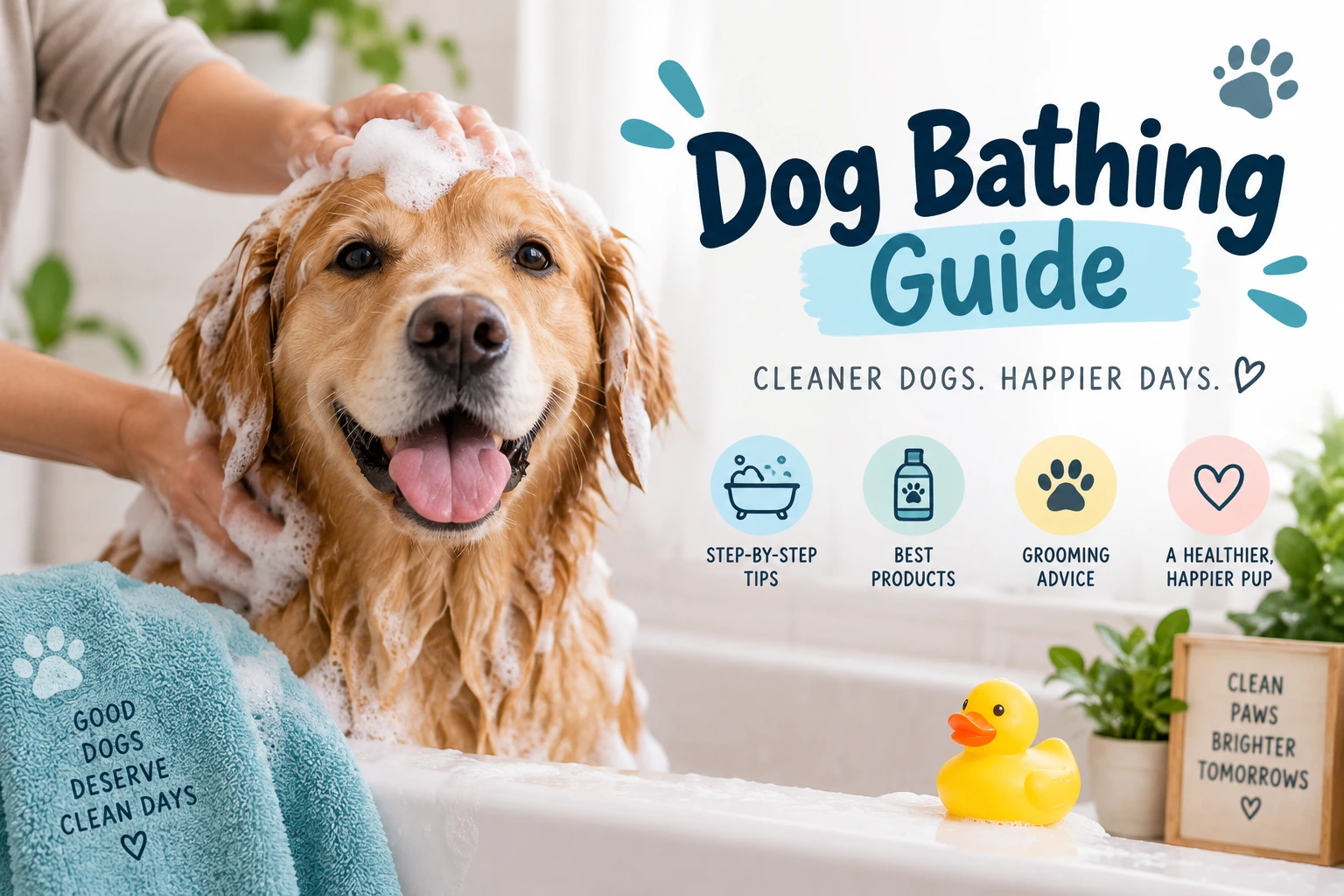
Bathing a dog safely starts with good preparation and gentle handling. Brush first. Use lukewarm water and dog shampoo. Keep water away from the eyes and ears. Rinse every trace of shampoo. Then dry the coat well and reward calm behavior.
Safe dog bathing in six steps
- 1. Brush out loose hair and tangles.
- 2. Place your dog on a non-slip surface.
- 3. Wet the coat with lukewarm water.
- 4. Massage in shampoo made for dogs.
- 5. Rinse until no soap remains.
- 6. Towel-dry the coat and keep your dog warm.
Dog bath mistakes to avoid
- ✓ Don’t use hot water or human shampoo.
- ✓ Don’t spray water into the face or ears.
- ✓ Don’t leave shampoo or damp folds behind.
Warm water splashes while wet paws slide across the tub. Your dog looks ready to escape.
That scene makes many home baths harder than needed. Ashraful focuses on simple dog grooming steps that keep bath time calm.
Good preparation protects your dog’s skin, coat, eyes, and ears. A steady routine also builds trust for future baths.
📌 Key Takeaways
- Prep first. Gather every bath item before your dog enters the tub.
- Use dog shampoo. Human shampoo can irritate canine skin.
- Rinse fully. Soap left in the coat can trigger itching.
- Dry carefully. Damp folds and dense coats need extra attention.
How Do You Bathe a Dog Safely at Home?

A safe dog bath follows a simple order. Prepare the room before bringing your dog inside. Brush the coat before adding water.
Next, place your dog on a non-slip mat. Wet the body with lukewarm water. Keep the spray below the head.
Massage dog shampoo through the coat with gentle hands. Don’t scrub sore skin. Use a damp cloth around the face.
Rinse until the water looks clear. Then check thick fur for hidden soap. Leftover shampoo can irritate sensitive skin.
Finish with towels and calm praise. Keep your dog warm until fully dry. The American Kennel Club dog bathing guide offers more home bath guidance.
🔢 Step-by-Step: A Calm Home Dog Bath
- 1. Brush first. Remove loose fur, dirt, and easy tangles.
- 2. Set secure footing. Place a non-slip mat inside the tub.
- 3. Wet the body. Start near the shoulders and move backward.
- 4. Add dog shampoo. Massage gently through the coat and skin.
- 5. Clean the face. Use a damp cloth instead of direct spray.
- 6. Rinse well. Keep rinsing until all shampoo disappears.
- ✓ Dry and reward. Blot the coat and praise calm behavior.
You might worry that more shampoo means cleaner fur. Extra shampoo only makes rinsing harder.
Here’s why that matters. A complete rinse matters more than a thick layer of foam.
What Supplies Do You Need Before Bath Time?
Gather everything before your dog enters the bathing area. Leaving mid-bath creates stress and gives escape artists an opening.
Start with dog shampoo, two absorbent towels, and a non-slip mat. Add a brush suited to your dog’s coat.
A handheld sprayer makes rinsing easier. A plastic cup works too. Keep treats nearby for calm rewards.
Long coats need a comb after towel drying. Dense coats need extra towels. Puppies need gentle products made for young dogs.
If shampoo choice feels confusing, compare formulas before bath day. Go Pet Zone covers Earthbath pet shampoo in more detail.
- Dog shampoo: Pick a formula made for canine skin.
- Two towels: One absorbs water, while the second finishes drying.
- Non-slip mat: Secure footing helps nervous dogs stay calmer.
- Brush or comb: Match the tool to your dog’s coat.
- Cup or sprayer: Control water without blasting sensitive areas.
- Treats: Reward calm behavior throughout the bath.
Puppies need their own gentle bath plan. See these puppy shampoo options before choosing a formula.
Recommended Product
Wahl USA Dry Skin & Itch Relief Pet Shampoo for Dogs – Oatmeal Formula with Coconut Lime Verbena Scent & Pet Friendly Formula, 24 Oz – Model 820004A
★★★★☆ 4.6 out of 5 stars on Amazon
This dog shampoo suits routine baths and dry, itchy coats.
As an Amazon Associate, we earn from qualifying purchases.
Now your supplies are ready. The next choice is how often bathing makes sense.
How Often Should You Bathe Your Dog?
Bath frequency depends on coat type, skin health, and daily activity. No single schedule fits every healthy dog.
Many pet dogs need baths only when dirty or smelly. Outdoor dogs often need washing more often.
Dogs with skin problems need a vet-approved schedule. Medicated shampoo can require exact timing and contact periods.
Over-bathing can dry the skin and coat. Waiting too long can leave dirt, odor, and debris behind.
The ASPCA dog grooming guide gives a useful general starting point. Adjust that schedule for your dog’s needs.
Use your dog’s coat and lifestyle to guide bath timing.
| Dog situation | What to watch | Bath approach |
|---|---|---|
| Healthy indoor dog | Odor, dirt, greasy coat | Bathe when the coat needs cleaning |
| Active outdoor dog | Mud, dust, strong odor | Wash after dirty outings when needed |
| Sensitive skin | Redness, flakes, itching | Follow your veterinarian’s plan |
Skin changes matter more than a fixed calendar date.
You might think weekly baths always keep dogs healthier. Frequent shampooing can dry some healthy coats.
So what does that mean? Watch your dog’s coat instead of chasing one rigid schedule.
What Water Temperature and Shampoo Should You Use?
Use lukewarm water that feels comfortable against your inner wrist. Hot water can irritate skin and increase stress.
Cold water can also make bath time unpleasant. Keep the room warm during cooler weather.
Choose shampoo made for dogs. Human shampoo targets human skin and can disturb canine skin balance.
Pick a plain gentle formula for routine cleaning. Ask your vet about persistent itching, sores, or infections.
Medicated shampoo serves a different purpose. Follow its label and your vet’s directions closely.
Human products are a common bath mistake. Dog-specific shampoo remains the safer routine choice.
⚠️ Warning
Stop home treatment for open sores, severe redness, or strong skin odor. Call your veterinarian instead.
Next comes the most delicate part. The face and ears need a gentler method.
How Do You Protect Your Dog’s Eyes and Ears?
Keep direct spray away from your dog’s eyes, ears, and nose. These areas need slower and gentler cleaning.
Use a damp washcloth for the face. Wipe dirt away without putting shampoo near the eyes.
Don’t push cotton deep into the ear canal. Large cotton balls can block splashes during bathing.
Remove every cotton ball when the bath ends. Then dry the outer ear with a towel.
Dogs with floppy ears need extra drying around the ear opening. Trapped moisture can irritate sensitive ears.
The ASPCA also advises controlled water flow during rinsing. That reduces unwanted water around the head.
You might think spraying the face saves time. It often creates fear and makes future baths harder.
Here’s why that matters. Gentle face cleaning helps your dog stay calm during later baths.
How Do You Dry a Dog After a Bath?
Start drying before your dog leaves the tub. Gently squeeze water from long fur with your hands.
Next, press towels against the coat. Avoid rough rubbing on long or curly hair.
Dense coats need extra care near the skin. Check the belly, armpits, paws, and skin folds.
A dryer can help with thick coats. Use cool or low warmth and gentle airflow.
Stop if the dryer scares your dog. Towels and a warm room work for many coats.
Always dry your dog before using electric grooming tools. Wet coats and clippers create avoidable problems.
Go Pet Zone explains why clippers and wet dog hair don’t mix. Finish drying before any trim.
You might think slightly damp fur will finish drying safely anywhere. Thick undercoats can hold moisture for hours.
That hidden dampness leads to the next challenge. Nervous dogs often dislike the drying stage most.
What If Your Dog Hates Baths?
Fearful dogs need gradual training instead of force. Start before the day your dog needs washing.
Let your dog enter the dry tub first. Reward calm standing with small, high-value treats.
Next, add short exposure to running water. Keep the spray away from your dog at first.
A non-slip mat often changes the whole experience. Secure feet help frightened dogs feel less trapped.
Keep early sessions short and calm. Stop before fear turns into panic or unsafe struggling.
The RSPCA grooming guidance supports patient, reward-based handling. Never punish fear during grooming.
You might be thinking treats will reward bad behavior. Reward calm moments instead of struggling.
Here’s why that works. Your dog learns that relaxed behavior brings predictable good results.
What Most People Get Wrong About Dog Bathing
Dog bathing myths usually involve frequency, shampoo, and water temperature. Each mistake can turn a simple bath into skin trouble.
The first myth says more baths always mean a cleaner dog. Healthy coats don’t need constant shampooing.
The second myth says human shampoo works the same way. Dog skin has different needs and deserves dog-specific products.
The third myth says hot water cleans better. Lukewarm water cleans without adding needless heat or stress.
- Myth: Dogs need weekly baths. Fact: Bath needs vary by dog.
- Myth: Human shampoo is fine. Fact: Dog shampoo fits canine skin better.
- Myth: Hotter water cleans best. Fact: Lukewarm water is safer.
Many bath problems begin with one of these beliefs. Fixing them makes every later step easier.
When Should You Call a Vet or Professional Groomer?
Stop home bathing when your dog has painful skin, severe mats, or open wounds. Those problems need skilled care.
Call your vet for lasting redness, strong odor, sores, or constant scratching. Skin disease can look like simple dirt.
Ear discharge, swelling, or strong ear odor also needs veterinary attention. Don’t pour home remedies into the ear.
A professional groomer can help with dense mats or difficult coat care. Tell them about any skin concerns first.
Aggressive fear also deserves expert support. Forcing a terrified dog increases bite risk and future grooming stress.
Once the coat is clean and dry, some dogs need trimming. This at-home dog clipper guide covers safer tool choices.
You might worry that asking for help means home grooming failed. It means you recognized a problem early.
That choice protects both you and your dog. Safe grooming always matters more than finishing alone.
What Should You Remember Before Your Dog’s Next Bath
Prepare first, use dog-safe products, rinse well, and dry the coat fully.
Keep each bath calm so your dog builds better habits over time.
Good bath routines protect skin while making home grooming easier.
Do this now: Place a non-slip mat beside your dog’s bath supplies.
Frequently Asked Questions
How often should you bathe your dog?
Bath timing depends on coat, skin, and lifestyle. Healthy indoor dogs often need fewer baths than active outdoor dogs. Bathe when dirt, odor, or coat needs justify it. Ask your veterinarian for a set schedule when skin disease needs medicated shampoo.
Can I use human shampoo on my dog?
Don’t use human shampoo for routine dog baths. Human products target different skin needs and can dry canine skin. Use shampoo made for dogs instead. Choose a vet-approved formula when your dog has allergies, infections, sores, or other skin problems.
What shampoo should I use on my dog?
Choose a mild shampoo made for dogs and your dog’s coat needs. Sensitive dogs often need simple formulas without harsh scents. Medicated shampoos treat specific skin problems and need veterinary guidance. Puppies should use products labeled for their age and species.
Why does my dog hate baths?
Dogs can dislike baths because tubs feel slippery, noisy, strange, or restrictive. Past bad experiences can also create fear. Add secure footing and use calm rewards. Introduce the tub and water in short stages before attempting a full bath.
Is dish soap safe for homemade dog shampoo?
Dish soap isn’t a good routine dog shampoo. Strong grease-cutting formulas can dry skin and remove protective oils. A dog-specific shampoo is the better regular choice. Ask your veterinarian before using homemade mixtures on sensitive or damaged skin.
Does oatmeal help itchy skin in dogs?
Oatmeal appears in many dog shampoos made for dry or itchy skin. It can soothe mild dryness during routine grooming. It won’t diagnose or cure infections, parasites, or allergies. See your veterinarian when itching persists or skin becomes red, sore, or smelly.
How often should you bathe a puppy?
Bathe a puppy when the coat needs cleaning instead of following a rigid schedule. Keep baths short, warm, and calm. Use a puppy-safe shampoo and secure footing. Frequent gentle handling helps young dogs learn that grooming can feel safe and predictable.