
Quick Answer
The biggest dog haircut mistakes are shaving a double-coated dog unnecessarily, cutting tight mats with scissors, using unsuitable or hot clippers, trimming near moving eyes or ears, and forcing an anxious dog to stay still. Check the coat and skin before trimming; leave severe mats, sensitive areas, and unsafe handling to a trained groomer or veterinarian.
A dog haircut should make the coat more comfortable and manageable—not leave sore skin or a frightened pet. Unfortunately, a trim that looks straightforward can become risky when the coat type, equipment, or dog’s behavior is overlooked.
These 12 mistakes explain what can go wrong, how to prevent it, and when to stop trying to fix the problem yourself.
Which Dog Haircut Mistakes Are Most Dangerous?
The greatest immediate risks are cuts, burns, and painful pulling on skin hidden beneath mats. An unsuitable shave can also compromise the protective function of some coats.
| Mistake | Main concern | Safer choice |
|---|---|---|
| Scissors under a tight mat | Skin may be cut | Professional mat removal |
| Hot or poorly maintained clipper blade | Irritation or clipper burn | Correct equipment and frequent blade checks |
| Shaving a healthy double coat | Reduced coat protection and possible regrowth changes | Brush and remove loose undercoat |
| Trimming a struggling dog | Sudden movement and accidental injury | Stop, calm the dog, or seek skilled help |
The safest decision is not always to shorten more hair. First identify what kind of coat and grooming problem you are dealing with.
12 Common Dog Haircut Mistakes and How to Avoid Them
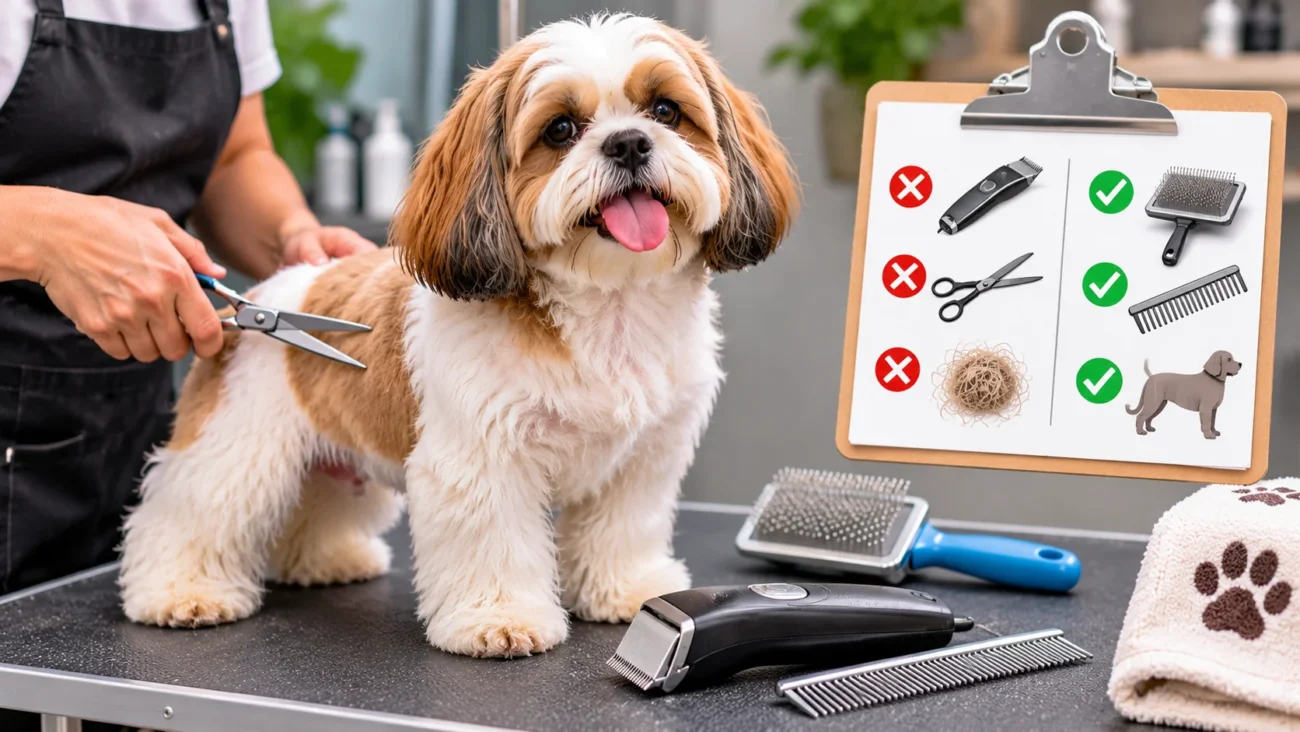
1. Shaving a Double-Coated Dog Just to Keep It Cool
Many double-coated dogs, including Huskies and Golden Retrievers, have a soft undercoat beneath longer outer hairs. The coat helps provide insulation and protection; shaving it is not a reliable way to make a dog cooler.
Better approach: Brush out shed undercoat, maintain airflow and shade, provide water, and use appropriate heat-safety precautions. Exceptions can include severe matting or veterinary treatment, where a professional may recommend clipping. The American Kennel Club’s guidance on shaving dogs explains the coat-type distinction.
2. Cutting Tight Mats with Scissors
Severe mats can pull skin into their folds, so what looks like a lump of hair may conceal skin immediately underneath. Sliding scissors under that lump can cause an accidental cut.
Better approach: Gently separate only loose, comfortable tangles. If a mat is tight to the skin, extensive, or painful, have a trained groomer or veterinarian assess it. Do not tug or cut blindly. See PetMD’s matting guidance for when professional removal is appropriate.
3. Starting a Haircut Without Checking the Skin
Hair can conceal sores, redness, lumps, parasites, or irritated patches. Running a clipper over an unseen problem may worsen it.
Better approach: Part the fur and inspect the areas to be groomed before using tools. If the skin looks inflamed, wounded, swollen, or painful, postpone clipping and ask your veterinarian about the finding.
4. Using Human Hair Clippers or the Wrong Blade
Human clippers are not automatically suitable for canine coat density, and blades or attachments that do not match the coat may snag, pull, or leave an unexpectedly short cut.
Better approach: Use purpose-built dog grooming equipment suited to the dog’s coat, follow the manufacturer’s blade instructions, and ask a groomer to demonstrate safe handling before attempting clipping at home. Equipment alone does not replace training.
5. Letting Clipper Blades Get Too Hot
Clipper blades can warm during prolonged use. A blade that feels acceptable at first may become uncomfortable against sensitive skin.
Better approach: Stop frequently to check blade temperature and clean or change blades according to the tool’s instructions. Never continue if the blade feels hot or the dog reacts as if it hurts. VCA Animal Hospitals notes that maintained grooming equipment helps prevent clipper burns and cuts.
6. Trimming Too Close Around Eyes, Ears, Paws, or Skin Folds
These areas have delicate structures, moving skin, and awkward angles. Sudden head or paw movement makes precision work especially risky.
Better approach: Leave close facial, ear-edge, sanitary-area, and paw-pad trimming to someone trained to handle those regions safely. If hair obstructs vision or movement, arrange a professional trim rather than rushing with sharp scissors.
7. Clipping a Dirty, Tangled Coat Without Preparation
Loose debris and knots can interfere with even clipping. A dense mat is not the same as ordinary loose hair, and running clippers over it can tug at the skin.
Better approach: Inspect, brush, and comb what can be handled gently before deciding whether the coat is ready for a haircut. If bathing is appropriate, use dog-safe products and dry the coat thoroughly. Our dog bathing guide explains a gentle cleaning and drying routine. Severe matting should be assessed before bathing or clipping.
8. Cutting the Coat Much Shorter Than Necessary
A very short cut may expose skin that was previously shaded by fur, create friction in sensitive areas, or be unsuitable for a particular coat type.
Better approach: Agree on a practical coat length based on breed, coat condition, skin health, and maintenance needs. Do not assume the shortest haircut is the cleanest or easiest option.
9. Forcing a Frightened or Restless Dog to Stay Still
A dog that repeatedly pulls away, stiffens, growls, or panics is not in a safe position for a close haircut. Restraint can intensify fear and increase the chance of abrupt movement.
Better approach: Build tolerance gradually with short, positive grooming practice sessions. Stop if handling becomes unsafe. A groomer experienced with fearful dogs or a veterinarian can advise on an appropriate plan.
10. Rushing or Working on a Slippery Surface
Hurrying increases the chance of uneven clipping, missed skin problems, or accidental injury. Slipping adds another hazard, especially for older or nervous dogs.
Better approach: Choose a stable non-slip area, keep supplies within reach, and work only while the dog remains comfortable. Separate grooming into shorter sessions when possible. Never leave a dog unattended on an elevated grooming surface.
11. Ignoring Irritation After the Haircut
Redness, persistent scratching, repeated licking, or tenderness after a haircut may indicate irritation or injury rather than normal adjustment.
Better approach: Stop further trimming and inspect the skin without rubbing it. Contact a veterinarian for broken skin, persistent discomfort, swelling, discharge, or other concerning symptoms. Do not apply human medicated creams unless a veterinarian directs you.
12. Skipping Coat Maintenance Between Haircuts
Even a good haircut cannot prevent future mats if a coat that needs regular brushing is neglected. Tangles often form where collars rub, behind ears, under legs, and around moving joints.
Better approach: Choose brushing and combing frequency based on coat type and how quickly tangles form. Check friction areas regularly and arrange professional grooming before mats become tight or painful.
Warning
Never slide scissors between a tight mat and the skin, or continue clipping when a dog struggles or shows pain. Stop and seek professional help rather than trying to finish the haircut.
How Do You Know If Your Dog Actually Needs a Haircut?
Not every dog needs a full-body haircut. The answer depends on coat type, matting, hygiene needs, and whether the coat grows continuously or primarily sheds.
- Curly or continuously growing coats: Often benefit from regular professional trimming to keep hair manageable and reduce matting.
- Healthy double coats: Usually benefit more from brushing, undercoat removal, and selective tidying than from a full shave.
- Short, smooth coats: Typically need routine cleaning and brushing rather than haircuts.
- Severely matted coats: May require professional clipping even when shaving would otherwise be undesirable.
Breed labels are useful starting points, but an individual dog’s coat condition matters more than a one-size-fits-all haircut schedule.
What Should You Do Before Any At-Home Trim?
For minor maintenance, preparation is more useful than attempting a complicated style. Follow this short decision process:
- Identify the coat: Check whether it is double-coated, curly, silky, wiry, or short and smooth.
- Inspect the skin: Look for redness, sores, swelling, or painful areas.
- Check for mats: If tangles are tight to the skin, do not cut them out yourself.
- Assess the dog’s behavior: Proceed only if the dog tolerates calm handling.
- Limit the task: If you lack training, avoid sharp tools near delicate body parts and schedule a groomer for the actual haircut.
- Stop at any warning sign: Pain, fear, excessive blade heat, or unexpected skin changes mean the session should end.
Practical Tip
A metal grooming comb can help check whether a brushed coat is truly free of easy tangles. If the comb catches painfully or cannot move through a section without force, stop rather than dragging it through the fur.
What If You Already Made a Dog Haircut Mistake?
Your next step depends on whether the problem is cosmetic or whether the dog’s skin and comfort are affected.
- Uneven but comfortable haircut: Do not keep cutting simply to make every patch match. Allow regrowth or ask a groomer to tidy it safely.
- Suspected clipper irritation: Stop grooming, keep the area clean without harsh products, and seek veterinary advice if discomfort persists or the skin looks damaged.
- Accidental cut: Stop immediately. Apply gentle pressure with clean gauze if bleeding; obtain veterinary care for deep, gaping, persistent-bleeding, or sensitive-area wounds.
- Dog is panicking: End the session and arrange a calmer, professionally supported grooming approach.
- Unexpected lump, sore, or severe matting: Do not clip over it; ask the appropriate professional to evaluate it.
Never use a second haircut as a quick fix for skin injury. A cosmetic correction can wait; pain and wounds cannot.
When Should You Choose a Groomer or Veterinarian?
Choose a professional groomer when the task requires skilled clipping, difficult coat handling, close trimming around sensitive areas, or removal of significant mats in an otherwise healthy dog.
Choose a veterinarian when you see bleeding, open sores, swelling, severe pain, signs of infection, or skin disease beneath the coat. A veterinarian may also need to help plan grooming for dogs with medical or severe behavioral difficulties. VCA’s dog coat-care guidance recommends veterinary assessment when matting has caused skin irritation.
Related Product: Dog Grooming Comb
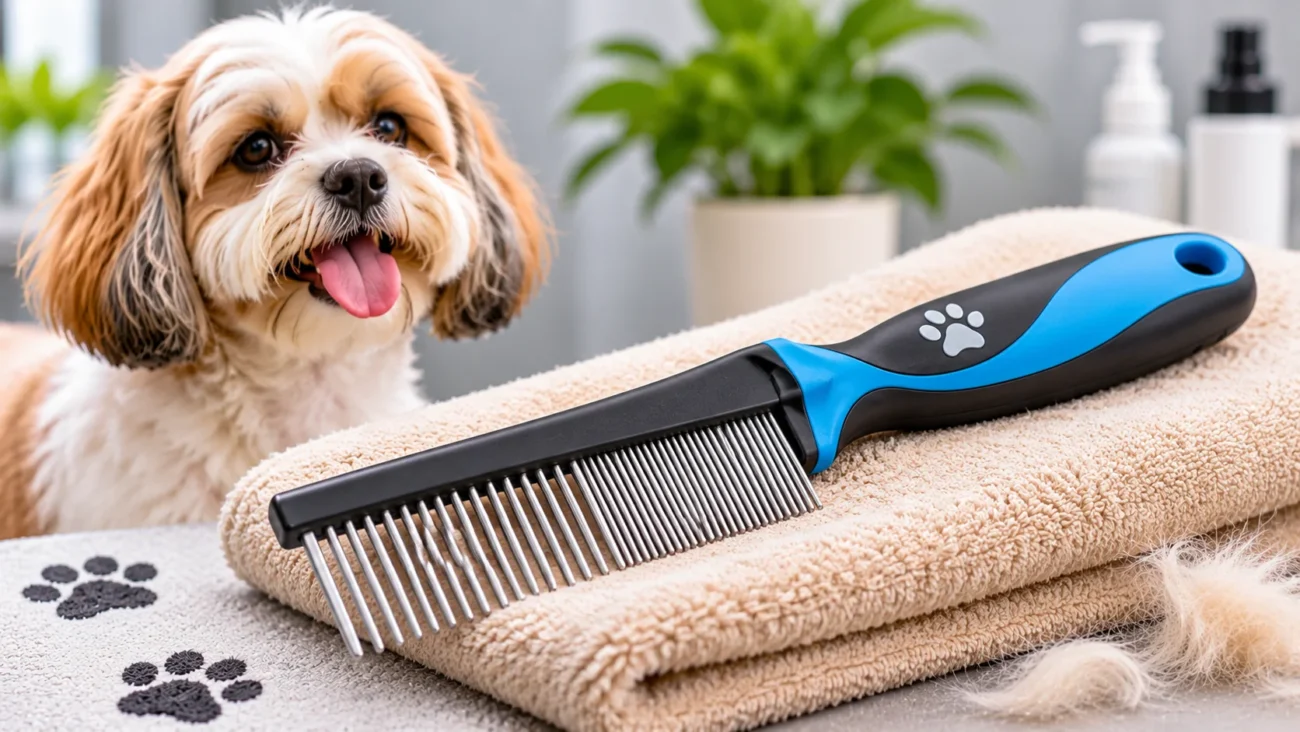
Stainless Steel Dog Grooming Comb
A suitable comb helps you check for manageable tangles between appointments. Choose one appropriate for your dog’s coat and use gentle pressure; it is not a tool for forcibly removing tight, painful mats.
As an Amazon Associate, we earn from qualifying purchases.
Frequently Asked Questions
Can a bad haircut hurt a dog?
Yes. Improper grooming can cause cuts, clipper burns, pulling pain, or skin irritation. The risk increases around matted hair, thin skin, and moving body parts. Stop if your dog shows pain or distress.
Will dog hair grow back after being shaved too short?
Hair often regrows, but the timing and appearance vary with coat type, health, and individual growth cycles. Some double-coated dogs can experience abnormal or delayed regrowth. Seek veterinary advice if regrowth seems unusual or the skin changes.
Can I cut my dog’s hair with regular scissors?
Ordinary sharp scissors are risky near skin and sensitive areas. Untrained owners should not use them to remove mats or trim near eyes, ears, and skin folds. Ask a groomer to demonstrate appropriate techniques and tools.
Is it better to bathe a dog before or after a haircut?
It depends on coat condition and the grooming plan. Many routine haircuts involve cleaning and thoroughly drying the coat first, but tight mats need assessment before getting wet or attempting removal. Follow your groomer’s recommendation.
Why is my dog itchy after a haircut?
Possible reasons include clipper irritation, friction, or an existing skin issue that became more noticeable after clipping. Persistent itching, redness, sores, swelling, or repeated licking warrants veterinary evaluation.
How often should a dog get a haircut?
There is no universal schedule. Dogs with continuously growing coats may need regular trims, while many double-coated and short-haired dogs do not need routine full-body haircuts. Base appointments on coat condition, comfort, and professional guidance.
Final Takeaway
The safest dog haircut starts with coat identification, a skin check, and a realistic assessment of what you can handle. Avoid unnecessary shaving, never cut hidden mats blindly, and stop when your dog is uncomfortable. Good grooming protects the dog first; the finished style comes second.


