
Quick Answer
A natural dog haircut is a grooming style that preserves a dog’s original coat texture, body shape, and breed-specific appearance. Instead of dramatically shortening the fur, groomers remove excess hair, tidy sensitive areas, and maintain the coat’s natural outline. Following appropriate coat-specific grooming practices helps protect the skin and maintain a healthy appearance.
Key features of a natural dog haircut:
- Natural shape: Maintains the dog’s original silhouette without excessive sculpting.
- Minimal trimming: Removes only unnecessary or untidy hair.
- Breed-specific length: Preserves an appropriate length for the dog’s coat type.
- Clean edges: Tidies the paws, face, and sanitary areas when necessary.
- Regular maintenance: Requires consistent brushing and occasional professional grooming.
Best grooming tip:
- Ask your groomer to preserve your dog’s natural coat and avoid unnecessary shaving.
A fresh haircut doesn’t have to leave your dog looking completely different. Sometimes, the best grooming style simply makes your dog look like a cleaner, tidier version of itself.
In this guide, I’ll explain how natural dog haircuts work, which breeds suit them, and how to maintain the look between grooming appointments.
What Is a Natural Dog Haircut?
A natural dog haircut is a light grooming style that follows the dog’s existing coat growth and body contours. It prioritizes comfort, cleanliness, and a balanced appearance over dramatic styling.
Unlike a kennel cut or summer shave, a natural trim generally preserves most of the coat. The finished result should look polished without appearing heavily clipped.
What Does a Natural Trim Include?
- Brushing and removing loose hair.
- Lightly trimming uneven or excessive feathering.
- Tidying hair around the paws.
- Maintaining a natural facial outline.
- Cleaning sanitary areas when appropriate.
- Preserving the tail’s original appearance.
The exact grooming process depends on the breed and coat condition. Some dogs need a light scissor trim, while others only need brushing and bathing.
I prefer to think of natural grooming as improving the coat rather than redesigning it. That distinction makes explaining the desired haircut to a groomer much easier.
What Does a Natural Dog Haircut Look Like?
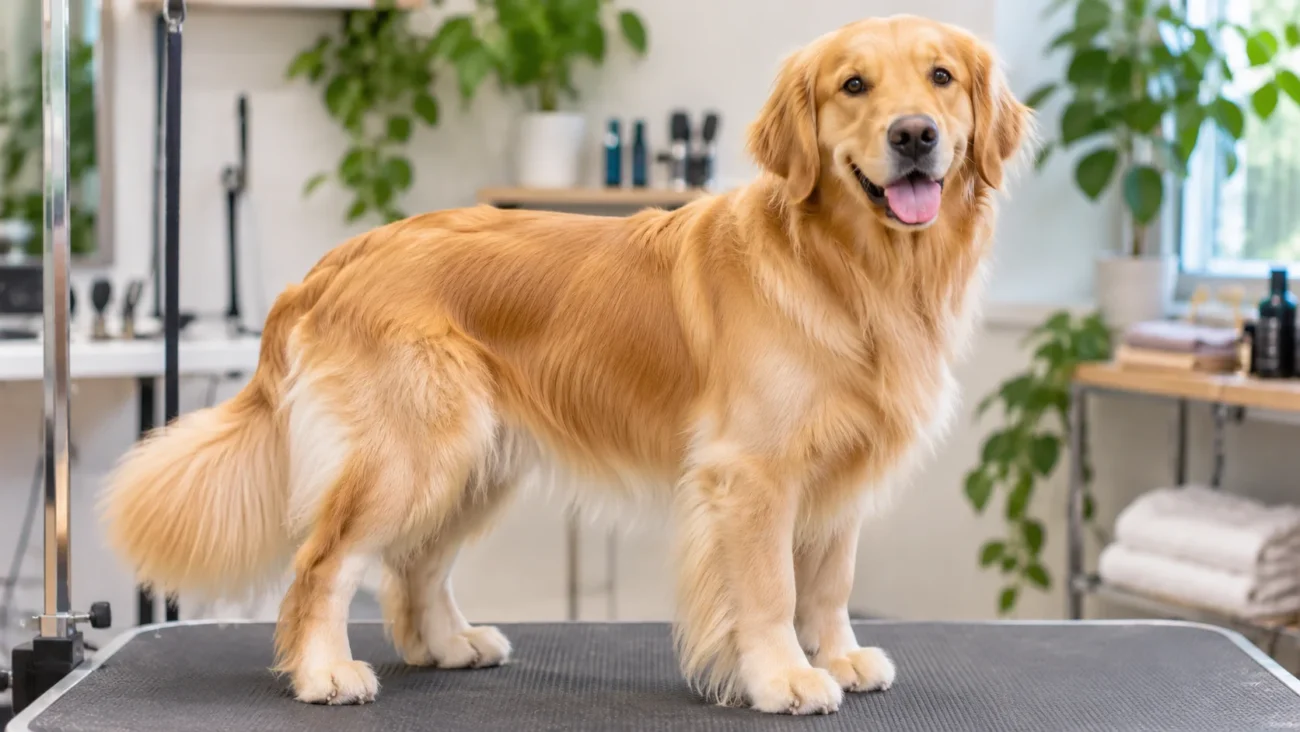
A natural haircut gives dogs a soft, balanced appearance with gently maintained edges. The ears, legs, chest, and tail retain their characteristic shapes.
There shouldn’t be harsh clipper lines or dramatic transitions between different coat lengths. Instead, the fur should blend smoothly into the dog’s existing outline.
Common Characteristics
- Face: Soft features with unobstructed vision.
- Ears: Natural length with minimal shaping.
- Body: Original coat texture and comfortable fullness.
- Legs: Lightly maintained feathering or furnishings.
- Paws: Clean outlines without unnecessary shaving.
- Tail: Natural shape with tidy ends where needed.
For a Golden Retriever, this might mean neatening the feet and feathering. For a Shih Tzu, it could involve maintaining a flowing coat while keeping the face clean.
6 Popular Natural Dog Haircut Styles
Natural grooming isn’t limited to a single haircut. Several variations preserve the dog’s personality while addressing different coat lengths and maintenance needs.
1. Natural Outline Trim
An outline trim removes stray hairs that extend beyond the dog’s normal silhouette. The groomer follows the existing shape rather than creating a new one.
Best for: Golden Retrievers, Shetland Sheepdogs, and Australian Shepherds when appropriate for their coats.
2. Light Scissor Trim
A light scissor trim gently shapes areas that appear uneven or untidy. It works particularly well for dogs with continuously growing hair.
Best for: Maltese, Poodles, Bichons, and suitable Poodle mixes.
3. Natural Feathering Trim
This style preserves the longer hair around the chest, ears, legs, and tail. Groomers remove only excessive or damaged ends where appropriate.
Best for: Spaniels, Setters, and Golden Retrievers.
4. Natural Face Trim
A natural face trim improves visibility and cleanliness without creating an exaggerated round or teddy bear shape. It maintains the dog’s recognizable expression.
Best for: Shih Tzus, Havanese, and Yorkshire Terriers.
5. Natural Shaggy Trim
A shaggy trim retains a relaxed, textured appearance while managing excessive growth. It can suit dogs whose owners enjoy a slightly tousled look.
Best for: Labradoodles, Cockapoos, and other suitable wavy-coated dogs.
6. Bath, Brush, and Tidy
This option focuses on bathing, brushing, drying, and minimal cosmetic trimming. Most of the dog’s coat remains untouched.
Best for: Dogs that don’t require regular full-body haircuts.
How Long Should a Natural Dog Haircut Be?
A natural dog haircut has no universal length. The ideal measurement depends on coat structure, breed characteristics, lifestyle, and your ability to maintain the fur.
For dogs with continuously growing hair, a maintained body length of one to two inches may provide a natural-looking finish. Many double-coated dogs should retain their original body coat instead.
| Coat Type | Suggested Length | Grooming Approach |
|---|---|---|
| Curly hair | 1–2 inches | Soft shaping |
| Wavy hair | 1–3 inches | Light trimming |
| Silky hair | 2 inches or longer | End trimming |
| Double coat | Natural length | Undercoat care |
| Short fur | Original length | Bath and brush |
| Wire coat | Breed-specific | Specialist grooming |
These lengths are illustrative styling options, not universal grooming standards.
Don’t choose a length based entirely on appearance. A longer haircut only works when you can keep the coat comfortable and free of mats.
Which Dog Breeds Are Best for a Natural Haircut?
Natural grooming suits many breeds, especially dogs with distinctive coat textures, feathering, or thick double coats. However, each breed requires a different approach.
Double-Coated Dogs
- Golden Retriever
- Australian Shepherd
- Border Collie
- Shetland Sheepdog
- Pomeranian
- Siberian Husky
These dogs generally benefit from preserving their protective outer coat while managing loose undercoat. Some require little or no cosmetic trimming.
Long-Haired and Curly-Coated Dogs
- Shih Tzu
- Havanese
- Maltese
- Poodle
- Goldendoodle
- Cockapoo
Natural trims can maintain these dogs’ softness and characteristic appearance. Regular haircut appointments remain important for dogs with continuously growing hair.
Mixed-breed dogs may inherit different coat characteristics from their parents. Ask your groomer to examine the actual coat rather than relying entirely on the breed name.
Natural Dog Haircut vs. Other Grooming Styles
The main difference between a natural haircut and other styles is how much the groomer changes the original coat. Natural grooming emphasizes preservation rather than transformation.
| Haircut | Appearance | Maintenance |
|---|---|---|
| Natural cut | Original silhouette | Coat-dependent |
| Puppy cut | Soft, uniform length | Moderate |
| Teddy bear cut | Rounded, plush face | Moderate to high |
| Kennel cut | Short, practical coat | Generally lower |
| Lamb cut | Shorter body, fuller legs | Moderate to high |
A natural trim is an excellent starting point if you enjoy your dog’s existing appearance. A shorter pet haircut may suit some continuously growing coats that require easier maintenance.
Always confirm whether the alternative haircut is appropriate for your dog’s coat type.
What Are the Benefits of a Natural Dog Haircut?
A natural haircut offers several advantages when it matches the dog’s coat and grooming needs. Its biggest benefit is maintaining a recognizable appearance without unnecessary coat removal.
- Preserves coat texture: Helps maintain breed-specific characteristics.
- Supports coat protection: Avoids unnecessary removal of protective hairs.
- Maintains personality: Keeps the dog’s familiar facial expression and shape.
- Allows flexible styling: Combines light maintenance with different coat lengths.
- Improves cleanliness: Tidies areas that collect dirt and debris.
Natural grooming may also reduce the amount of cosmetic clipping required during an appointment. However, thick or long coats can still demand considerable brushing and drying.
Are There Any Disadvantages?
Keeping a fuller coat often creates more work between appointments. Owners should consider the maintenance commitment before choosing this look.
- Longer hair can collect outdoor debris.
- Curly coats may develop hidden tangles.
- Heavy shedding still requires regular coat care.
- Natural styles may need more frequent brushing.
How Often Does a Natural Dog Haircut Need Grooming?
Many long-haired dogs benefit from professional grooming every four to eight weeks. Dogs that naturally shed their coats may need a different schedule based on shedding, cleanliness, and coat condition.
Regular home maintenance remains essential between appointments. According to the ASPCA’s dog grooming guidance, brushing supports coat cleanliness and helps prevent tangles.
Suggested Grooming Schedule
- Daily: Check long or curly hair for developing tangles.
- Several times weekly: Brush medium and long coats as needed.
- Weekly: Inspect the ears, paws, and nails.
- Every 4–8 weeks: Consider professional maintenance for growing hair coats.
- Seasonally: Adjust double-coat care during heavy shedding periods.
Use this schedule as a starting point rather than a fixed rule. Increase grooming frequency whenever your dog’s coat becomes difficult to manage.
Can You Give Your Dog a Natural Haircut at Home?
Basic natural grooming is possible at home, especially brushing, bathing, and coat maintenance. More advanced trimming around the eyes, paws, and sensitive areas requires appropriate training.
Beginners should focus on preventing tangles instead of attempting a complete haircut. Leave difficult trimming and serious mat removal to a professional.
Step-by-Step Home Grooming Routine
- Inspect the coat. Look for knots, skin irritation, excessive shedding, and trapped debris.
- Brush gently. Work through small sections without pulling against the skin.
- Check with a comb. Confirm that the coat is free of hidden tangles.
- Bathe when needed. Choose a dog-safe shampoo suited to the coat and skin.
- Rinse thoroughly. Remove shampoo residue from the entire coat.
- Dry carefully. Use towels and dog-safe drying techniques without excessive heat.
- Finish the coat. Brush and arrange the hair in its natural direction.
Follow the coat preparation recommendations from VCA Animal Hospitals before bathing a tangled dog. Wetting existing knots can make them harder to remove.
When Should You Stop Grooming?
Stop immediately if your dog shows pain, persistent distress, or unusual sensitivity. Skin problems, tightly packed mats, and unexplained hair loss require professional attention.
Never use scissors to cut mats close to the skin. Skin can become trapped inside the tangled hair, increasing the risk of injury.
How to Maintain a Natural Dog Haircut
Consistent brushing is the foundation of maintaining a natural haircut. Small, regular grooming sessions are usually easier than dealing with weeks of accumulated tangles.
Brush According to Coat Type
Choose grooming tools based on hair length, density, and texture. A brush that works well for a curly Poodle may not suit a short-haired Beagle.
- Curly coats: Suitable slicker brush and metal comb.
- Silky coats: Gentle pin brush and finishing comb.
- Double coats: Appropriate slicker brush or undercoat rake.
- Short coats: Soft bristle brush or rubber grooming mitt.
Check Common Matting Areas
Friction encourages tangles in places that owners sometimes overlook. Pay particular attention to areas where collars, harnesses, and body movements affect the coat.
- Behind the ears.
- Under the front legs.
- Around the neck and collar.
- Along the inner thighs.
- Near the tail base.
My preferred maintenance check is simple: after brushing, gently pass a suitable metal comb through the longer coat. If it repeatedly catches, the area needs more attention.
Never force the comb through a knot. Work gently or arrange professional grooming if the tangle is difficult to remove.
What Should You Tell Your Dog Groomer?
Ask your groomer for a natural-looking trim that maintains your dog’s existing coat shape. Explain which areas you want tidied and which features you want preserved.
The phrase natural haircut can mean different things at different salons. A reference photograph can prevent confusion.
Natural Haircut Groomer Instructions
I’d like a natural-looking grooming style that keeps my dog’s original coat shape and texture. Please tidy the paws, face, and necessary sanitary areas while preserving the body coat, ears, and tail wherever appropriate.
Discuss any existing mats before the appointment. A heavily tangled coat may require a different haircut to protect your dog’s comfort.
Common Natural Dog Grooming Mistakes to Avoid
The biggest mistake is treating natural grooming as an excuse to skip coat maintenance. Longer, fuller coats still require regular attention.
- Unnecessary shaving: Avoid removing protective double coats for cosmetic reasons.
- Surface-only brushing: Check deeper layers for hidden tangles.
- Excessive trimming: Preserve the dog’s characteristic outline.
- Bathing tangled fur: Address knots before getting the coat wet.
- Ignoring coat differences: Adapt your tools and routine to the individual dog.
- Forcing grooming: Keep sessions comfortable and take breaks when necessary.
The RSPCA’s grooming recommendations provide useful guidance on choosing appropriate methods for different coat types.
Best Grooming Tools for Natural Dog Haircuts
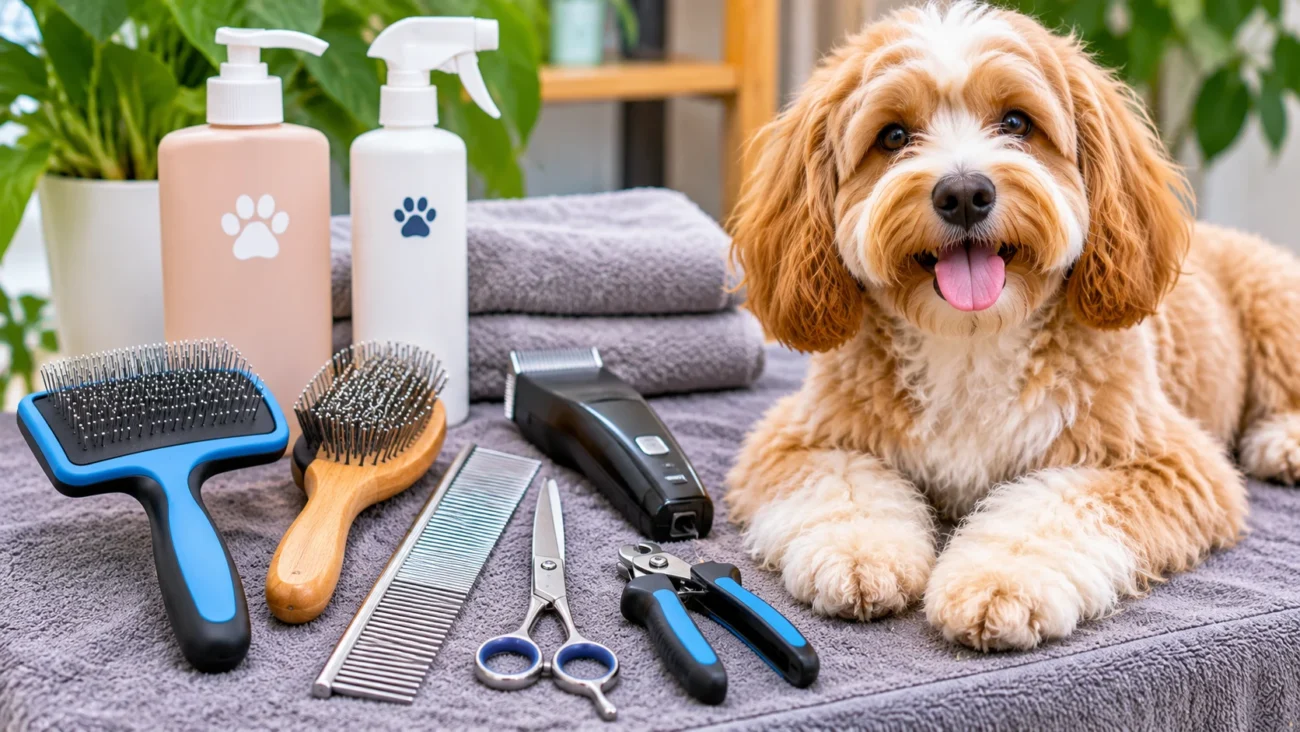
For a natural haircut in 2026, I’d prioritize quality brushing and combing tools before buying clippers. The goal is to maintain healthy, manageable hair without unnecessary cutting.
Disclosure: This section contains affiliate links. As an Amazon Associate, I earn from qualifying purchases. Scores are editorial suitability ratings, not customer-review averages.
🏆 Best for Thick Coats
Chris Christensen Big G Slicker Brush
★★★★½ 4.5/5
Features long stainless steel pins designed for dense coats. I’d choose this for maintaining fuller Poodle and doodle hair when the brush suits the dog’s coat density.
💰 Best Value Comb
Andis 7.5-Inch Steel Comb
★★★★☆ 4/5
A steel grooming comb with coarse and fine tooth spacing for coat finishing. I’d use it after brushing to check longer hair for remaining tangles.
🐾 Best for Routine Brushing
Chris Christensen Mark III Slicker Brush
★★★★½ 4.5/5
Combines a wooden handle with fine steel pins for regular coat maintenance. I’d consider it for suitable medium and longer hair that needs gentle, consistent brushing.
Frequently Asked Questions
Is a natural dog haircut good for all breeds?
Natural grooming can suit most breeds when the methods match their coat characteristics. However, some dogs need regular clipping, while others require only brushing, bathing, or specialist hand stripping. A natural appearance doesn’t mean every dog should receive the same haircut.
Is a natural dog haircut the same as a puppy cut?
No. A puppy cut typically creates a relatively uniform, manageable hair length. A natural haircut preserves the dog’s existing silhouette and may retain different lengths around the body, ears, legs, and tail. Both styles can look soft and attractive.
Can a natural haircut reduce dog shedding?
A natural haircut doesn’t stop normal shedding. However, brushing and appropriate undercoat maintenance can remove loose fur before it spreads around your home. Regular grooming is more useful for shedding management than unnecessarily shortening a double-coated dog’s fur.
Can Goldendoodles have a natural haircut?
Yes, Goldendoodles can have natural haircuts that preserve their wavy or curly appearance. A light trim with soft facial shaping is one option, provided owners maintain consistent brushing. The ideal length depends on coat density, curl pattern, and matting risk.
Is a natural dog haircut easy to maintain?
Maintenance depends on the dog’s coat. Short-haired dogs generally need less brushing than long-haired or curly-coated dogs. A fuller natural trim may require daily coat checks, frequent brushing, and regular professional grooming to prevent uncomfortable tangles.
Is a Natural Dog Haircut Right for Your Dog?
A natural dog haircut is an excellent option for owners who appreciate their dog’s original appearance. It combines practical grooming with a softer, less sculpted finish.
The secret is choosing a maintenance routine that fits your dog’s coat. Preserve protective hair, prevent matting, and avoid unnecessary trimming.
At your next grooming appointment, ask for a natural outline and coat-appropriate maintenance. A comfortable, clean, and healthy dog should always be the priority.


