
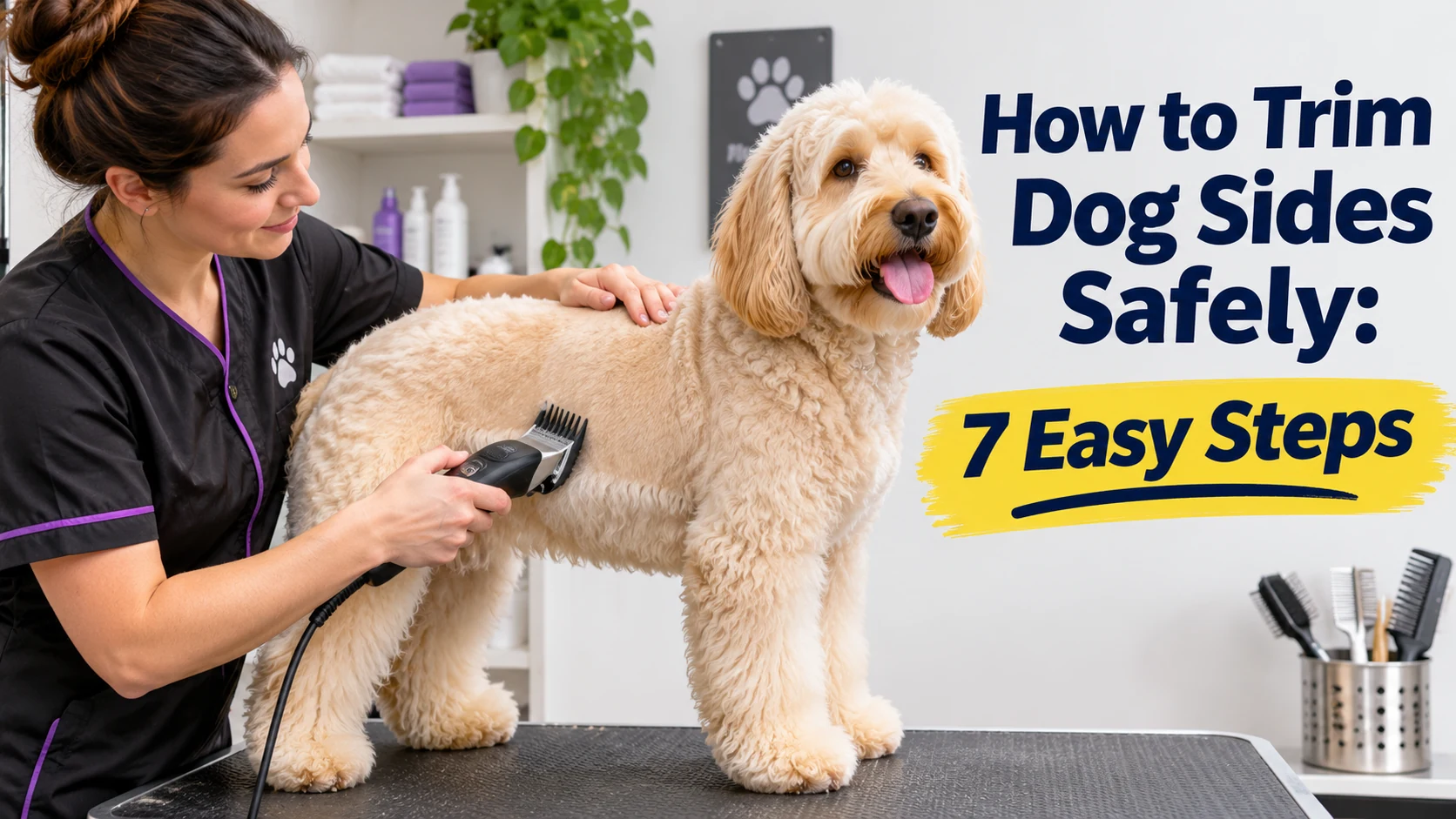
Quick Answer
To trim dog sides safely, brush and detangle the coat, select a long clipper guard, and trim from the shoulder toward the hip following the natural direction of hair growth. Use gentle, overlapping strokes and blend the sides into the back and underside. Avoid loose skin, nipples, armpits, and the groin. Double-coated dogs generally need brushing and light tidying rather than body clipping.
Trimming the hair along your dog’s sides can create a neater appearance and make a continuously growing coat easier to maintain. However, an uneven haircut or overly short trim can leave visible patches and expose sensitive skin.
The key is choosing a technique that suits your dog’s coat and following its natural body contours instead of removing as much hair as possible.
Should You Trim Your Dog’s Side Hair?
You can trim your dog’s side hair if its coat type benefits from regular haircuts. Dogs with continuously growing coats, such as Poodles and Yorkshire Terriers, are generally suitable candidates for routine body trimming.
Other dogs may only need brushing, removal of loose undercoat, or occasional tidying of long feathering.
Side trimming may be useful when:
- The coat has grown longer than your preferred maintenance length.
- Long side hair collects dirt during outdoor activities.
- You want to maintain an existing professional haircut.
- The coat looks uneven around the ribs and hips.
- Long, continuously growing hair becomes difficult to maintain.
Dogs with naturally short coats, such as Boxers and Beagles, rarely need their side hair clipped. Brushing is usually sufficient to maintain these coats.
A professional groomer can help identify the appropriate trimming method if you are uncertain about your dog’s coat type.
Choose the Right Trimming Method for Your Dog’s Coat
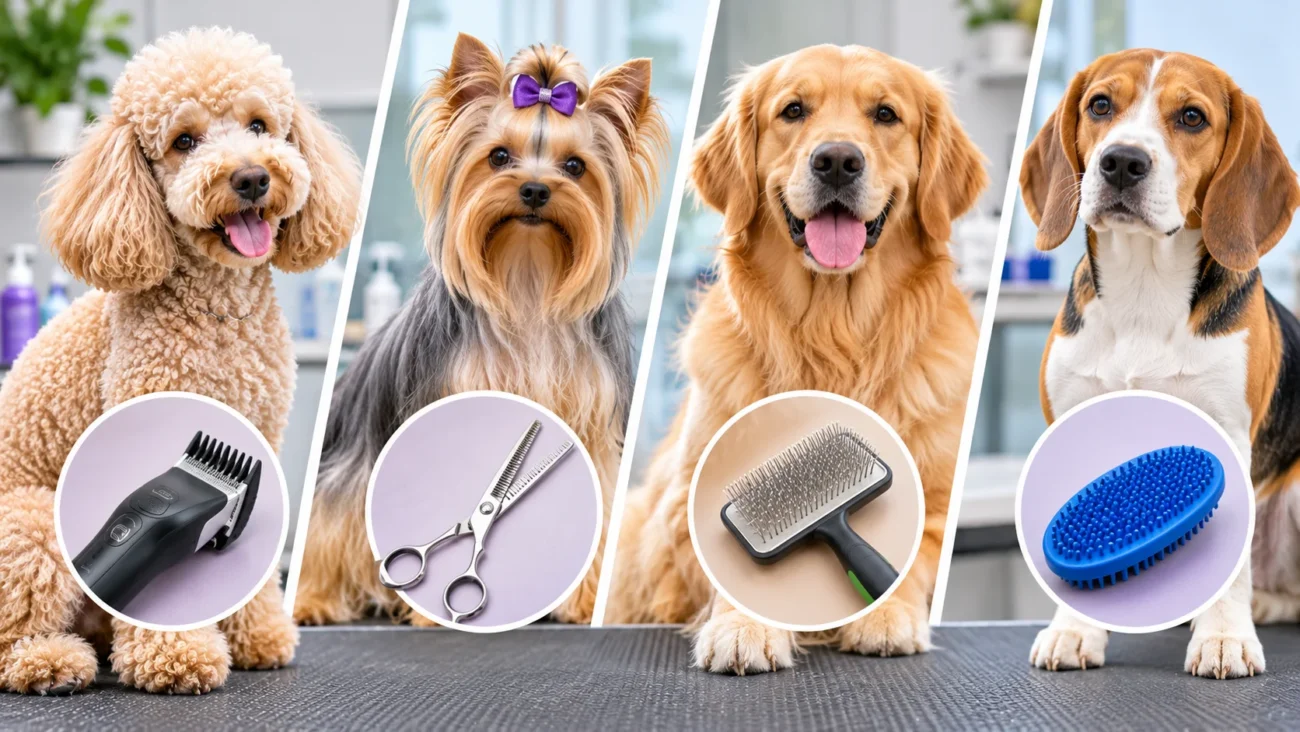
The appropriate method depends more on the coat’s structure than the length of its hair. Cutting every coat with the same clipper setting can produce undesirable results.
| Coat Type | Example Breeds | Suitable Method |
|---|---|---|
| Curly coat | Poodle, Bichon Frise | Guarded clippers |
| Long, silky coat | Yorkshire Terrier, Maltese | Long-guard trimming or professional scissoring |
| Double coat | Husky, Golden Retriever | Brushing and limited tidying |
| Short, smooth coat | Boxer, Beagle | Brushing without clipping |
| Wire coat | Border Terrier, Wire Fox Terrier | Breed-specific professional grooming |
Mixed-breed dogs can inherit different coat characteristics, even when they have similar appearances. Do not choose a clipping method based on breed name alone.
According to the American Kennel Club’s double-coat grooming guidance, shaving these coats should generally be avoided because their natural layers serve important protective functions.
Tools You Need to Trim Dog Sides
A simple grooming setup is usually enough for maintaining the sides of a dog with a suitable coat. Choose equipment that matches the coat’s thickness, texture, and desired finish.
- Electric dog clippers: For removing hair evenly across the body.
- Clipper guide combs: To control the remaining hair length.
- Coat-appropriate brush: To loosen debris and minor tangles.
- Stainless steel grooming comb: To check for hidden knots.
- Blending shears: Optional finishing tools for trained users.
- Non-slip mat: To provide secure footing during grooming.
- Clipper oil and cleaning brush: To maintain the cutting equipment.
- Dog treats: To reward calm, cooperative behavior.
Pet-specific clippers are preferable to ordinary household hair clippers because different canine coat textures may require different cutting equipment.
How to Trim Dog Sides in 7 Easy Steps
Once you have confirmed that your dog’s coat is suitable for trimming, follow these steps to maintain the side hair without unnecessarily removing its protective coat.
Step 1: Prepare a Safe Grooming Area
Choose a quiet, well-lit location with a stable, non-slip surface. For beginners, working at floor level can reduce the risk of falls.
Allow your dog to stand naturally with its weight distributed comfortably across all four paws.
If your dog is unfamiliar with electric clippers, introduce the equipment gradually. Reward relaxed behavior before attempting to trim any hair.
Never leave a dog unattended on an elevated grooming surface.
Step 2: Brush and Inspect the Side Coat
Brush the hair from the shoulders toward the hips, working through manageable sections. Follow with a grooming comb to check whether tangles remain close to the skin.
Inspect both sides for:
- Redness and irritated skin.
- Tight mats or tangled hair.
- Scabs, wounds, or unusual lumps.
- Skin folds and hidden nipples.
- Areas that appear painful when touched.
If the coat needs bathing, address tangles first and make sure the hair is completely dry before clipping.
Do not attempt to push clippers through tightly matted hair or cut mats away with scissors. The skin can become trapped within the tangled coat.
Step 3: Select a Suitable Clipper Guard
Attach a guide comb that leaves enough hair to maintain your dog’s coat protection and desired appearance.
Start with a longer compatible guard, especially if this is your first attempt at grooming the sides. You can shorten the coat later if necessary, but you cannot replace hair that has already been removed.
Make a small test pass on a flat, relatively low-risk section of the upper side. Check the resulting length before continuing.
Guide comb numbering varies between clipper systems, so check the actual cutting length rather than relying on the attachment number alone.
Step 4: Begin Trimming Behind the Shoulder
Start on the broad upper side of the body, behind the shoulder. This region provides a more predictable surface than the armpit or lower flank.
Rest the guarded clipper against the coat without pressing the blade into the skin. Move slowly in the direction the hair naturally lies.
Use controlled passes rather than short, repeated scraping motions.
Stop immediately if the clipper pulls the hair, struggles to move through the coat, or causes your dog discomfort.
Step 5: Work Gradually Toward the Hip
Continue across the rib area toward the rear of the body. Slightly overlap each completed pass to reduce untrimmed strips between sections.
Hair direction can change along the side of the body. Adjust the direction of the clipper to follow the local hair pattern rather than forcing every stroke along a straight horizontal line.
Keep away from the loose fold of skin where the flank meets the hind leg. This area is easier to injure than the broad rib cage.
Repeat the process on the opposite side using the same guard attachment.
Step 6: Blend the Sides Into the Back and Lower Coat
Brush the trimmed hair into its natural position and look for sharp transitions between the sides, back, and remaining longer coat.
For suitable coat types, a longer clipper guard can help soften the upper transition without creating a sharply defined line.
Preserve longer decorative feathering or skirt hair when required by the dog’s haircut. Do not continue clipping into the belly simply to make every area the same length.
Leave difficult transitions near loose skin to a trained groomer if you cannot clearly identify the cutting boundary.
Grooming Tip
Brush the side hair down and allow it to settle before making additional passes. Hair that looks uneven immediately after clipping may fall naturally into place once loose clippings are removed.
Step 7: Check Both Sides and Finish Grooming
Stand back and observe your dog from both sides. Compare the shoulder transitions, rib areas, and hip outlines while your dog is standing naturally.
Use a comb to remove loose cut hair. Correct only obvious inconsistencies rather than repeatedly shortening the entire coat.
Check the skin for irritation, reward your dog, and clean the grooming equipment according to the manufacturer’s instructions.
How Short Should You Trim Dog Side Hair?
There is no universally appropriate side-hair length. The correct length depends on the coat type, skin condition, existing haircut, and the amount of protection the dog needs.
For dogs with continuously growing coats that are suitable for body clipping, these guide lengths may help you understand the available options. They are illustrative grooming choices, not universal safety thresholds.
| Approximate Guard Length | Possible Use |
|---|---|
| 25 mm (1 inch) | Long maintenance trim or conservative starting point |
| 19 mm (3/4 inch) | Moderately shortened fluffy coat |
| 13 mm (1/2 inch) | More compact trim when appropriate for the individual coat |
The finished appearance may differ from the nominal guard length because curly hair springs back and different clipping directions affect how much hair is removed.
When trimming at home, preserve more coat rather than aiming for the shortest possible haircut. Short styles should be discussed with a professional groomer when coat protection is a concern.
Which Areas of the Dog’s Sides Are Most Sensitive?
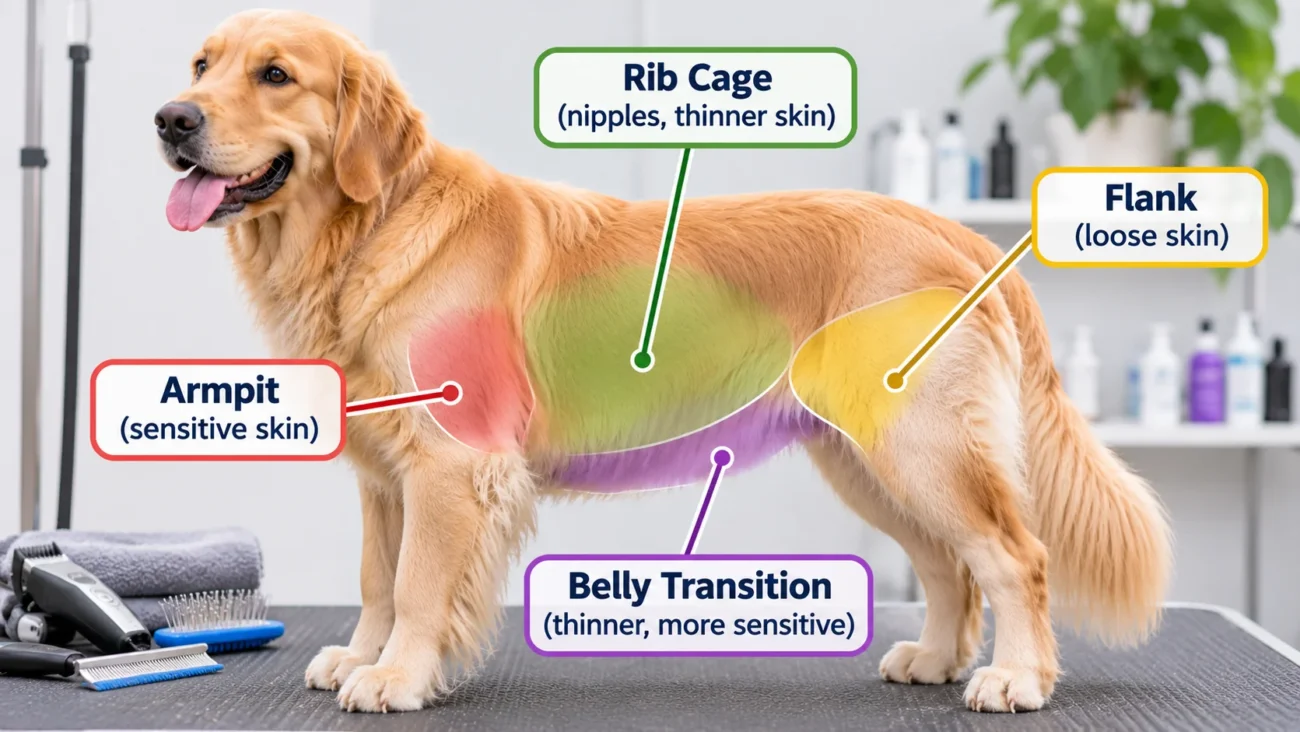
The broad rib area is generally easier to groom than the folds and transitions surrounding it. Beginners should recognize where the comparatively flat body surface ends.
- Behind the front legs: The armpits contain sensitive skin and hidden folds.
- Lower rib cage: Nipples may be concealed beneath thick hair in both male and female dogs.
- Flank: Loose skin near the rear legs can become caught in cutting equipment.
- Belly transition: Hair may be thinner, making the skin more vulnerable to injury.
- Existing skin lesions: Clippers can aggravate damaged or inflamed skin.
If you cannot identify these areas clearly, stop trimming before reaching them. A guide comb reduces some clipping risks but does not make every body region safe to groom.
Warning
Never insert scissors beneath a tight mat or force a clipper blade through tangled hair. Skin can be pulled into the mat and may be difficult to distinguish from the hair. Arrange professional removal if the mat is close to the skin.
VCA Animal Hospitals’ grooming and coat care guidance advises against using scissors to remove mats and recommends veterinary attention when matting has caused skin irritation.
Common Dog Side Trimming Mistakes
Most avoidable problems come from selecting an unsuitable cutting length, overlooking coat direction, or continuing to groom after the dog becomes uncomfortable.
| Mistake | What to Do Instead |
|---|---|
| Starting with a short guard | Begin conservatively and inspect a test pass. |
| Clipping against hair growth | Follow the natural direction of the coat. |
| Trimming tangled hair | Detangle first and refer tight mats to a groomer. |
| Using hot clipper blades | Check blade temperature frequently and stop when hot. |
| Ignoring body contours | Adjust your strokes around natural curves. |
| Forcing an anxious dog to cooperate | Stop the session and seek professional help if needed. |
Frequently check the blade against your wrist to assess heat. If it feels hot, switch off the clippers and allow the equipment to cool before continuing.
How to Fix Uneven Dog Side Hair
Uneven side hair does not always require another full haircut. Identify the reason for the inconsistency before removing more coat.
Visible Clipper Lines
Brush away the loose hair and check whether the lines result from missed strips, changing coat direction, or natural differences in hair texture.
Lightly revisit missed sections using the original guard when appropriate.
One Side Looks Shorter
Compare both sides with your dog standing evenly. A curved posture or differently positioned leg can create an apparent length difference.
If one side is genuinely shorter, avoid automatically cutting the longer side down to the shortest patch. Allowing the short section to grow may be the better option.
A Noticeable Transition Between the Back and Sides
Use a comb to settle the coat and examine where the different lengths meet. A gradual transition generally looks more natural than a sharply defined horizontal boundary.
For appropriate coats, a longer guide comb may soften a small transition. Larger corrective haircuts are better handled by a professional.
How Often Should You Trim Dog Sides?
Many dogs with continuously growing coats receive maintenance haircuts approximately every four to eight weeks. However, this is a flexible grooming interval rather than a rule for every dog.
Consider another trim when:
- The coat has grown beyond its intended style.
- Long side hair becomes difficult to brush and comb.
- Hair length interferes with routine coat maintenance.
- The previous haircut has lost its shape.
Regular brushing between grooming sessions is often more important than frequent clipping. Dogs with dense, long, or curly coats may need daily attention to prevent tangles from developing near the skin.
Double-coated and short-haired dogs generally do not require scheduled side haircuts simply because several weeks have passed.
When Should You Use a Professional Dog Groomer?
Professional grooming is the safer choice when the dog’s coat, behavior, or skin condition makes home trimming difficult to control.
Arrange professional grooming when:
- The coat has extensive or tightly attached mats.
- You are unsure whether the dog’s coat should be clipped.
- The dog repeatedly struggles or attempts to bite.
- The haircut requires detailed blending or breed-specific styling.
- Loose skin or unusual body contours make clipping difficult.
Choose veterinary evaluation instead when you discover painful skin, open wounds, unexplained hair loss, bleeding, or signs of infection.
The AKC’s home grooming recommendations emphasize learning appropriate grooming techniques and using professional assistance for tasks that exceed an owner’s experience.
Frequently Asked Questions
Can I trim my dog’s sides with regular scissors?
Household scissors are not recommended for trimming a dog’s body coat. Guarded pet clippers are generally easier to control on suitable body coats. Scissors should never be used to remove tight mats or cut close to hidden skin.
Should I trim my dog’s sides before or after a bath?
For a routine haircut, trim after the dog has been bathed and completely dried. Remove minor tangles before bathing and check the coat again before clipping. Tight mats may require professional removal before bathing.
Can trimming the sides reduce dog shedding?
Trimming shortens existing hair but does not stop the natural shedding cycle. Regular brushing and appropriate undercoat maintenance are better ways to manage loose hair in shedding breeds.
Do I need to trim the back and sides to the same length?
No. Some haircuts use a consistent body length, while others preserve longer hair along the sides. The appropriate lengths depend on the coat type and the intended grooming style.
Why does my dog have red skin after side trimming?
Redness after clipping may result from heat, friction, excessive pressure, or an existing skin problem. Stop grooming the area. Contact a veterinarian if redness persists, worsens, or is accompanied by pain, swelling, or sores.
Will trimmed side hair grow back normally?
Regrowth depends on the dog’s coat type, health, and hair growth cycle. Continuously growing coats generally resume growing after trimming, but closely clipped double coats may experience delayed or uneven regrowth.
Conclusion
Learning how to trim dog sides safely starts with understanding your dog’s coat and choosing an appropriate cutting length. Prepare the coat thoroughly, use a suitable clipper guard, follow the direction of hair growth, and work gradually from the shoulder toward the hip.
Focus on preserving a natural appearance rather than achieving perfect symmetry or removing excessive hair. Pay particular attention to loose skin and sensitive areas around the legs and lower body.
For double-coated dogs, heavily matted coats, or difficult grooming situations, professional assistance is often a better choice than attempting an extensive haircut at home.


